Maintaining Romance Long Term
Maintaining romance long term is about consistent effort, deep understanding, and shared growth. It involves intentional communication, celebrating small moments, and adapting together through life’s changes. True lasting romance is built on a foundation of friendship and mutual respect.
What Keeps Romance Going Strong
Romance in a long-term relationship is not just about grand gestures. It’s more about the small, everyday things. Think of it like a garden.
It needs regular care to stay beautiful. You can’t just plant it and forget it. You have to water it.
You need to pull out weeds. You also need to give it sunshine.
When relationships start, it’s often easy to feel that intense romance. This is fueled by newness. It’s also fueled by discovery.
You learn about each other. You find new things to love. Over time, life happens.
Jobs, kids, bills, and routines can take over. This can make romance feel like a low priority. But it doesn’t have to disappear.
You can actively work to keep it alive. It takes conscious effort from both people. It’s about choosing your partner again each day.
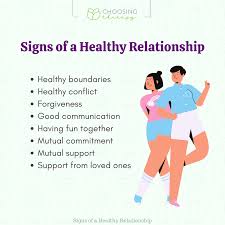
Research shows that couples who report high satisfaction in their relationships often share a few key traits. They tend to communicate openly. They also support each other’s goals.
They find ways to have fun together. They don’t shy away from difficult conversations. They work through problems as a team.
This builds trust. It also deepens their bond. Long-term romance is a skill.
It’s a practice. It’s something you build together over time.
My Own Journey With Lasting Love
I remember a time, maybe five years into my marriage, when things felt… predictable. It wasn’t bad. We were happy.
We were a good team running our household. But that playful spark felt dimmer. I was working late one evening.
My partner, Sarah, was already asleep when I got home. I tiptoed into our bedroom, feeling a little lonely. The house was quiet.
I looked at her sleeping form. A wave of frustration hit me. Was this it?
Was this all our romance would become? Just quiet coexistence?
The next morning, over coffee, I admitted how I felt. I expected some defensiveness. Instead, Sarah nodded.
She felt it too. That was the turning point. We decided to make a change.
It wasn’t a quick fix. We started small. We scheduled a weekly “date night.” It didn’t have to be fancy.
Sometimes it was just going for a walk. Other times, we’d rent a movie and cuddle on the couch. We started talking about more than just chores or kids’ schedules.
We talked about our dreams. We talked about what made us laugh. We made time for just us.
It was awkward at first. We had to relearn how to be playful. But slowly, surely, that old feeling crept back.
It was a different kind of romance. It was deeper. It was richer.
It was built on knowing each other even better.
Spark Keepers: Simple Daily Acts
Morning Hugs: Start the day with a genuine hug. Hold it a little longer than usual.
Listen Actively: When your partner talks, put down your phone. Make eye contact. Truly hear what they’re saying.
Small Surprises: Leave a sweet note. Bring home their favorite snack. A small gesture can mean a lot.
Affectionate Touches: Hold hands. Put a hand on their arm. A simple touch communicates care.
Say “Thank You”: Acknowledge the little things they do. Show you notice and appreciate them.
Building a Foundation of Friendship
Friendship is the bedrock of lasting romance. Think about your best friends. What makes those friendships strong?
It’s likely trust. It’s support. It’s shared interests.
It’s also the ability to be yourself. You can be silly. You can be serious.
Your partner should be your best friend.
When you see your partner as your best friend, you want to spend time with them. You want to hear about their day. You’re interested in their hobbies.
You defend them. You celebrate their wins. You comfort them during losses.
This deep connection makes romance feel natural. It’s not forced. It’s a natural extension of your bond.
Many couples lose this friendship aspect. They start to see each other as roommates. Or as co-parents.
They forget to have fun. They forget to just hang out. Rekindling that friendship is key.
It means making time for shared activities. It means learning new things together. It means supporting each other’s individual passions too.
A healthy relationship has both togetherness and individuality.
The Power of Communication
Communication is often called the key to a good relationship. But what does that really mean? It’s not just talking.
It’s about talking well. It’s also about listening well. Many arguments happen because people don’t feel heard.
They don’t feel understood.
Effective communication in romance involves several things. First, honesty. You need to be able to share your feelings.
Even the difficult ones. Second, vulnerability. This means being open about your fears and your needs.
Third, empathy. Try to see things from your partner’s point of view. Fourth, respect.
Even when you disagree, speak kindly.
Avoid common communication traps. Don’t use “always” or “never.” These words make people defensive. Don’t bring up past mistakes.
Focus on the present issue. Use “I” statements. Say “I feel hurt when.” instead of “You always make me feel.” This focuses on your feelings, not blame.
Communication Pitfalls to Avoid
Mind Reading: Don’t expect your partner to know what you want or need. Say it clearly.
Stonewalling: Shutting down during a discussion. This stops all progress.
Criticism: Attacking your partner’s character instead of the behavior.
Contempt: Showing disrespect through sarcasm or eye-rolling. This is very damaging.
Defensiveness: Blaming your partner or making excuses.
Regular check-ins are also vital. Set aside time, maybe once a week, to just talk. Ask open-ended questions.
“What was the best part of your day?” “Is there anything I can do to support you this week?” This proactive approach can prevent small issues from becoming big problems. It shows you care about your partner’s well-being.
Making Time for Intimacy
Intimacy is more than just sex. It’s about closeness. It’s about connection.
It involves emotional, physical, and mental closeness. In long-term relationships, physical intimacy can change. It might not always be spontaneous.
It might require planning. Some people find this unromantic. But planning can actually enhance intimacy.
When you plan a date night, or a weekend getaway, you’re planning for intimacy. You’re setting aside time to connect. You’re prioritizing each other.
This sends a powerful message: “You are important to me.” This dedicated time allows for deeper conversations. It allows for physical closeness. It allows for shared experiences that strengthen your bond.
Emotional intimacy is also crucial. It means sharing your inner world. Your hopes, your fears, your joys, your struggles.
When you feel safe to be vulnerable with your partner, that’s true intimacy. It’s built on trust and acceptance. Make sure you’re creating space for both kinds of intimacy.
Talk about your desires. Talk about your needs. Be open to exploring new ways to connect.
Ways to Boost Intimacy
Schedule It: Block out time for dates or quiet evenings together.
Talk About It: Discuss what feels good and what you desire.
Explore Together: Try new activities, hobbies, or even new romantic settings.
Show Appreciation: Small acts of kindness build emotional closeness.
Be Present: Put away distractions and focus on each other.
Navigating Challenges Together
No relationship is without its challenges. Life throws curveballs. There will be disagreements.
There might be financial stress. Health issues can arise. Career changes happen.
How couples handle these storms together is critical for long-term romance.
When you face difficulties as a team, it builds resilience. It strengthens your partnership. It’s like building muscle.
Every challenge overcome makes the relationship stronger. The key is to remember you are on the same side. You are not adversaries.
You are partners facing a common problem.
Avoid blaming each other. Focus on finding solutions. Support each other emotionally.
Sometimes, you just need to be there. You don’t always need to fix it. Just offering a listening ear or a comforting presence can be enough.
Seek professional help if needed. A therapist can provide tools. They can help you navigate complex issues.
This is a sign of strength, not weakness.
Teamwork During Tough Times
Unified Front: Approach problems as a united team.
Shared Responsibility: Even if one person is more affected, find ways to share the burden.
Emotional Support: Offer comfort and understanding, even if you don’t fully grasp the situation.
Problem-Solving Focus: Shift from who is to blame to how to move forward.
Professional Help: Don’t hesitate to seek guidance when challenges seem overwhelming.
The Role of Appreciation and Gratitude
It’s easy to take our partners for granted. We get used to them being there. We get used to their habits.
But gratitude is a powerful romance booster. Regularly expressing thanks for both big and small things keeps the appreciation alive.
Think about what you appreciate about your partner. Do you appreciate their sense of humor? Their kindness?
Their hard work? Make sure you tell them. Don’t assume they know.
Saying “thank you” for making dinner or doing laundry might seem small. But these acknowledgments show you see and value their contributions.
Gratitude also shifts your focus. Instead of dwelling on what’s missing, you focus on what’s good. This positive outlook can transform the atmosphere of your relationship.
It makes both partners feel more loved and valued. This, in turn, fuels romance. It creates a positive cycle of affection.
Cultivating Gratitude Daily
Daily Thanks: Each day, name at least one thing you appreciate about your partner.
Acknowledge Efforts: Thank them for specific actions, not just generalities.
Express Feelings: Tell them how their actions make you feel (e.g., “I felt so cared for when you.”).
Note Small Things: Appreciate simple gestures like making coffee or picking up a forgotten item.
Public Praise: Sometimes, a kind word in front of others can be very meaningful.
Keeping the Fun and Playfulness Alive
Fun is not a luxury in a long-term relationship. It’s a necessity. Laughter connects people.
It reduces stress. It keeps things light. When was the last time you just acted silly with your partner?
Or went on an adventure? Or tried something completely new?
Shared fun creates shared memories. These memories become part of your relationship’s story. They are the glue that holds you together.
It doesn’t matter if it’s a big trip or a spontaneous dance party in the living room. The shared joy is what counts.
Consider making “fun” a regular part of your schedule. What did you enjoy doing together when you first met? Can you bring that back?
Or try something new that appeals to both of you. Learning a new skill together can be very bonding. It gives you something new to talk about.
It also creates a sense of shared accomplishment.
Fun Ideas for Couples
Game Nights: Board games, card games, or even video games can be great fun.
Creative Projects: Try painting, pottery, or even a DIY home project together.
Explore Local: Visit a new park, museum, or quirky local spot.
Cooking Class: Learn a new cuisine or dish together.
Outdoor Adventures: Hiking, biking, or a simple picnic can be very refreshing.
Personal Growth and Shared Futures
People change over time. This is natural. Long-term romance involves supporting each other’s personal growth.
It means encouraging your partner to pursue their dreams. It also means growing together.
When individuals in a relationship grow, the relationship itself can become stagnant if they don’t grow together too. This means having shared goals. It means planning for the future.
It involves talking about what you want your life to look like in five, ten, or twenty years.
Discussing your visions for the future helps you stay connected. It ensures you’re heading in a similar direction. It also gives you something exciting to work towards.
Shared goals can be incredibly motivating. They can reignite passion. They can create a sense of purpose in your partnership.
Growing Together and Apart
Support Individual Dreams: Encourage your partner’s passions and goals, even if they differ from yours.
Shared Vision: Talk regularly about your future hopes and plans.
Learn Together: Take classes or workshops that interest both of you.
Adapt to Change: Be flexible as life circumstances and personal interests evolve.
Celebrate Milestones: Acknowledge and celebrate individual and shared achievements.
When Is Romance Considered Normal or Concerning?
In a long-term relationship, the intensity of romance often shifts. What is normal? It’s normal for the fiery passion of the early days to mellow.
It’s normal for romance to look different at different life stages. For example, romance with young children might involve quick hugs and notes left on the counter. Romance in retirement might involve more leisurely dates and travel.
What is concerning? It’s concerning when there’s a complete lack of affection. Or when communication breaks down entirely.
If you rarely talk. Or if you feel like strangers living together. This is a sign something needs attention.
A lack of intimacy, both emotional and physical, can also be a red flag. It suggests a disconnect that needs addressing.
If you feel lonely in your relationship. Or if you constantly feel unappreciated. These are signs that the romance is suffering.
It doesn’t mean the relationship is over. It means it needs care. It’s time to pause.
It’s time to reflect. It’s time to talk to your partner about how you feel.
Simple Checks for Your Romance Health
You can do quick checks on your relationship’s romance health. Ask yourself these questions:
- How often do we laugh together?
- Do we still surprise each other sometimes?
- Do we touch each other affectionately (holding hands, hugs)?
- Are we truly listening to each other?
- Do we make time for just the two of us?
- Do we feel like best friends as well as partners?
- Are we grateful for each other?
If you answer “no” to many of these, don’t panic. It’s a signal. It’s an invitation to make changes.
Start with one small thing. Add one more compliment to your day. Schedule one date night next month.
The goal is progress, not perfection.
Quick Tips to Boost Romance Now
Here are some easy things you can do:
- Compliment Your Partner: Find something you genuinely admire and tell them.
- Physical Touch: Initiate a hug, a kiss, or hold hands.
- Active Listening: When they speak, put away distractions and focus.
- Share a Memory: Reminisce about a happy moment you shared.
- Plan a Small Surprise: It could be making their favorite meal or leaving a sweet note.
- Ask “How Was Your Day?”: And then genuinely listen to the answer.
Frequently Asked Questions about Long-Term Romance
How often should couples have sex to maintain romance?
There’s no magic number for how often couples should have sex. What matters is that both partners feel satisfied and connected. Communication about desires and needs is key.
Some couples have sex daily, others weekly, and some less often. Consistency in intimacy, however you define it, is more important than frequency.
Is it normal for passion to decrease over time?
Yes, it’s very normal for the intense, fiery passion of the early relationship stages to evolve. This doesn’t mean love is gone. It usually transforms into a deeper, more comfortable, and companionate love.
The goal is to maintain connection and intimacy, which can look different than initial infatuation.
How can we keep romance alive when life gets busy?
It requires making intentional choices. Schedule “couple time” even if it’s just 30 minutes a day for a meaningful chat or a shared activity. Prioritize date nights.
Look for small moments to connect, like a text message during the day or a longer hug in the morning. Small, consistent efforts make a big difference.
What if my partner and I have different love languages?
Understanding love languages (Words of Affirmation, Acts of Service, Receiving Gifts, Quality Time, Physical Touch) is incredibly helpful. If your love languages differ, you need to learn to speak your partner’s language. This means making an effort to show love in ways that resonate most with them, even if it’s not your natural style.
Can therapy help with long-term romance issues?
Absolutely. Couples therapy can be very beneficial. A therapist can help you improve communication skills, understand each other better, and navigate complex issues.
It’s a safe space to work through challenges and learn new strategies for maintaining a healthy, romantic connection.
What role does conflict play in long-term romance?
Conflict is inevitable. How you handle it is what matters. Healthy conflict resolution can actually strengthen a relationship.
It shows you can work through disagreements and come out stronger. Avoiding conflict or handling it poorly can erode romance and intimacy over time.
Conclusion: Your Ongoing Romance Story
Maintaining romance long term is an ongoing journey. It’s not a destination you arrive at. It’s about the daily choices.
It’s about nurturing the connection. Remember to be a friend. Communicate openly.
Make time for intimacy and fun. Support each other’s growth. And always, always show appreciation.
Your love story is still being written. Make it a beautiful one.