It’s easy to wonder if what you have is truly good. You might look at other couples and feel a little unsure. “Are we doing this right?” is a common question.
We all want our relationships to be strong and happy. This guide will help you see the bright spots. It will show you what real connection looks like.
You’ll learn what to notice every day.
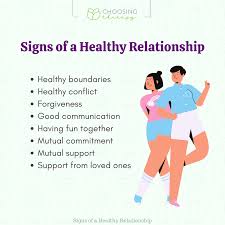
A healthy relationship shows mutual respect, trust, open communication, and shared support. Both partners feel safe, valued, and happy expressing their true selves. They can navigate disagreements constructively and grow together.
What Does a Healthy Relationship Look Like?
Think of a healthy relationship like a garden. It needs care to grow well. It’s not always perfect.
There will be sunny days and some rainy ones. But in a good relationship, both people work to make it bloom. You feel safe and happy most of the time.
It’s about two people choosing each other, every day. They want the best for each other. They build each other up.
They don’t tear each other down. It’s a team effort. You laugh a lot.
You also support each other when things get tough.
You feel like you can be yourself. You don’t have to pretend. Your partner likes you for who you are.
They see your flaws and love you anyway. This is a huge part of what makes it strong.
My Own “Lightbulb” Moment
I remember a time when I was really stressed about a big work project. It was late, and I was tired. My partner, Sarah, didn’t say much at first.
She just brought me a cup of tea. Then, she sat with me for a bit. She didn’t try to fix it.
She just listened. She said, “You’re doing great. I’m here if you need anything.”
That simple act meant so much. It wasn’t a grand gesture. It was just quiet support.
I felt seen and cared for. It reminded me why we work so well together. That feeling of being truly understood is a big sign.
It’s a sign of a solid bond. It’s a sign of genuine connection.
Key Indicators of Relationship Health
Trust: You believe your partner. You don’t doubt their actions or words. They are honest with you.
Respect: You value each other’s thoughts. You listen when they speak. You appreciate their unique qualities.
Communication: You talk openly. You share feelings and needs. You also listen well when they talk.
Support: You cheer each other on. You are there during hard times. You celebrate good times together.
Safety: You feel secure. You can be vulnerable. You don’t fear judgment or anger.
The Foundation of Trust and Respect
Trust is like the invisible glue. It holds everything together. You trust that your partner has your best interests at heart.
You don’t worry they will hurt you on purpose. This trust grows over time. It comes from their actions and honesty.
Respect goes hand-in-hand with trust. It means you value your partner as a person. You respect their opinions.
You respect their boundaries. Even when you disagree, you do so respectfully. You don’t insult or belittle them.
Your partner’s needs matter.
In a healthy relationship, you feel comfortable being yourself. You don’t have to walk on eggshells. Your partner accepts you, even your quirks.
This acceptance fosters deep trust. It makes you feel safe to be open. It allows you to be truly intimate.
Myth vs. Reality: Relationship Beliefs
Myth: Healthy relationships never fight.
Reality: All couples disagree. Healthy couples fight fair. They resolve issues without lasting damage.
Myth: Your partner should know what you need without you saying it.
Reality: Mind-reading is not real. Clear communication is key. Express your needs and listen to theirs.
Myth: True love means sacrificing everything.
Reality: Healthy love is about balance. You support each other while keeping your own identity.
Open and Honest Communication
Talking is vital. But it’s more than just words. It’s about how you talk and listen.
In good relationships, you can share your thoughts and feelings freely. You can talk about the small things and the big things. You feel heard and understood.
Your partner also does the same. They share their world with you. They don’t hide things from you.
When there’s a problem, you discuss it. You work together to find a solution. You don’t let things fester and grow bigger.
Good communication means listening without interrupting. It means trying to see things from their side. It means not getting defensive right away.
It’s a skill that gets better with practice. It makes both people feel valued. It strengthens the bond.
When communication is poor, problems grow. Little issues become big fights. You might feel misunderstood or ignored.
This erodes trust. It makes you pull away. Open talk builds bridges.
It keeps you connected.
Communication Quick-Scan Table
| Good Sign: | Not So Good Sign: |
| You discuss feelings openly. | You avoid talking about problems. |
| You listen without judging. | You interrupt often. |
| You say “I feel.” statements. | You blame with “You always.” statements. |
| You seek to understand. | You only want to win the argument. |
Mutual Support and Encouragement
Life throws curveballs. We all face challenges. A healthy relationship is a team that helps you through them.
Your partner is your biggest fan. They believe in you. They encourage you to chase your dreams.
They are proud of your successes.
When you have a goal, they support you. If you want to learn a new skill, they cheer you on. If you face a setback, they are there to pick you up.
They offer comfort and strength. They remind you of your own power.
This support isn’t just for big moments. It’s in the everyday things too. It’s making your partner coffee.
It’s taking on extra chores when they are swamped. It’s small acts of kindness that show you care. It makes you feel like you’re on the same team.
When you feel supported, you feel more confident. You feel like you can take on anything. This feeling of partnership is powerful.
It makes the relationship a safe harbor. It’s a place where you can always land.
Observational Flow: Support in Action
Scenario: One partner gets a promotion.
Healthy Response: Genuine excitement, planning a celebration, discussing how it impacts their shared life positively.
Scenario: One partner faces a job loss.
Healthy Response: Offering comfort, helping with the job search, managing household tasks, reassuring them of their worth.
Scenario: One partner wants to start a new hobby.
Healthy Response: Asking questions, encouraging them to try it, offering to join if possible, celebrating small progress.
Shared Values and Goals
It’s not about agreeing on everything. Nobody does that. But healthy couples often share some core values.
These might be about family, honesty, or how to treat others. They also tend to have a similar vision for their future.
Knowing what’s important to each other helps. It guides decisions. It helps you work towards common goals.
Maybe you both want to travel more. Or perhaps you want to start a family. Having these shared aims gives your relationship direction.
When your values align, you’re less likely to have big clashes. You understand why the other person acts a certain way. You can build a life together.
You are creating something meaningful. This shared purpose deepens the connection.
It’s like building a house. You need a strong foundation. Shared values and goals are that foundation.
They allow you to build something lasting and strong. They make your partnership more stable.
Stacked Micro-Sections: Future Focus
Financial Vision: Do you both aim for similar savings or spending habits? Are you planning for retirement together?
Family Aspirations: Do you have matching desires regarding having children, or how you want to involve family in your lives?
Lifestyle Choices: Do you both enjoy similar activities or have a shared idea of how you want to live day-to-day?
Personal Growth: Do you support each other’s individual development and learning, seeing it as a shared benefit?
Individual Space and Autonomy
This might sound strange. But healthy relationships also have healthy boundaries. It’s important for each person to have their own space.
You need time to yourself. You need to pursue your own interests.
It’s not about having secrets. It’s about having a life outside the relationship. You have friends.
You have hobbies. You have things you do just for you. This makes you a more interesting person.
It also keeps the relationship fresh.
Your partner respects your need for alone time. They don’t feel threatened by it. You also respect their need for space.
You don’t cling to them. You trust that you will come back together. This independence makes the bond stronger.
It shows you are two whole people. You choose to be together. You are not dependent on each other for your entire happiness.
This balance is very healthy. It prevents resentment from building up. It allows both of you to thrive.
Split Insight Panel: Independence
Label: Personal Time
Note: It’s okay to have separate hobbies and friends. This time makes you both stronger and brings new energy back to the relationship.
Label: Individual Goals
Note: Pursuing personal dreams enriches your life and gives you more to share with your partner.
Constructive Conflict Resolution
Disagreements are normal. They happen in every relationship. What matters is how you handle them.
Healthy couples don’t avoid conflict. They face it head-on. But they do it in a way that doesn’t cause lasting harm.
You learn to fight fair. This means no name-calling. No bringing up past mistakes repeatedly.
You focus on the issue at hand. You try to understand each other’s perspective. You aim for a solution, not just to win.
It’s okay to take a break if things get too heated. You can come back to the discussion later when you are both calmer. The goal is to resolve the conflict.
You want to come out of it feeling closer, not more distant.
This ability to navigate tough times together is a sign of strength. It shows you can overcome obstacles. It builds resilience in the relationship.
It proves your bond can withstand challenges. It’s a sign of deep commitment.
Feeling Valued and Appreciated
Do you feel like your partner notices you? Do they show you they care? This happens through small gestures.
It’s saying “thank you.” It’s noticing when you’ve done something nice. It’s acknowledging your efforts.
When your partner appreciates you, you feel good. You feel seen. You feel like your contributions matter.
This appreciation goes both ways. You also make sure to show your partner you value them. You don’t take them for granted.
This positive reinforcement is important. It boosts morale in the relationship. It makes both people feel good about being together.
It creates a warm, loving atmosphere. It’s a constant reminder of why you fell in love.
Think about when someone sincerely compliments you. It lifts your spirits. In a healthy relationship, this happens often.
It’s a steady stream of positive regard. It makes the relationship a happy place to be.
Contrast Matrix: Appreciation
Normal:
Expressing thanks for daily tasks.
Acknowledging effort, even if results aren’t perfect.
Giving thoughtful compliments.
Concerning:
Taking kindness for granted.
Constant criticism or focus on faults.
Lack of positive feedback or praise.
Shared Joy and Fun
A healthy relationship isn’t all serious talks and problem-solving. It’s also about laughter. It’s about having fun together.
You enjoy each other’s company. You create happy memories.
Do you have inside jokes? Do you laugh until your sides hurt? Do you enjoy doing activities together?
These shared moments of joy are like sunshine. They brighten the whole relationship.
It’s important to make time for fun. Life can get busy. But playfulness keeps the spark alive.
It reminds you why you fell in love in the first place. It adds lightness and energy.
These lighthearted moments build a strong connection. They create a positive history. When you look back, you see a pattern of happiness.
This makes the tough times easier to bear. It reinforces the good stuff.
Quick List: Fun Activities
- Go for a walk and talk.
- Watch a funny movie together.
- Play a board game.
- Try a new recipe.
- Visit a local park.
- Have a silly dance party.
Real-World Context: What This Looks Like At Home
In many American homes, the signs of a healthy relationship are quiet but constant. It’s not always grand declarations. It’s the morning routine where one person makes coffee for both without being asked.
It’s the quick text during the day just to say “thinking of you.”
It’s in how disagreements are handled. If a couple lives in a colder climate like Minnesota, they might face stress from winter weather. A healthy response would be to work together on chores, like shoveling snow, rather than arguing about who should do it.
It’s also about shared responsibilities. If one partner is a great cook and the other is good at managing finances, they might divide tasks based on strengths. This division of labor feels fair and respected.
It’s not about strict rules but mutual understanding.
User behavior plays a big part. A partner who actively listens when the other talks about their day, even if tired, shows respect. They might put down their phone.
They make eye contact. This small act signifies their partner is their priority.
Scenario Spotlight: Daily Interactions
Environment: A busy household with young children.
Habit: Partners taking turns putting children to bed without complaint.
User Behavior: One partner saying, “You had a long day, let me get the kids tonight,” demonstrates support.
Design/Materials: Maybe a comfortable couch where they often sit together to talk.
When to Be Concerned: Red Flags
While healthy signs are great, it’s also smart to know when things aren’t right. If you consistently feel: anxious, controlled, belittled, or afraid, that’s a serious sign something is wrong. These feelings are not normal in a healthy partnership.
Look out for constant criticism. Does your partner put you down often? Do they make you feel stupid or inadequate?
This is not okay. Everyone makes mistakes. But a partner should build you up, not tear you down.
Control is another big red flag. If your partner tries to tell you who you can see or what you can do, it’s a problem. If they monitor your phone or your spending without good reason, that’s controlling behavior.
Healthy relationships allow freedom.
Lack of respect is also a warning sign. If your partner dismisses your feelings, ignores your boundaries, or makes fun of you in front of others, that’s not respectful. It erodes the foundation of the relationship.
If you find yourself walking on eggshells, always worried about upsetting your partner, that’s a sign of fear, not love. A healthy relationship should feel safe. It should not make you feel constantly on edge.
Quick Checks for Concern
Check 1: Do you feel free to express yourself without fear of anger or punishment?
Check 2: Does your partner respect your boundaries, even when they disagree?
Check 3: Do you feel supported and valued by your partner?
Check 4: Are your basic needs for safety and respect met?
Check 5: Do you often feel drained or unhappy after interacting with your partner?
What This Means for You
Understanding these signs is empowering. It helps you appreciate what you have. It also shows you areas where you might grow together.
If your relationship has many of the healthy signs, that’s wonderful! Keep nurturing it.
If you see some gaps, don’t despair. No relationship is perfect. The fact that you’re looking into this shows you care.
You can talk to your partner about these things. You can decide together to work on specific areas.
For instance, if communication is a bit shaky, you can agree to try active listening more. If support feels lacking, you can make a conscious effort to cheer each other on. Small, consistent efforts make a big difference.
It’s also good to remember that every relationship is unique. What works for one couple might not work for another. The key is that both partners feel happy, safe, and respected.
And that you both feel you are growing together.
Actionable Steps: Strengthening Your Bond
Step 1: Appreciate the Good. Make a list of things you love about your partner and your relationship.
Step 2: Open Dialogue. Pick a calm time to talk about your relationship. Use “I feel” statements.
Step 3: Focus on One Area. Choose one healthy sign to focus on improving for a month. Like showing more appreciation.
Step 4: Seek Support. If needed, consider couples counseling. It’s a sign of strength, not failure.
Quick Tips for a Thriving Partnership
Listen More Than You Speak: Truly hear what your partner is saying. Don’t just wait for your turn to talk.
Show Small Acts of Kindness: Leave a sweet note. Do a chore they dislike. These small things add up.
Make Time for Fun: Schedule dates. Be playful. Laugh together often.
Express Gratitude: Say “thank you” for the big and small things. Let them know you notice.
Be Honest and Open: Share your thoughts and feelings. This builds trust.
Respect Boundaries: Give each other space. Support individual interests.
Apologize Sincerely: When you make a mistake, own it and apologize clearly.
Frequently Asked Questions
What if we argue a lot? Does that mean it’s not healthy?
Occasional arguments are normal. What matters is how you resolve them. If you argue respectfully, focus on the issue, and can still be kind afterward, that’s a good sign.
If arguments are constant, hurtful, or unresolved, that’s a concern.
How do I know if my partner truly trusts me?
Trust shows in actions. Your partner is honest with you. They don’t get overly jealous or suspicious without reason.
They confide in you. They rely on your word. You feel secure in their commitment.
Is it bad if we don’t have many shared hobbies?
Not at all! It’s healthy to have separate interests. The key is that you support each other’s hobbies.
You also find time to enjoy activities together, even if they are simple things like watching a movie or going for a walk.
How important are shared values in a relationship?
Shared core values are very important. They form a strong foundation for your future. While you don’t need to agree on everything, having similar beliefs about important life aspects like family, honesty, or how to treat others helps you build a life together harmoniously.
What’s the difference between constructive and destructive conflict?
Constructive conflict aims to solve a problem. It involves listening, empathy, and seeking a solution. Destructive conflict involves blaming, name-calling, and personal attacks.
It aims to hurt or win, rather than resolve.
How can I tell if I’m feeling valued or just tolerated?
Feeling valued means you feel appreciated, respected, and important. Your partner actively seeks your opinion and celebrates your successes. Feeling tolerated might mean you feel ignored, your opinions don’t matter, or you’re just “there” without genuine engagement.
Building a Stronger Connection
Recognizing the signs of a healthy relationship is a journey. It’s about continuous growth. It’s about choosing to invest in your partnership.
By focusing on trust, respect, communication, and support, you build a bond that lasts.
Remember that the best relationships are built on love and effort. Keep nurturing your connection. Celebrate your successes.
Work through challenges together. Your relationship can be a source of great joy and strength.
},
},
},
},
},
} ] }