Category: Daily Relationship Advice
  • Strengthening Emotional Bonds

    Strengthening emotional bonds involves consistent effort in understanding, communicating, and supporting each other. Key elements include active listening, showing empathy, spending quality time, and building trust through honesty and reliability. Focusing on shared experiences and mutual respect fosters deeper connections that endure.

    What Makes Emotional Bonds Strong?

    Emotional bonds are the invisible threads that tie us to others. They are feelings of closeness and connection. These bonds are vital for our well-being. They help us feel safe and loved. Strong bonds don’t just happen by chance. They are built over time with care and attention. Think of it like tending a garden. You need the right conditions and regular watering.

    Several factors play a big role. These include trust, respect, and a sense of security. When you trust someone, you feel you can be yourself. You don’t have to pretend. Respect means valuing the other person’s thoughts and feelings. Security comes from knowing someone has your back. It’s about feeling safe to be vulnerable.

    Shared experiences also create powerful bonds. Doing things together, big or small, builds a history. These memories become part of your shared story. They create a sense of “us.” This feeling of togetherness is a cornerstone of strong emotional ties. It’s what makes relationships feel special and lasting.

    My First Real Scare With a Fraying Bond

    I remember a time a few years back. My best friend, Sarah, and I had been inseparable since high school. We told each other everything. But then, life got hectic. I started a new, demanding job. Sarah was dealing with some family issues. Our calls became shorter. Texts replaced long talks. I didn’t think much of it at first. Life happens, right?

    Then came Sarah’s birthday. I meant to get her a special gift. I spent so long at work, I ended up buying a generic gift card at the last minute. When I gave it to her, her smile felt a little strained. Later, she mentioned someone else had gotten her something she’d been wanting for months. A knot formed in my stomach. I realized I hadn’t been listening. I hadn’t been truly present in her life lately.

    That night, lying in bed, I felt a pang of real fear. Was our friendship just drifting apart? The thought was unbearable. It hit me hard. I had let the daily grind erode something precious. I had taken our connection for granted. It was a wake-up call. I knew I had to actively work on strengthening emotional bonds again, starting with Sarah.

    Key Ingredients for Strong Bonds

    Building strong emotional connections requires more than just being around people. It needs active participation. Here are some core components:

    • Trust: Believing in someone’s honesty and good intentions.
    • Empathy: Understanding and sharing the feelings of another.
    • Support: Being there through good times and bad.
    • Open Communication: Sharing thoughts and feelings freely.
    • Quality Time: Making time for meaningful interaction.
    • Respect: Valuing differences and individual worth.

    The Role of Communication in Connection

    Communication is the lifeblood of any relationship. When we talk and listen well, our bonds grow stronger. It’s not just about speaking. It’s also about truly hearing what the other person is saying. This is often called active listening. It means paying full attention. You put away distractions. You try to understand their perspective.

    When you listen actively, you show the other person they matter. You value their thoughts. This builds trust and respect. It makes them feel seen and heard. This is a huge part of strengthening emotional bonds. It shows you care enough to make an effort.

    Open communication also means being able to share your own feelings. This can be hard sometimes. We might worry about being judged or misunderstood. But when you are brave enough to be open, it creates a safe space. The other person feels they can do the same. This creates a deeper level of intimacy. It fosters a real connection.

    Active Listening Tips

    Want to be a better listener? Try these:

    • Nod and make eye contact. This shows you’re engaged.
    • Avoid interrupting. Let them finish their thoughts.
    • Ask clarifying questions. “Can you tell me more about that?”
    • Summarize what you heard. “So, if I understand right, you’re feeling.”
    • Put away your phone. Give them your undivided attention.

    The Power of Shared Experiences

    We often bond over shared moments. Think about inside jokes. Or memories of a trip you took together. These are the building blocks of a shared history. They create a unique connection. No one else can quite understand them like you can. This shared tapestry is incredibly powerful.

    Doing new things together is also a great way to build bonds. Trying a new hobby. Or exploring a new place. These experiences create new memories. They can also reveal different sides of people. You might learn how they handle challenges. Or how they react to novelty. This understanding deepens the connection.

    Even small, everyday moments can strengthen bonds. Sharing a meal. Or watching a movie together. It’s about being present with each other. It’s about creating these small pockets of connection. These moments add up. They weave a strong fabric of togetherness. This is fundamental to strengthening emotional bonds over the long haul.

    Fun Shared Activities

    Here are some ideas to create shared moments:

    • Cook a new recipe together.
    • Go for a hike or nature walk.
    • Visit a museum or art gallery.
    • Have a themed movie night.
    • Play board games or card games.
    • Volunteer for a local cause.

    Navigating Conflict and Building Resilience

    No relationship is without its disagreements. Conflict is normal. What matters is how you handle it. Disagreements can actually make bonds stronger. If they are handled well. They become opportunities to learn. You learn more about each other. You learn how to compromise.

    When a conflict arises, try to stay calm. Focus on the issue, not the person. Avoid personal attacks. Use “I” statements. For example, say “I feel hurt when.” instead of “You always.” This helps explain your feelings without blaming. It’s about expressing your needs.

    After a disagreement, it’s important to reconnect. Apologize if you were wrong. Forgive the other person. Reaffirm your commitment to the relationship. This shows that the bond is more important than the argument. This resilience is key to strengthening emotional bonds and making them last through tough times.

    Conflict Resolution Steps

    When you face a disagreement:

    Do This Avoid This
    Listen without interrupting. Interrupting or talking over them.
    Use “I” statements. Using “You” statements that blame.
    Focus on the behavior, not the person. Making personal insults.
    Seek understanding. Trying to “win” the argument.
    Find common ground. Digging in your heels.
    Apologize sincerely if needed. Giving a fake or conditional apology.

    The Foundation of Trust and Vulnerability

    Trust is perhaps the most critical element. It’s the bedrock upon which strong emotional bonds are built. Trust means believing in the other person’s integrity. It means knowing they will act with your best interests at heart. This trust is earned over time. It’s built through consistent actions.

    Being reliable is a big part of trust. If you say you’ll do something, do it. If you promise to be somewhere, be there. These small acts of dependability add up. They show you are a person of your word. This builds a sense of security in the relationship. It helps foster strengthening emotional bonds.

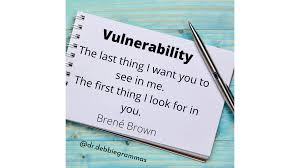
    Vulnerability is closely linked to trust. To truly connect, we need to be willing to show our true selves. This means sharing our fears, our doubts, and our imperfections. It’s about letting someone see the real you, not just the polished version. When someone trusts you enough to be vulnerable with you, it’s a huge gift. You should honor that by being kind and supportive.

    Building Trust: Small Steps, Big Impact

    Focus on these actions:

    Be Honest

    Always tell the truth, even when it’s difficult.

    Be Reliable

    Follow through on your commitments.

    Be Transparent

    Share your intentions and feelings openly.

    The Importance of Empathy and Support

    Empathy is the ability to understand and share the feelings of another person. It’s like stepping into their shoes for a moment. When you show empathy, you validate their experience. You let them know they aren’t alone. This is a powerful way to deepen a connection.

    Imagine a friend is going through a tough time. Simply saying “I understand” might not be enough. True empathy comes from trying to feel what they are feeling. It might involve acknowledging their pain. Or recognizing their struggle. “That sounds incredibly difficult,” you might say. Or, “I can see why you’re feeling so upset.”

    Support goes hand-in-hand with empathy. It’s about being there for someone. It can be emotional support, like listening and offering comfort. It can also be practical support, like helping with tasks. Knowing you have someone to rely on during hard times is a huge comfort. It makes relationships feel secure and robust. It’s a crucial part of strengthening emotional bonds.

    Showing Support: Simple Gestures

    Here are some ways to show you care:

    • Offer a listening ear. Just be there to hear them out.
    • Ask how you can help. Don’t assume what they need.
    • Be present. Sometimes just your company is enough.
    • Offer encouragement. Remind them of their strengths.
    • Respect their space. If they need time alone, give it to them.

    Nurturing Bonds in Different Relationships

    The principles for strengthening emotional bonds apply across various relationships. But the way we express them might look different.

    Family Bonds

    Family ties are often the first ones we experience. They can be complex. We share a history, sometimes a lot of history. Nurturing these bonds involves understanding family dynamics. It means accepting family members for who they are. Even when they are different from us. Regular contact is important. Shared traditions also play a big role.

    For parents, showing consistent love and support is key. For adult children, showing respect and making time for parents matters. Even when living far apart, a phone call or video chat can make a difference. Recognizing each other’s needs as people, not just family roles, helps.

    Friendships

    Friendships are built on choice. We choose who we want in our lives. This makes them special. To strengthen friendships, prioritize quality time. Make an effort to stay in touch. Be a reliable friend. Celebrate their successes and be there for their struggles. Friendships thrive on mutual effort and genuine care.

    Don’t let distance or busy schedules be an excuse. A quick text, a funny meme, or a planned video call can keep the connection alive. Being a good listener and offering honest, kind advice is also crucial. Friends are the family we choose, so cherish them.

    Romantic Partnerships

    Romantic relationships require deep commitment. They involve a unique blend of friendship, intimacy, and partnership. Open, honest communication is paramount. Regularly expressing affection, both verbally and physically, is vital. Make time for dates and shared activities. Work through challenges as a team.

    Understanding your partner’s needs and showing appreciation for them is essential. Remember the things you first fell in love with. Keep the spark alive by trying new things together. Show that you value their presence in your life every day.

    Relationship Check-Up

    Ask yourself these questions about your important relationships:

    • Do I feel heard and understood?
    • Do I feel safe and supported?
    • Do we spend meaningful time together?
    • Do we communicate openly and honestly?
    • Do I appreciate this person?

    What Does This Mean for You?

    Understanding how to build strong emotional bonds isn’t just academic. It has real impact on your life. Strong connections bring happiness. They provide support during tough times. They make life richer and more meaningful. You don’t need to be a psychologist to foster these bonds.

    It’s about consistent effort. It’s about choosing to be present. It’s about showing you care. Even small actions can make a big difference. A kind word. A thoughtful gesture. Making time for someone. These are the bricks and mortar of lasting relationships.

    When you invest in strengthening emotional bonds, you’re investing in your own well-being. You’re creating a network of support. You’re building a life filled with love and connection. It’s a worthwhile endeavor for anyone seeking a fulfilling life.

    Quick Tips for Stronger Bonds

    Here are some simple things you can start doing today:

    • Practice active listening. Really hear what others are saying.
    • Express appreciation. Tell people you value them.
    • Be reliable. Keep your promises.
    • Show empathy. Try to understand others’ feelings.
    • Make time for connection. Even short interactions count.
    • Be present. Put away distractions when you’re with others.
    • Offer sincere compliments. Acknowledge their good qualities.
    • Be forgiving. Let go of minor grievances.

    Frequently Asked Questions

    What is the fastest way to strengthen an emotional bond?

    While there’s no true “fast” track for deep bonds, consistent, authentic effort is key. Focusing on active listening, showing genuine empathy, and being reliably supportive can accelerate the process. Shared vulnerability and open communication also create rapid closeness when done with trust.

    Can you strengthen emotional bonds after a big fight?

    Absolutely. Conflicts can be turning points. If handled constructively, they offer opportunities for growth. Focus on sincere apologies, understanding each other’s perspectives, and reaffirming commitment. This process can often lead to even stronger, more resilient bonds than before.

    How important is physical touch in strengthening bonds?

    Physical touch can be very important, especially in romantic partnerships and close family relationships. Hugs, holding hands, and other forms of affection release hormones like oxytocin. This “bonding hormone” promotes feelings of trust and connection. However, the comfort level with touch varies, so it’s important to be mindful of personal boundaries.

    What if I feel like I’m always the one trying to strengthen the bond?

    It’s a common concern. While relationships require effort from both sides, sometimes one person might naturally be more proactive. If you consistently feel like you’re the only one trying, it’s worth exploring with the other person. Openly and kindly express your feelings and needs. If the imbalance persists, it may indicate a deeper issue in the relationship.

    How can I strengthen bonds with people I only see online?

    Building bonds online requires different approaches. Prioritize regular, meaningful communication. Engage in video calls to get a better sense of non-verbal cues. Share personal thoughts and experiences, and be genuinely interested in theirs. Participating in shared online activities or games can also foster a sense of connection and create shared memories.

    Is it possible to strengthen an emotional bond with someone I used to dislike?

    Yes, it is possible, though it requires a significant shift and genuine effort from both sides. Begin by finding common ground or shared interests. Practice active listening and strive to understand their perspective without judgment. Small, consistent acts of kindness and respect can slowly chip away at past animosity and build a new foundation for a stronger bond.

    Conclusion: The Ongoing Journey of Connection

    Building and maintaining strong emotional bonds is a continuous, rewarding process. It’s not a destination but a journey. By focusing on empathy, trust, open communication, and shared experiences, you can nurture deep, meaningful connections. Remember that every small effort counts. Your relationships are worth the investment of your time and heart.

  • Maintaining Trust Over Time

    Building trust isn’t a one-time event. It’s a steady process. It happens over days, weeks, and years.

    When trust breaks, it feels terrible. You want to fix it. You want to feel secure again.

    This guide helps you understand how trust grows. It also shows you how to keep it strong.

    Maintaining trust over time involves consistent, honest actions and clear communication. It requires showing reliability, empathy, and accountability in all interactions, fostering a strong foundation for enduring relationships and mutual respect.

    The Building Blocks of Trust

    Trust is a feeling. It’s a belief in someone. You believe they are good.

    You believe they will do the right thing. This belief doesn’t appear from nowhere. It’s built from small things.

    These small things add up. They create a strong picture. This picture shows reliability.

    It shows good intent.

    Think about a friend. You trust them. Why?

    Maybe they always listen. Maybe they keep your secrets. Maybe they show up when they say they will.

    These are the tiny bricks. Each brick is a good deed. Each brick is honest talk.

    Together, they build a wall. This wall is your trust.

    On the flip side, trust can be lost. One bad action can shake it. A lie can crack it.

    Broken promises can shatter it. It’s like a delicate vase. Once broken, it’s hard to make it perfect again.

    You can try to glue it. But the cracks often show. They remind you of what happened.

    So, how do we build this strong wall? It starts with knowing yourself. What are your values?

    What do you stand for? When you know this, your actions match. This consistency is key.

    People see you’re real. They see you mean what you say.

    Why Trust Matters So Much

    Trust is the glue. It holds everything together. Think about your life.

    Your family, your job, your friendships. All these rely on trust. Without it, things fall apart.

    Imagine working with someone you don’t trust. It’s stressful. You watch everything they do.

    You doubt their motives.

    In families, trust means you feel safe. You know you’re loved. You know you can share your fears.

    You know you can make mistakes. Your family will still support you. This deep safety comes from trust.

    It allows for open hearts. It allows for real connection.

    At work, trust is vital. It helps teams work well. When you trust your boss, you’re more likely to follow their lead.

    When you trust your colleagues, you share ideas freely. You help each other. This makes the whole team better.

    It makes the work more enjoyable too.

    Even in small interactions, trust matters. When you buy something, you trust the seller. You trust the product will work.

    You trust they won’t cheat you. This trust makes life easier. It lets us move forward without constant worry.

    The absence of trust is heavy. It breeds suspicion. It creates distance.

    It makes everything harder. It drains energy. People spend a lot of time and effort dealing with mistrust.

    This energy could be used for good things. It could be used for growth. It could be used for happiness.

    My Own Experience: The Coffee Shop Mishap

    I remember one time, I was meeting a new client. It was a big deal. I arrived early to a coffee shop.

    I ordered my usual black coffee. The barista seemed new. She seemed a bit flustered.

    I paid and sat down. I waited. And waited.

    My coffee never came. The shop got busy. My client arrived.

    I felt my stomach drop. I had to go back to the counter. I saw my unmade coffee sitting there.

    I felt a wave of annoyance. And a bit of embarrassment. I’d been there for ages.

    I’d trusted them to make my drink. It wasn’t a huge problem, right? Just coffee.

    But it stuck with me. For a while, I avoided that shop. It felt like a small betrayal.

    They let me down. Even though they probably just forgot. This showed me how quickly trust can slip.

    Even in small things. It made me think about my own habits. Do I ever “forget” things?

    Do I let people down, even a little?

    That small event made me more aware. I started paying more attention. To how I communicate.

    To how I follow through. I wanted to be the person people could count on. Even for small things.

    Because those small things build up. They build the big things.

    Key Actions for Building Trust

    Be Honest: Always tell the truth. Even when it’s hard.

    Be Reliable: Do what you say you will do. Show up on time.

    Be Consistent: Your actions should match your words, every time.

    Be Open: Share your thoughts and feelings when appropriate.

    Be Accountable: Own your mistakes. Apologize sincerely.

    The Role of Communication in Trust

    Communication is not just talking. It’s also listening. Good communication builds bridges.

    Bad communication builds walls. When you talk with someone, do you really hear them? Or are you just waiting to speak?

    Active listening is key. This means paying full attention. It means nodding.

    It means asking questions. It means not interrupting. You show the other person they matter.

    You show you care about their words. This builds immense trust. They feel understood.

    Clear communication is also vital. Avoid fuzzy words. Be direct but kind.

    Say what you mean. And mean what you say. If you promise something, be specific.

    “I’ll get that done soon” is weak. “I’ll have that report to you by Friday afternoon” is strong. It sets clear expectations.

    Honesty in communication is non-negotiable. If you made a mistake, say so. Don’t try to hide it.

    Don’t blame others. Taking responsibility shows maturity. It shows integrity.

    This builds far more trust than trying to pretend everything is perfect.

    Vulnerability in communication helps too. Sharing your own struggles or fears can make others feel closer to you. It shows you’re human.

    It gives them permission to be human too. This deepens connection. It strengthens bonds.

    The opposite of this is also true. If you are vague, if you never admit fault, if you always interrupt, people won’t trust you. They will feel confused.

    They will feel ignored. They will feel unsafe sharing things with you.

    Consistency: The Unsung Hero of Trust

    Imagine a friend who is kind one day. Then grumpy and mean the next. You wouldn’t know how to act.

    You’d feel uncertain. This is what happens when someone is inconsistent.

    Consistency is about predictability. People feel safe when they know what to expect. If you are always helpful, people trust you to be helpful.

    If you always return calls promptly, people trust you to do so. This creates a sense of stability.

    This applies to promises too. If you make a promise, and you keep it, your reliability grows. If you break promises, even small ones, your reliability shrinks.

    It’s like chipping away at a sculpture. Each broken promise removes a piece. Eventually, there’s not much left.

    Consistency also means your values stay the same. If you stand for honesty, you must act honestly always. If you care about people, you must show that care often.

    When your actions align with your stated values, people see you as genuine. They see you as someone they can rely on.

    In the workplace, this is huge. A manager who is fair today and unfair tomorrow creates chaos. An employee who works hard one week and slacks off the next erodes confidence.

    Consistency builds a foundation of dependable performance and character.

    This can be hard work. Life throws curveballs. We all have bad days.

    But the effort to be consistent, to show up as your best self most of the time, is what builds lasting trust. It shows dedication. It shows commitment.

    Building Trust: A Quick Scan Table

    Action Impact on Trust Example
    Keeping a promise Builds strong trust Returning a borrowed tool on time
    Admitting a mistake Increases trust Saying “I’m sorry, I missed that deadline”
    Being reliable Deepens trust Always being on time for meetings
    Gossiping Destroys trust Sharing private information about a coworker
    Being vague Weakens trust Saying “I’ll help when I can” without details

    The Power of Empathy and Understanding

    Empathy is the ability to feel what another person feels. Or at least, to understand their feelings. When you show empathy, you’re saying, “I see you.

    I understand your pain.” This is a powerful trust-builder.

    Imagine you’re upset about something at work. Your colleague just says, “Oh, get over it.” That’s not empathy. Now imagine a colleague says, “That sounds really tough.

    I can see why you’re upset.” That’s empathy. It makes you feel heard and validated.

    Understanding someone’s perspective is part of empathy. Even if you don’t agree, you can try to see where they’re coming from. “I understand you feel that way because of X.

    I see your point.” This doesn’t mean you’re agreeing with them. It means you’re respecting their viewpoint. This respect builds trust.

    In parenting, empathy is crucial. When a child is crying, understanding their fear or frustration is key. Simply telling them to stop crying doesn’t work.

    Validating their feelings does. “I know you’re sad because your toy broke.” This builds trust with the child.

    In customer service, empathy can turn a bad experience around. A customer is angry. The service person listens.

    They say, “I understand this has been very frustrating for you.” They show they get it. This can defuse anger. It can rebuild trust.

    Empathy requires you to step outside yourself. You have to think about the other person’s world. It takes practice.

    It takes patience. But the rewards in terms of trust and connection are enormous. People want to be around those who “get” them.

    Accountability: Owning Your Actions

    Mistakes happen. Everyone makes them. What separates people is how they handle them.

    Accountability is taking ownership. It’s not making excuses. It’s not blaming others.

    When you mess up, the best thing to do is own it. Say, “I made a mistake. I’m sorry.” A sincere apology goes a long way.

    It shows you respect the other person. It shows you value the relationship more than being right.

    Think about a time you apologized and meant it. How did that feel? It probably felt better than being angry or defensive.

    And the other person likely felt respected. They saw you were willing to be vulnerable and admit fault.

    Accountability also means fixing the mistake if possible. If you broke something, offer to repair or replace it. If you missed a deadline, work extra hard to catch up.

    Actions speak louder than words. Showing you’re willing to make amends is powerful.

    When someone consistently avoids accountability, trust erodes fast. You learn you can’t count on them. You learn they will always look for a way out.

    This makes you wary. You stop relying on them. You stop confiding in them.

    It’s about integrity. Integrity means doing the right thing, even when no one is watching. It means standing by your actions.

    It means being a person of your word. This is the bedrock of lasting trust.

    When Trust is Tested: Scenario Insights

    Scenario 1: A Missed Deadline

    Normal Response: Buyer remorse, slight worry.

    Concerning Response: Constant avoidance, blaming others, no apology.

    Scenario 2: Miscommunication

    Normal Response: Clarification, seeking understanding.

    Concerning Response: Anger, assuming bad intent, shutting down dialogue.

    Scenario 3: Small Error

    Normal Response: Quick correction, apology.

    Concerning Response: Defensiveness, denial, making it a bigger issue.

    Navigating Trust in Different Relationships

    Trust looks a little different in different areas of life. But the core principles remain the same. It’s about building a foundation and keeping it strong.

    Friendships: In friendships, trust often grows from shared experiences. Hanging out, having fun, supporting each other through tough times. It’s about loyalty and being there.

    A friend you can always call, no matter what, is a trusted friend.

    Family: Family trust can be complex. It often starts from childhood. It’s built on a sense of belonging and unconditional love.

    But it can be damaged by conflict or broken promises. Rebuilding family trust requires patience and a willingness to forgive and be forgiven.

    Work: At work, trust is about competence and reliability. Can your colleagues count on you to do your job? Do you work well with others?

    It’s also about professional integrity. Do you share credit? Do you speak respectfully about others?

    Romantic Relationships: This is where trust is often the most intense. It involves honesty about feelings, fidelity, and shared goals. Open communication and vulnerability are paramount.

    Betrayal in romantic relationships can be devastating.

    Online Interactions: In the digital world, trust is harder to build. We rely on reputation, reviews, and cautious communication. We must be more vigilant about verifying information and people.

    Trust takes longer to earn online and can be lost instantly.

    No matter the relationship, trust is a choice. It’s a choice we make every day through our actions. It’s a choice others make about us, based on those actions.

    When Trust is Broken: The Path to Repair

    Sometimes, trust breaks. It might be a small crack or a total collapse. The desire to repair it is strong.

    But it’s a journey, not a quick fix.

    The first step is often acknowledging the hurt. If you are the one who broke trust, you must see the damage. You need to understand how your actions affected the other person.

    This takes listening without getting defensive.

    Then comes a sincere apology. This isn’t saying “I’m sorry if you were offended.” It’s saying “I’m sorry for what I did. I know it hurt you.” It’s taking full responsibility.

    It’s showing remorse.

    Next is consistent effort to rebuild. This takes time. It requires proving through your actions that you’ve changed.

    It means showing you’ve learned from the mistake. The person who was hurt needs to see reliability. They need to see a new pattern of behavior.

    Patience is vital. The hurt person may not trust you immediately. They may be wary.

    They may test you. This is normal. You need to be patient and continue showing up.

    Your consistency over time is what heals the breach.

    Sometimes, despite best efforts, trust cannot be fully restored. People have different boundaries. Some hurts are too deep.

    In these cases, acceptance might be the only path forward. But always try. Always strive to mend what is broken, if possible.

    Signs Trust is Strong

    Openness: People share freely without fear.

    Comfort: You feel relaxed and safe around them.

    Assumption of Good Intent: You believe they mean well.

    Resilience: Minor issues don’t break the bond.

    Support: They have your back, and you have theirs.

    What This Means For You

    So, what’s the takeaway? How do you apply this in your life?

    For Yourself: Be the person you want to trust. Live your values. Be honest with yourself and others.

    Own your mistakes. Be reliable. These habits build your own sense of integrity.

    In Relationships: Focus on clear, honest communication. Listen more than you speak. Show empathy.

    Be consistent in your actions. When you mess up, own it. Show you care about the other person’s feelings.

    In Your Community: Be a dependable neighbor. Be a fair colleague. Be a supportive friend.

    Small acts of kindness and reliability add up. They create a ripple effect of trust.

    It’s not about being perfect. It’s about being real. It’s about making a conscious effort.

    Every day, you have opportunities to build or erode trust. Choose to build. Choose connection.

    Choose integrity.

    Quick Tips for Maintaining Trust

    Here are some simple things you can do every day:

    • Keep your word. If you promise something, do it.
    • Communicate openly. Share your thoughts and feelings.
    • Listen actively. Hear what others are really saying.
    • Be punctual. Respect others’ time.
    • Own your mistakes. Apologize sincerely.
    • Be predictable. Let people know what to expect from you.
    • Show appreciation. Thank people for their trust and support.
    • Set boundaries. Healthy boundaries protect trust.

    Frequently Asked Questions About Trust

    How long does it take to build trust?

    Building trust takes time. There’s no set number of days. It depends on many things.

    Like the depth of the relationship. And the consistency of your actions. Small, consistent positive actions build trust faster than grand gestures.

    Can you ever trust someone fully again after they break your trust?

    It is possible. But it’s very hard. It requires huge effort from the person who broke trust.

    And a lot of patience and willingness from the person who was hurt. It depends on the nature of the breach and the individuals involved. Some people can rebuild it stronger.

    Others find it impossible.

    What if someone else’s lack of trust makes me feel bad?

    It’s natural to feel hurt or frustrated. If you believe you’ve acted with integrity, try to understand their concern. You can calmly explain your actions.

    However, you can’t force someone to trust you. Focus on your own consistent behavior. Sometimes, time and evidence are the only healers.

    Is it okay to be vulnerable to build trust?

    Yes, absolutely. Being vulnerable means showing your true self, including your flaws and feelings. This can deepen connection.

    It shows you trust the other person. When done appropriately, it can significantly boost trust in a relationship. But choose your moments wisely.

    How do I know if I am trustworthy?

    Consider your actions. Do your actions match your words? Do you keep promises?

    Do you admit when you are wrong? Are you reliable? Do people feel safe confiding in you?

    Your reputation and how others react to you are good indicators.

    What is the biggest mistake people make when trying to build trust?

    Often, it’s inconsistency. People might be trustworthy for a while, then let things slide. Or they might say one thing and do another.

    Another big mistake is not apologizing sincerely when they mess up. They might make excuses instead of taking responsibility. This signals they don’t value the trust.

    Conclusion: Trust is a Living Thing

    Trust isn’t a static object. It’s alive. It needs care and attention to thrive.

    Think of it like a garden. You have to plant good seeds. You have to water it.

    You have to pull weeds. With consistent care, it flourishes. Without it, it wilts.

  • Vulnerability In Relationships

    True connection happens when we dare to be seen. Vulnerability is not weakness; it’s the courage to be imperfect and let ourselves be loved. It’s the pathway to deeper intimacy and trust in any relationship, whether with a partner, friend, or family member.

    What is Vulnerability in Relationships?

    Think of vulnerability in relationships as letting someone see the real you. It’s sharing your inner world. This includes your hopes, your fears, and your feelings. It’s about being honest about your mistakes. It’s also about admitting when you need help. It means not putting up a tough front all the time. It’s letting your guard down. This allows another person to truly know you. It’s not about oversharing everything. It’s about sharing what matters. It’s sharing your true self with someone you trust.

    Why does it feel so hard? For many of us, we learn to hide parts of ourselves. Maybe as kids, we felt judged. Perhaps we had bad experiences. We might have been told to be strong. Or to keep our problems to ourselves. So, we build walls. These walls protect us. But they also keep others out. They stop real connection from forming. It feels safer to pretend. It feels easier to stay hidden. But that’s not where deep love lives.

    My Own Struggle with Letting My Guard Down

    I remember a time when a good friend, Sarah, was going through a tough patch. Her job was stressful. Her mom was sick. She was clearly struggling. I wanted to be there for her. But I also felt a weird urge to just be the “strong one.” I wanted to offer solutions. I wanted to cheer her up with jokes. I didn’t want to admit that I also worried about her. I didn’t want to say that seeing her hurt made me feel helpless. It felt like admitting weakness.

    One evening, we were talking on the phone. She was crying softly. My first instinct was to say, “Don’t cry! You’re so strong, you’ll get through this.” But then, something shifted. I took a deep breath. I said, “Sarah, I’m really worried about you. And honestly, it makes me feel a bit scared, too. I don’t know all the answers, but I’m here. I’m right here with you.” There was a pause. Then she whispered, “Thank you. That means a lot.” In that moment, the wall between us thinned. It was a small step. But it felt huge. It taught me that sharing my own feelings, even fear, could actually bring us closer.

    Signs of Healthy Vulnerability

    Open Communication: Sharing thoughts and feelings freely.

    Trust Building: Feeling safe to express needs and fears.

    Empathy Given & Received: Understanding and being understood.

    Acceptance of Imperfection: Knowing flaws are okay.

    Mutual Support: Leaning on each other.

    Why is Vulnerability So Important?

    Vulnerability in relationships is the glue that holds them together. Without it, relationships stay on the surface. Imagine a beautiful painting. It looks nice from afar. But up close, you see the brushstrokes. You see the layers. You see the texture. That’s what vulnerability does for a relationship. It adds depth. It adds richness.

    When you are open, you invite the other person in. You show them you trust them. This trust is a precious thing. It encourages them to be open too. It creates a cycle of openness. This is how intimacy grows. Intimacy is not just physical. It’s about deep emotional connection. It’s about feeling truly seen and accepted.

    Consider the opposite. If you always hide your true feelings, your partner might feel distant. They might not know what’s really going on inside you. They might feel like they don’t truly know you. This can lead to misunderstandings. It can breed loneliness. Even when you’re together, you can feel alone. That’s the cost of hiding.

    Building Trust Through Openness

    Trust is built one small act of openness at a time. It’s not a sudden event. It’s a process. When you choose to share something a little difficult, and your partner responds with kindness, trust grows. If you share a fear, and they listen without judgment, that’s trust building.

    It’s also about the other person’s reaction. Do they dismiss your feelings? Do they tell you to “get over it”? Or do they say, “I hear you. That sounds hard. How can I help?” The latter builds trust. It shows that your feelings matter. It shows that you are safe to be yourself with.

    What if you’ve been hurt before? Trust can feel like a distant dream. It takes time and conscious effort to rebuild it. Start small. Share something minor. See how it goes. If it’s a positive experience, try a little more next time. It’s like building a muscle. You start with light weights. Then you gradually increase.

    Myth vs. Reality: Vulnerability

    Myth: Vulnerability means being weak. Reality: Vulnerability is courage. It’s showing your true self.
    Myth: If I’m vulnerable, I’ll get hurt. Reality: There’s always a risk. But not being vulnerable creates distance.
    Myth: Sharing problems makes me a burden. Reality: True connection means supporting each other through hard times.

    When is Vulnerability Appropriate?

    It’s natural to wonder when and how much to share. Not every feeling needs to be voiced immediately. Not every worry needs to be laid bare. The key is appropriateness. Consider the context. Who are you with? What is your relationship like? How well do you know this person?

    In a new friendship, you might start by sharing a funny anecdote. You might talk about a hobby you enjoy. As the friendship deepens, you might share a challenge you faced. You might talk about a fear you have. With a romantic partner, the level of openness can and should be higher. You are building a life together. You need to know each other’s inner landscapes.

    Think about your own comfort level. Push your boundaries gently. Don’t force yourself to share something you’re not ready for. It’s a dance. It’s a back-and-forth. You offer a piece of yourself. Then you see how the other person responds. Their response helps you decide what to share next.

    What Does Healthy Vulnerability Look Like?

    Healthy vulnerability in relationships is balanced. It’s not about being an open book with strangers. It’s not about dumping all your problems on one person. It’s about sharing in a way that builds connection. It’s done with respect for yourself and the other person.

    It means sharing your feelings. It means saying, “I feel sad when this happens.” Or, “I’m excited about this.” It’s also about sharing your needs. Saying, “I need some quiet time today.” Or, “I need a hug.”

    Consider the impact. Is your sharing building bridges? Or is it creating walls? If you always complain or criticize, it’s not healthy vulnerability. It’s negativity. Healthy vulnerability is constructive. It aims to bring people closer. It aims to foster understanding.

    Quick Scan: Vulnerability in Different Relationships

    Romantic Partner: High level. Deep emotional sharing. Fears, dreams, needs.
    Close Friends: Medium to High level. Sharing life events, struggles, joys.
    Family: Varies. Can be high with some, lower with others. Depends on family dynamics.
    Colleagues: Low to Medium level. Professional honesty. Sharing general challenges or wins.

    Navigating Difficult Emotions

    Sometimes, vulnerability means sharing hard emotions. This could be anger, fear, or sadness. It’s easy to lash out when angry. It’s easy to shut down when scared. But true vulnerability means expressing these emotions. It means saying, “I’m feeling angry right now, and I need a moment.” Or, “I’m scared about this situation.”

    The goal is not to overwhelm the other person. It’s to communicate your experience. It’s to invite understanding. Your partner can’t help you if they don’t know you’re hurting. They can’t comfort you if they don’t know you’re afraid.

    What if your partner reacts poorly? This is tough. It might mean they aren’t ready for this level of openness. Or perhaps they have their own issues. It’s okay to set boundaries. You can say, “I need to feel heard right now.” If they can’t provide that, it’s important to recognize it. This doesn’t mean you stop being vulnerable. It means you might need to seek that support elsewhere, or work on communication together.

    The Role of Boundaries

    Boundaries are crucial for healthy vulnerability in relationships. They are not walls to keep people out. They are guidelines for how you want to be treated. They protect your well-being. They ensure that openness happens safely.

    For example, you might have a boundary around discussing certain childhood issues. Or you might need time alone after a difficult conversation. Communicating these boundaries is a form of vulnerability. It’s saying, “This is what I need to feel safe.”

    When boundaries are respected, trust deepens. When they are violated, it erodes trust. It makes future openness feel risky. It’s important to be clear about your boundaries. And it’s important to respect the boundaries of others.

    Recognizing When It’s Not Safe to Be Vulnerable

    While vulnerability is key to deep connection, it’s not always safe. If you are in a relationship where you are often criticized, dismissed, or punished for sharing your feelings, it is not a safe space.

    Abusive relationships, for example, thrive on control. They punish any sign of independence or honesty. In such cases, protecting yourself is the priority. True vulnerability requires a foundation of respect and safety. If that’s missing, focus on your own well-being first.

    It’s also important to recognize when someone is not equipped to handle your vulnerability. They might be dealing with their own intense struggles. They might lack the emotional maturity to respond well. In these situations, you might need to limit what you share. Or seek support from others who can offer it.

    Observation Flow: Building Vulnerability

    Step 1: Self-Awareness

    Understand your own feelings and needs. Know what you are ready to share.

    Step 2: Choose Wisely

    Select a trusted person and a good time. Start with something small.

    Step 3: Gentle Sharing

    Express your feeling or thought clearly. Use “I” statements.

    Step 4: Observe Response

    See how they react. Do they listen? Do they offer support?

    Step 5: Gradual Deepening

    If the response is positive, slowly share more over time.

    The Connection Between Vulnerability and Intimacy

    Intimacy is often misunderstood. It’s not just about physical closeness. It’s about knowing and being known. It’s about a deep sense of connection. Vulnerability in relationships is the direct path to this kind of intimacy.

    When you let someone see your fears, they get to know your inner struggles. When you share your dreams, they get to know your hopes. When you admit your mistakes, they see your humanity. This kind of sharing creates a bond. It’s a bond that goes deeper than shared activities or common interests.

    Think about a long-term couple who has weathered storms together. They have seen each other at their worst. They have supported each other through loss. This shared experience, born from moments of vulnerability, creates an unbreakable connection. They are intimate because they have been truly seen, flaws and all.

    Fear of Judgment: A Major Hurdle

    One of the biggest reasons people shy away from vulnerability in relationships is the fear of judgment. We worry that if others see our true selves, they will find us lacking. We fear they will think less of us. We imagine being laughed at or rejected.

    This fear often stems from past experiences. Maybe a parent was critical. Maybe a friend betrayed a confidence. These hurts can leave us feeling wary. They teach us to keep our true selves hidden.

    Overcoming this fear takes courage. It involves challenging those old beliefs. It means reminding yourself that the right people will accept you. They will value your honesty. They will see your courage. It also involves choosing who you share with wisely. Start with those who have shown you kindness and acceptance.

    How to Practice Being More Vulnerable

    So, how do you actually do this? It’s a skill that can be learned and improved. Here are some practical steps:
    Start Small: You don’t have to share your deepest secrets on day one. Begin with something minor. Share your favorite song. Talk about a silly fear, like spiders. See how it feels.
    Use “I” Statements: Frame your feelings from your perspective. Instead of “You always make me feel ignored,” try “I feel ignored when.” This focuses on your experience, not blame.
    Practice Active Listening: When the other person shares, really listen. Show empathy. This creates a safe space for them, and by extension, for you.
    Share Your Needs: It’s vulnerable to say what you need. “I need some help with this project.” Or “I need you to listen without offering advice right now.”
    Talk About Your Feelings: Give names to your emotions. Instead of “I’m upset,” try “I feel disappointed” or “I feel anxious.”
    Be Okay with Discomfort: It will feel uncomfortable at first. That’s normal. Lean into the discomfort a little. It’s often a sign of growth.
    Choose the Right People: Focus your vulnerability efforts on people who have earned your trust. People who have shown they care about your well-being.

    Your Vulnerability Toolkit

    • Journaling: Write down your thoughts and feelings. This helps you understand them before sharing.
    • Mindfulness: Pay attention to your body’s signals. What does it feel like to be vulnerable?
    • Positive Affirmations: Remind yourself that you are worthy of love and acceptance.
    • Therapy or Counseling: A professional can guide you through building these skills.
    • Support Groups: Connect with others who are working on similar goals.

    When to Worry: Red Flags in Vulnerability

    While we encourage openness, it’s important to know when to pause. Red flags signal that a situation or person might not be safe for vulnerability.
    Constant Criticism: If your attempts to share are met with put-downs or judgment, it’s not safe.
    Dismissal of Feelings: If your emotions are ignored or told they are “too much,” this is a warning sign.
    Gossip and Betrayal: If information you share is used against you or spread around, trust is broken.
    Manipulation: If someone uses your vulnerability to control or shame you, that’s a serious issue.
    Lack of Reciprocity: If you are always the one sharing and the other person never opens up, the balance is off.
    Gaslighting: If your reality or feelings are constantly denied or questioned, it’s a dangerous sign.

    If you see these signs, it’s okay to pull back. Protect yourself. Reassess the relationship. Your emotional safety comes first.

    The Long-Term Benefits of Openness

    The effort you put into being vulnerable pays off. Over time, it leads to:
    Stronger Bonds: Deeper connections with friends, family, and partners.
    Increased Trust: A solid foundation for any relationship.
    Greater Self-Awareness: Understanding yourself better through sharing.
    Improved Communication: Learning to express yourself clearly.
    Reduced Loneliness: Feeling truly seen and accepted.
    Greater Resilience: Knowing you have support during tough times.

    It’s a pathway to more meaningful and fulfilling relationships. It allows love and understanding to truly flourish.

    Frequently Asked Questions About Vulnerability in Relationships

    Is vulnerability the same as being weak?

    No, absolutely not. Vulnerability is often seen as a sign of great courage. It means daring to be seen and known, flaws and all. Strength comes from facing your fears and sharing your true self, not from hiding them.

    How much vulnerability is too much?

    This is a great question. Too much vulnerability can happen if you overshare with people who aren’t safe. It can also happen if you share every single thought or feeling without regard for the other person. Healthy vulnerability is balanced. It is shared appropriately with trusted individuals over time.

    What if I’m afraid of being rejected if I’m vulnerable?

    That fear is very common. It often comes from past hurts. Remember that the right people will appreciate your honesty. They will see your courage. It’s okay to start small with those you trust most. Focus on building that trust gradually.

    Can you be vulnerable with yourself first?

    Yes! Being vulnerable with yourself is the first and most important step. This means acknowledging your own feelings, needs, and flaws without judgment. Journaling or mindfulness can help you connect with your inner self. When you are kinder to yourself, it becomes easier to be open with others.

    How does vulnerability help a romantic relationship?

    Vulnerability is the bedrock of deep intimacy in romantic relationships. It allows partners to truly know each other’s inner worlds. Sharing fears, hopes, and struggles builds trust and strengthens the emotional bond. This deep connection makes the relationship more resilient and fulfilling.

    What if my partner isn’t vulnerable with me?

    This can be challenging. It might mean they have their own fears or past experiences. Or they may not know how. You can encourage them by being consistently open and supportive. Share your feelings about wanting more connection. But remember, you cannot force someone to be vulnerable. Focus on your own openness and healthy boundaries.

    Conclusion

    Opening yourself up feels daunting. But it’s where real connection lives. Vulnerability in relationships isn’t about being weak. It’s about being brave enough to be real. It’s about inviting others into your world. When done with care and trust, it builds deeper bonds. It creates true intimacy. So take that first small step. Share a little more of your true self. You might be surprised by the love and connection that follows.

  • Emotional Connection Exercises

    Emotional connection is about understanding and sharing feelings with others. It involves truly listening, empathizing, and showing you care. Practicing simple exercises can build stronger, more meaningful relationships with friends, family, and partners.

    These efforts lead to deeper trust and lasting bonds.

    What Is Emotional Connection?

    Emotional connection is the feeling of closeness. It’s when you feel understood. It’s also when you understand others very well.

    This feeling grows when people share their inner thoughts. They share their feelings. They show they care about each other’s well-being.

    It’s more than just being around someone. It’s about feeling truly seen and heard.

    When you have this connection, you feel safe. You feel secure. You can be yourself.

    You don’t have to pretend. This bond helps you feel less alone. It supports you when times are tough.

    It makes good times even better. It is the glue that holds relationships together.

    My First Real Lesson in Connection

    I remember a time when my best friend, Sarah, was going through a really hard patch. Her job was stressful. Her dad was sick.

    She just seemed so withdrawn. We used to talk for hours. Now, calls felt short and strained.

    I tried asking “How are you?” but she’d just say “Okay.” It felt like a wall was up. I felt helpless. I wanted to help but didn’t know how.

    One evening, I decided to stop just asking questions. I sat with her. I didn’t try to fix anything.

    I just said, “Sarah, I see you’re hurting. I’m here. Tell me whatever you want to tell me, or don’t.

    Just know I’m here.” She looked at me. A tear rolled down her cheek. She started talking.

    It wasn’t about solutions. It was just about her feelings. That night, I learned that just being present and validating feelings is huge.

    It built a bridge where there was a gap.

    Feeling Seen: The Core of Connection

    What it means: To feel that your thoughts, feelings, and experiences are acknowledged and understood by another person.

    Why it matters: When people feel seen, they feel valued. This builds trust. It makes them want to open up more.

    It is the bedrock of deep relationships.

    How to do it: Pay attention. Ask open questions. Listen without judgment.

    Show you understand with your words and actions.

    Why Emotional Connection Matters So Much

    Strong emotional bonds are vital for our health. They affect how we feel. They affect how we cope with stress.

    When we have good connections, we tend to live longer. We are less likely to get sick. Our minds feel clearer.

    These connections also help us grow. They push us to be better. They offer support when we try new things.

    They celebrate our wins. They comfort us when we fail. This kind of support helps us face challenges.

    It makes life richer and more fulfilling. It helps us feel a sense of belonging.

    Quick Scan: Benefits of Connection

    • Mental Health Boost: Less anxiety and depression.
    • Physical Health: Stronger immune system.
    • Stress Resilience: Better coping with tough times.
    • Personal Growth: Encouragement and support.
    • Life Satisfaction: Increased happiness and purpose.

    Simple Exercises to Build Emotional Connection

    Building connection doesn’t need grand gestures. Small, consistent actions make a big difference. Here are some easy exercises.

    They focus on listening and sharing. They aim to create more understanding.

    1. The “Listen and Reflect” Game

    This is simple but powerful. One person talks. The other person listens only.

    The listener does not interrupt. They don’t offer advice. After the speaker finishes, the listener says what they heard.

    They repeat the main feelings and ideas. For example, “So, it sounds like you felt really frustrated because.”

    This exercise helps the speaker feel heard. It helps the listener practice active listening. It shows the speaker that their words landed.

    It makes sure the listener got the message. This reduces misunderstandings.

    Practice Tip: Start with 5-10 minutes each. Try this with a partner, friend, or family member. Focus on understanding, not on agreeing or disagreeing.

    2. Shared Vulnerability Moments

    Opening up a little can create big bonds. Share a small worry or a past mistake. It doesn’t have to be a huge secret.

    It could be something like, “I was so nervous before my presentation today.” Or, “I made a silly mistake at work this week.” The key is to be genuine.

    When you share something personal, you invite the other person to do the same. It shows trust. It makes you seem more human.

    It encourages them to be honest too. This builds a safe space for both of you.

    Example: Instead of saying “I had a bad day,” try “I felt really down today because of X. It made me feel a bit lost.”

    3. The “Appreciation Station”

    Take a few minutes each day to notice good things. What do you appreciate about the other person? It could be their humor.

    It could be how they make your coffee. It could be their patience. Share these thoughts out loud.

    Say, “I really appreciate how you always remember to call your mom.”

    This simple act shifts focus to the positive. It reminds people they are valued. It makes them feel good.

    It also makes you more aware of the good things they do. This creates a positive loop.

    Variation: Write down one thing you appreciate about someone daily. You can share it or just keep it as a personal reminder.

    Contrast: Connection Myths vs. Reality

    Myth

    Deep connection happens naturally.

    You just “click” with some people. Effort isn’t needed.

    Reality

    Connection takes conscious effort.

    While chemistry helps, deep bonds are built through consistent, mindful actions like listening and sharing.

    Myth

    Talking solves everything.

    Just discussing problems will fix them.

    Reality

    Empathy and validation are key.

    Sometimes, just being heard and understood is more important than finding a solution.

    4. “Walk and Talk” Sessions

    Sometimes, a change of scenery helps. Go for a walk together. Walking side-by-side can feel less intense than face-to-face talks.

    It allows for comfortable silences. It also makes it easier to open up. The rhythm of walking can be calming.

    This setting is great for deeper conversations. It’s less about solving problems. It’s more about sharing thoughts.

    You might talk about dreams. You might discuss fears. The gentle movement can unlock feelings.

    It’s a way to connect without pressure.

    Where to try it: A park, a quiet neighborhood street, or even just around your house. Any place with a relaxed feel works.

    5. The “Empathy Empathy Empathy” Challenge

    Try to see things from the other person’s point of view. When they tell you something, pause. Ask yourself, “How might they be feeling right now?” “Why might they react this way?” Even if you don’t agree, try to understand their feelings.

    Say things like, “I can imagine that must have been really difficult for you.” Or, “It makes sense that you would feel that way, given what happened.” This shows you are trying to connect with their experience. It validates their emotions.

    When it’s tough: This is hard when you disagree strongly. Focus on validating their feelings about the situation, not necessarily their actions or beliefs.

    Quick-Scan Table: Connection Exercises at a Glance

    Exercise Name Key Focus Best For
    Listen and Reflect Active listening, understanding feelings Improving communication clarity
    Shared Vulnerability Building trust through honesty Deepening intimacy, feeling closer
    Appreciation Station Noticing and valuing positive traits Boosting morale, fostering gratitude
    Walk and Talk Relaxed, informal sharing Difficult conversations, casual bonding
    Empathy Challenge Understanding perspectives Resolving conflict, building bridges

    Real-World Context: Connecting in Everyday Life

    These exercises aren’t just for special occasions. They fit into daily routines. Think about your family dinners.

    Instead of everyone on their phones, try asking, “What was one good thing that happened today?” Or, “What was one challenge you faced?” This creates a space for sharing.

    Consider your friendships. When you meet a friend for coffee, instead of just talking about surface things, try asking deeper questions. “How have you been really feeling lately?” “What’s been on your mind?” The answers might surprise you.

    They will surely create a stronger bond.

    Even at work, small gestures matter. A colleague might be stressed. Instead of ignoring it, you could say, “Hey, you seem a bit overwhelmed.

    Is there anything I can do to help?” This shows you notice and care. It fosters a more connected team environment.

    What This Means for You: Normal vs. Concerning

    It’s normal for connections to ebb and flow. Some days you feel super close. Other days, life gets busy, and you feel a little distant.

    That’s okay. The key is to have the tools to reconnect when you need to.

    When should you worry? If there’s a consistent lack of communication. If one person always feels unheard.

    If you notice avoidance or constant arguments without resolution. If you feel lonely even when you’re with people you care about, it might be time to pay closer attention.

    Simple Checks:

    • Do you feel comfortable sharing your feelings?
    • Do you feel listened to when you speak?
    • Do you feel appreciated?
    • Do you show appreciation to others?

    If you answer “no” to many of these often, it’s a sign to put more effort into connection.

    Quick Tips for Boosting Connection

    Sometimes, you just need a little nudge. Here are some quick ideas to bring more connection into your life.

    • Put phones away: During meals or important talks, make a rule to put devices aside.
    • Be present: When someone is talking, focus all your attention on them. Make eye contact.
    • Ask follow-up questions: Show you’re engaged by asking more about what they said.
    • Use “I” statements: Share your feelings directly. “I feel sad when.” instead of “You make me sad.”
    • Practice gratitude daily: Think of or write down things you are thankful for about people.
    • Offer help: Small acts of service show you care.
    • Celebrate small wins: Acknowledge and cheer for each other’s successes, no matter how minor.

    Frequently Asked Questions

    How often should I practice these exercises?

    Consistency is key! Aim for daily practice, even for just a few minutes. Integrating these into your routine makes them more natural.

    Some exercises, like listening or showing appreciation, can be done multiple times a day.

    What if the other person doesn’t want to participate?

    You can only control your own actions. Continue practicing these exercises yourself. Your genuine efforts can often inspire others.

    Focus on being a good listener and showing appreciation. Sometimes, simply leading by example is the most effective approach.

    Are these exercises only for romantic relationships?

    No, absolutely not! These exercises are beneficial for all types of relationships: family, friends, colleagues, and even acquaintances. Building emotional connection strengthens all your bonds.

    What’s the difference between emotional connection and just being friends?

    Friendship is about shared interests and enjoyment. Emotional connection is deeper. It’s about feeling understood, supported, and safe sharing your inner world.

    It’s the vulnerability and empathy that set it apart.

    How do I know if I’m sharing too much too soon?

    Pay attention to the other person’s responses. Are they reciprocating? Do they seem uncomfortable?

    Start small and gradually increase vulnerability as trust builds. It’s a dance, not a race. Observe and adjust.

    Can I build connection if I’m naturally shy or introverted?

    Yes! Shyness doesn’t mean you can’t connect. Introverts often have deep connections because they value quality over quantity.

    The key is finding your comfort level. Start with listening exercises, or share in writing if speaking feels hard.

    Conclusion

    Building emotional connection is a journey. It’s not a destination. By using these simple exercises, you can create more depth.

    You can build more understanding. Remember to be patient with yourself and others. Small steps lead to big changes.

    Your relationships will thank you for it.

  • Trust Building Activities For Couples

    Trust building activities for couples are key to a strong, lasting relationship. They involve shared experiences, open communication, and consistent reliability. These activities help partners feel secure, understood, and deeply connected.

    What Trust Building Is

    Trust building is the process where partners learn to rely on each other. It means believing in your partner’s good intentions. It also means feeling safe to be open and honest.

    Trust lets you be yourselves. It helps you feel secure. This makes the relationship feel steady.

    Why does this matter so much? Think about a house. Its foundation needs to be strong.

    Trust is the foundation of your relationship. Without it, things can start to crumble. Small issues can become big problems.

    When trust is there, you can face challenges together. You feel like a team.

    In this article, we will explore many ways to build and keep this vital trust. We’ll look at simple actions. We’ll also cover deeper connection methods.

    You will learn how to make your relationship feel safe and loved.

    My Own Trust Journey With Sarah

    I remember one time, early on with my wife Sarah. We were planning a big weekend trip. I had booked everything.

    Then, a few days before, I realized I’d double-booked a hotel room. My mind went straight to panic. I pictured her being upset.

    I felt like a failure. I almost didn’t want to tell her. I worried she would think I wasn’t careful or didn’t care enough.

    But I took a deep breath. I walked over to her. I told her exactly what happened.

    I admitted I messed up. I explained I was worried about disappointing her. She didn’t yell.

    She looked at me. Then, she said, “Okay, it’s just a mistake. Let’s fix it together.” She even helped me find a new place.

    That moment was a turning point. It showed me that honesty, even about mistakes, builds more trust than pretending everything is perfect.

    Her reaction taught me a lot. It wasn’t about never making errors. It was about how we handled them.

    Owning up to things made her trust me more. It showed her I valued our relationship. I wasn’t afraid to be vulnerable.

    This is a key part of real trust. It’s not just about grand gestures. It’s about the small, honest moments.

    Quick Trust Builders: Daily Habits

    Listen Actively: Really hear what your partner says. Don’t just wait to talk. Put your phone down.

    Make eye contact. Show you care about their words.

    Be Reliable: If you say you will do something, do it. This builds a habit of dependability. Small promises kept add up.

    Show Appreciation: Thank your partner. Notice the little things they do. A simple “thank you” means a lot.

    It shows you see them.

    Share Your Day: Talk about your highs and lows. Even small details matter. This keeps you connected.

    It shows you want to share your life.

    Connecting Through Shared Experiences

    Doing things together is a powerful way to build trust. When you share an activity, you create common ground. You learn more about each other.

    You build memories. These shared moments become anchors for your relationship. They remind you of your bond, especially when times are tough.

    It’s not just about big vacations. Simple things can be just as effective. Cooking a meal together can be fun.

    Trying a new hobby like painting or hiking can be great. Even just going for a walk and talking is valuable. The key is doing it with intention.

    You want to connect. You want to understand each other better.

    These activities help you see different sides of your partner. You might discover hidden talents. You might learn about their fears or dreams.

    This deeper understanding fosters empathy. Empathy is a close friend of trust. When you understand and care about your partner’s feelings, trust grows naturally.

    Think about learning a new skill together. Maybe it’s a dance class or a language. You are both beginners.

    You make mistakes. You help each other. This shared vulnerability is a strong trust builder.

    You see each other trying. You see each other being patient. This creates a safe space to be imperfect.

    Activity Idea: The “Yes Day” Challenge

    Concept: For one whole day, one partner agrees to say “yes” to reasonable requests from the other.

    Why it works: Encourages spontaneity, shows willingness to please, and creates fun memories. It’s about saying yes to connection and fun.

    Example: Partner A might ask to try a new restaurant, go for a spontaneous bike ride, or watch a movie Partner B normally wouldn’t choose. Partner B commits to going along with it, within reason and budget.

    The Power of Open and Honest Communication

    Communication is the lifeblood of any healthy relationship. For trust to thrive, it needs clear and honest talk. This means sharing your thoughts and feelings.

    It also means listening without judgment. When you can talk about anything, you feel safer. You feel more connected.

    Sometimes, it’s hard to talk about difficult things. You might worry about hurting your partner. Or you might fear their reaction.

    But avoiding these talks can damage trust. It can lead to misunderstandings. These misunderstandings can grow over time.

    They create distance.

    Practicing active listening is vital. When your partner speaks, give them your full attention. Try to understand their point of view.

    You don’t have to agree. You just need to show you hear them. Use phrases like “I hear you saying.” or “So, if I understand correctly.”

    Sharing vulnerabilities is also key. Talking about your fears, your insecurities, or your past mistakes can be scary. But when you share these with your partner, you offer them a gift.

    You show them that you trust them with your deepest self. This act of trust often brings trust back to you.

    A simple exercise can help. Set aside time each week to just talk. No phones.

    No TV. Just you two. Ask open-ended questions.

    For example, “What was the best part of your week?” or “What’s something you’re looking forward to?” This dedicated time strengthens your communication muscles.

    Talking About Sensitive Topics

    Timing is Key: Choose a calm, private moment. Avoid bringing up big issues when tired or stressed.

    Use “I” Statements: Say “I feel sad when.” instead of “You always.” This focuses on your feelings, not blame.

    Be Specific: Instead of “You never help,” try “I felt overwhelmed today because I had to do the dishes and laundry alone.”

    Seek Understanding, Not Victory: The goal is to connect, not to win an argument.

    Building Reliability and Consistency

    Reliability is a cornerstone of trust. It’s about being someone your partner can count on. This applies to big things and small things.

    When you make a promise, you keep it. When you say you will do something, you follow through.

    Think about smaller promises. If you say you’ll pick up milk, do it. If you say you’ll call at a certain time, do it.

    These small acts show that you respect your partner’s time and needs. They build a quiet confidence. Your partner learns they can depend on you.

    Consistency in behavior is also important. If you are loving and supportive one day, but distant and cold the next, it can create uncertainty. Your partner might start to walk on eggshells.

    They might worry about what mood you will be in. This uncertainty erodes trust.

    Being consistent doesn’t mean being rigid. It means your core actions and values are stable. Your partner knows what to expect from you in terms of kindness, respect, and effort in the relationship.

    This predictability creates a sense of security. Security is a fertile ground for trust.

    Consider your partner’s needs. Do they need help with a chore? Do they need emotional support?

    Being responsive to these needs shows you care. It shows you are paying attention. It shows you are willing to step up.

    This creates a strong sense of partnership and trust.

    Reliability Check: Your Daily Actions

    Small Commitments: Track your follow-through on minor promises. Did you mail that letter? Did you send that text?

    Being Present: When you are with your partner, are you truly present? Or are you distracted?

    Honest Answers: If asked a question, do you give an honest, though perhaps gentle, answer?

    Emotional Stability: While moods fluctuate, is your general approach to the relationship steady and kind?

    The Role of Vulnerability and Transparency

    Vulnerability is not weakness. It is the courage to be seen as you are. Transparency is about being open and honest about your actions and thoughts.

    Together, they are powerful trust builders.

    When you share your true self, your fears, your hopes, your past, you invite your partner into your inner world. This deep sharing creates intimacy. It shows your partner that you trust them.

    This trust is usually returned. It makes the relationship feel more real.

    Imagine you made a mistake at work. Instead of hiding it, you tell your partner. You explain what happened.

    You talk about how it made you feel. This openness allows your partner to support you. It also shows them you are not afraid to admit when you are wrong.

    This is very trustworthy.

    Transparency also means being clear about your intentions. If you are planning something that might affect your partner, let them know. Avoid surprises that could cause worry or doubt.

    For example, if you are meeting up with an old friend, it’s good to mention it. This prevents assumptions.

    It’s important that this is a two-way street. Both partners need to feel safe being vulnerable and transparent. If one partner is always open, but the other remains guarded, it can create an imbalance.

    It might make the open partner feel less secure.

    Honest self-reflection is part of this. Being aware of your own biases or triggers can help you communicate better. When you understand yourself, you can explain yourself more clearly to your partner.

    This clarity builds understanding and trust.

    Transparency in Action

    Financial Openness: Discussing budgets, spending, and savings together builds trust around money.

    Social Circles: Being open about friendships and interactions outside the relationship reduces suspicion.

    Past Experiences: Sharing significant past events that shape your views can foster understanding.

    Future Goals: Discussing personal and shared dreams shows you are building a future together.

    Navigating Conflict Constructively

    Conflict is normal in relationships. It’s not about avoiding fights. It’s about how you fight.

    Constructive conflict resolution builds trust. It shows you can work through problems together.

    When a disagreement arises, the goal should be understanding, not winning. Try to see the situation from your partner’s perspective. Even if you don’t agree, acknowledge their feelings.

    This validation is crucial.

    Avoid common pitfalls. Name-calling is a trust killer. Bringing up past hurts can derail progress.

    Stonewalling, or shutting down, prevents resolution. Instead, focus on the current issue.

    Using “I” statements is a great tool. “I feel hurt when.” is more effective than “You always make me feel.” It keeps the focus on your feelings and needs, rather than blame.

    Take breaks if needed. If emotions are running too high, agree to pause. Set a time to revisit the conversation later.

    This shows maturity and a commitment to resolution. It prevents saying things you regret.

    After resolving a conflict, it’s important to reaffirm your connection. A hug, a kind word, or a simple apology can go a long way. It shows that the relationship is more important than the argument.

    Learning to apologize sincerely is a vital skill. A real apology takes responsibility. It expresses remorse.

    It shows a commitment to not repeating the behavior. This builds immense trust.

    Conflict Resolution Steps

    Identify the Issue: Clearly state what the problem is.

    Express Feelings: Use “I” statements to share your emotions.

    Listen Actively: Hear your partner’s side without interrupting.

    Brainstorm Solutions: Work together to find options.

    Agree on a Plan: Choose a solution and commit to it.

    Check In Later: Ensure the solution is working.

    Showing Appreciation and Affection

    Appreciation and affection are like sunshine for a relationship. They nourish it. They make it grow.

    Regularly showing your partner you value them is a powerful trust builder.

    It’s easy to get caught up in daily routines. We can start to take our partners for granted. Make a conscious effort to notice the good things.

    Did they make you coffee? Did they listen to you vent? Acknowledge these gestures.

    Verbal appreciation is important. Say “thank you.” Say “I appreciate you.” Tell them why. “I appreciate you taking out the trash; it really helped me out.” Specificity makes it more meaningful.

    Physical affection also builds trust and closeness. Hugs, kisses, holding hands, or a gentle touch on the arm can convey love and security. These physical acts create a feeling of safety and connection.

    Consider small gifts or acts of service. It doesn’t have to be expensive. Bringing home their favorite treat.

    Doing a chore they dislike. These thoughtful gestures show you are thinking of them. They reinforce your care and commitment.

    Sometimes, love is shown through actions rather than words. If your partner is having a tough day, just being there for them, silently, can be a profound act of love and trust. It communicates, “I’m here for you, no matter what.”

    Make sure your expressions of appreciation are genuine. Insincere compliments can feel hollow. Focus on real observations.

    Your partner will feel the authenticity.

    Ways to Show Appreciation

    Verbal Affirmations: “I love you,” “You look great today,” “Thank you for listening.”

    Acts of Service: Doing a chore, running an errand, making a meal.

    Quality Time: Undivided attention, shared activities, meaningful conversations.

    Physical Touch: Hugs, holding hands, cuddling, a pat on the back.

    Thoughtful Gifts: Small surprises that show you know their preferences.

    Supporting Individual Growth

    A healthy relationship doesn’t mean two lives become one. It means two whole individuals choose to share their lives. Supporting your partner’s personal growth is vital for trust.

    What does this look like? It means encouraging their dreams. If your partner wants to go back to school, start a business, or pursue a new hobby, be their biggest cheerleader.

    Offer practical help if you can.

    It also means respecting their need for space and independence. Everyone needs time to themselves. This time is not a sign of rejection.

    It’s often a chance to recharge. It helps people maintain their sense of self.

    Trust is built when you believe your partner wants the best for you. Supporting their growth shows you want them to be happy and fulfilled. This deepens their trust in your commitment and love.

    Sometimes, supporting growth means letting go of control. It means trusting them to make good decisions for themselves. You can offer advice, but ultimately, respect their autonomy.

    When you see your partner achieving their goals, it’s a shared victory. This boosts your collective confidence. It shows you are a team that lifts each other up.

    This shared success strengthens the bond and trust between you.

    Supporting Partner’s Goals

    Active Encouragement: “I believe in you, you can do this!”

    Practical Help: Offering to help with tasks that free up their time.

    Celebrating Milestones: Acknowledging and celebrating their achievements.

    Respecting Independence: Allowing them time and space for personal pursuits.

    Listening to Challenges: Being a sounding board for their struggles and doubts.

    Setting and Respecting Boundaries

    Boundaries are essential for a healthy relationship. They define what is acceptable behavior. They protect your emotional and physical well-being.

    Respecting each other’s boundaries builds trust and safety.

    What are boundaries? They can be about time, space, communication, or emotional limits. For example, a boundary might be “I need an hour of quiet time when I get home from work.” Or, “I don’t want to discuss work issues after 9 PM.”

    When you communicate your boundaries clearly, you are being transparent. You are helping your partner understand your needs. When your partner respects those boundaries, they show you they care about your well-being.

    This builds enormous trust.

    Ignoring or pushing against boundaries can lead to resentment. It can make a partner feel unheard or disrespected. This erodes trust very quickly.

    It can make someone feel unsafe sharing their true needs.

    It’s also important to be willing to compromise. Sometimes, boundaries need to be discussed. Finding a middle ground that works for both partners shows flexibility and a commitment to the relationship.

    When boundaries are respected, it creates a safe harbor. You know you can be yourself. You know your limits will be honored.

    This feeling of safety is fundamental to deep trust.

    Boundary Setting Tips

    Be Clear and Direct: State your needs simply and calmly.

    Use “I” Statements: “I feel overwhelmed when.”

    Be Consistent: Uphold your boundaries so your partner knows you mean them.

    Respect Their Boundaries: Listen to and honor your partner’s limits.

    Revisit if Needed: Boundaries can evolve. Talk about them if they feel off.

    When to Seek Professional Help

    Sometimes, trust issues are deep. They might stem from past experiences. Or they might be a result of ongoing conflict.

    In these cases, professional help can be invaluable.

    A therapist or counselor can provide a safe space. They can help you explore the root causes of trust issues. They offer tools and strategies to rebuild trust.

    They can also help you learn better communication skills.

    Couples counseling is not a sign of failure. It is a sign of strength. It shows you are committed to your relationship.

    You are willing to invest in making it better.

    If you find yourselves in a cycle of arguments. If you struggle to communicate effectively. If trust feels completely broken.

    These are good indicators that professional guidance could be beneficial.

    A therapist can help you both understand each other’s perspectives. They can facilitate difficult conversations. They can guide you towards repairing damage and building a stronger foundation.

    Signs You Might Benefit from Therapy

    Constant Arguments: You fight often, and issues aren’t resolved.

    Lack of Communication: You avoid talking about important things.

    Deep Distrust: You constantly second-guess or doubt your partner.

    Feeling Unsafe: You don’t feel secure or respected in the relationship.

    Past Trauma Affecting Present: Unresolved issues from the past are impacting your current bond.

    Building Trust Takes Time and Effort

    Building trust is not a one-time event. It’s an ongoing process. It requires consistent effort from both partners.

    Some days will be easier than others.

    Remember my story with Sarah? That mistake was a chance to show my commitment. Her response showed me the power of grace.

    Every day offers new chances to build. Small actions build big trust over time.

    Be patient with yourselves and with each other. Celebrate the small victories. Acknowledge when you have been reliable.

    Praise your partner for their honesty. These positive reinforcements make the journey more enjoyable.

    The goal is not perfection. It’s progress. It’s creating a relationship where both partners feel seen, heard, and deeply secure.

    A relationship built on trust is a resilient one. It can weather any storm.

    Frequently Asked Questions About Trust Building

    What is the fastest way to build trust with a partner?

    There isn’t one single “fastest” way, as trust takes time. However, consistent reliability, open and honest communication, and showing genuine appreciation are very effective. Being consistently dependable in small ways can build trust quickly.

    Can trust be rebuilt after it’s broken?

    Yes, trust can be rebuilt, but it’s a challenging process. It requires sincere apologies, demonstrated change in behavior, transparency, and consistent effort from the person who broke the trust. The person who was hurt must also be willing to eventually forgive and open up again.

    It often takes professional help.

    How important is vulnerability in building trust?

    Vulnerability is extremely important. When you share your deeper thoughts, fears, and feelings, you show your partner that you trust them with your authentic self. This act of vulnerability often invites your partner to be more vulnerable in return, strengthening the bond.

    What if my partner doesn’t seem to trust me?

    If your partner struggles to trust you, it’s important to explore why. Are there actions on your part that might be causing doubt? Or could this be related to their past experiences?

    Open communication is key. You might need to consistently demonstrate reliability and transparency. If it persists, consider couples counseling.

    How can I tell if my partner truly trusts me?

    Signs include open communication, reliance on each other, feeling secure sharing thoughts and feelings, and your partner confiding in you. They likely make plans with you, share their vulnerabilities, and don’t constantly question your actions or intentions.

    Are shared activities the most important part of trust building?

    Shared activities are very important for creating connection and memories, which support trust. However, they are not the only or most important part. Consistent reliability, open communication, and mutual respect are equally, if not more, crucial for deep trust.

    Conclusion

    Building trust is a journey. It’s about consistent actions. It’s about open hearts.

    By practicing these activities, you create a stronger, more secure bond. Your relationship will feel safer and more loving for both of you.

  • Signs Of Trust Issues

    Understanding the subtle signs of trust issues is key to building healthier relationships. These indicators can appear in many forms, affecting both personal connections and professional interactions. Recognizing them early allows for proactive steps toward healing and stronger bonds.

    This information aims to provide clarity on these often-overlooked signals.

    What Are Signs of Trust Issues?

    Trust issues mean someone finds it hard to believe or rely on others. This can make relationships feel shaky. It’s like walking on thin ice.

    You worry it might break at any moment. These issues can stem from many places. Past hurt is a big one.

    So is how someone was raised. Sometimes, it’s just a person’s natural way of seeing the world.

    When trust is weak, people might act in certain ways. They might check up on you a lot. Or they might seem suspicious even when you’ve done nothing wrong.

    They might hold back their own feelings. It’s like they’re building a wall. This is to protect themselves from getting hurt again.

    It’s a defense mechanism. It can be hard for both people.

    My Own Moment of Doubt

    I remember a time when a close friend started acting strange. We had always been open with each other. But suddenly, she became quiet.

    She’d give short answers to my questions. If I asked about her day, she’d just say “fine.” It felt off. I tried to ask her what was wrong.

    She’d just wave it away.

    One evening, I mentioned a new project I was excited about. I had told her about it before. This time, her reaction was cold.

    She said something like, “Are you sure you can handle that?” It stung. It wasn’t like her. I started to wonder if she was jealous.

    Or maybe she didn’t think I was capable. That doubt lingered. It made me pull back a little too.

    It’s funny how one small shift can make you question everything.

    Signs of Trust Issues: A Quick Look

    Checking behaviors: Constantly asking where you are or who you’re with.

    Suspicion: Assuming the worst even with no proof.

    Guardedness: Not sharing personal thoughts or feelings.

    Testing: Setting traps to see if you’ll lie.

    Jealousy: Unreasonable envy of your other relationships.

    How Do Trust Issues Show Up?

    Trust issues can appear in many different ways. It’s not always obvious. Think of it like a puzzle.

    You see a few pieces first. Then more pieces start to appear. These pieces form a bigger picture.

    This picture shows how someone struggles with trust.

    One common sign is doubt. A person might always question your words. They might ask the same question many times.

    They want to make sure your story doesn’t change. It’s like they are looking for a slip-up. Even if you are being honest, they might not believe you.

    This can be exhausting for the person being questioned.

    Another sign is being overly suspicious. Someone might think you are hiding things. They might assume you have bad intentions.

    For example, if you are late, they might think you were with someone else. They might not consider traffic or other normal delays. Their mind jumps to the worst-case scenario.

    Emotional distance is also a big signal. People with trust issues might keep their feelings locked up. They don’t want to seem vulnerable.

    Sharing deep thoughts or fears feels dangerous. They might act tough or indifferent. This makes it hard to feel close to them.

    It’s like trying to hug a porcupine. You want to, but it’s difficult.

    The Root of Suspicion

    Past Betrayals: When someone breaks your trust, it’s hard to forget. This can make you wary of new people.

    Childhood Experiences: Growing up with unreliable caregivers can teach you not to trust.

    Insecurity: Feeling not good enough can make you think others will leave or betray you.

    Anxiety: Constant worry can lead to imagining bad things happening in relationships.

    Testing behavior is another thing to watch for. This is when someone might set up little tests. They want to see if you will pass or fail.

    For instance, they might “accidentally” leave their phone around. They want to see if you will look through it. Or they might say something controversial to gauge your reaction.

    It’s their way of seeking proof that you are trustworthy.

    Unreasonable jealousy also plays a part. If someone gets upset about you talking to friends or family, that’s a sign. They might feel threatened by other relationships.

    They worry you will choose someone else over them. This shows a deep lack of faith in your commitment.

    Sometimes, people with trust issues avoid commitment altogether. They might string people along. Or they might end things quickly.

    This is to avoid the pain of being left or hurt. It’s a way to control the situation. They want to be the one who walks away first.

    When You Can’t Shake That Gut Feeling

    There was this one guy I started seeing. He seemed nice enough at first. But after a few dates, I felt this weird unease.

    He was a little too eager. He’d text me constantly. He’d want to know my plans for the weekend way in advance.

    If I didn’t reply right away, he’d text again.

    One night, he asked me where I was going after dinner. I said I was meeting up with a friend. He pressed me for details.

    Who was the friend? What would we do? I started to feel choked.

    It wasn’t that I didn’t trust him. It was that he didn’t trust me. He seemed to think I was hiding something.

    His need for constant updates made me feel like a prisoner. It wasn’t fun. It felt like work to reassure him.

    I realized then that this was a sign for me. It was a sign of his own trust problems, not mine. It was a red flag that made me question if a relationship could even grow.

    Common Trust Issues in Action

    Behavior What It Looks Like Underlying Fear
    Constant Questioning Asking the same things over and over. Fear of being lied to.
    Checking Devices Looking through phones or computers. Fear of hidden secrets.
    Emotional Walls Not opening up about feelings. Fear of vulnerability.
    Pushing People Away Ending relationships early. Fear of abandonment.

    Real-World Scenarios: Where Trust Issues Surface

    Trust issues don’t just happen in romantic relationships. They can pop up anywhere. Think about your friends.

    Do some always seem a bit distant? Do they keep secrets? That could be trust issues at play.

    It’s hard to build deep friendships when someone can’t open up.

    Workplaces can also show these signs. If a boss constantly micromanages. If they never give employees freedom.

    They might not trust their team to do the job right. This can make employees feel undervalued. It can also lead to a bad work environment.

    People might start to doubt their own abilities.

    Even family dynamics can be affected. If a parent always checks up on their adult child. If they question their choices constantly.

    This can signal a lack of trust. It can make the child feel like they can never be independent. It’s a tough cycle to break.

    The environment where trust issues grow is often one of fear. It’s fear of being hurt. It’s fear of being exposed.

    It’s fear of being alone. These fears can make people act in ways that push others away. They might not even realize they are doing it.

    They just feel a strong need to protect themselves.

    Trust in Different Settings

    Friendships: Hesitation to share personal details. Always feeling on guard.

    Family: Parents overly controlling adult children. Siblings not confiding in each other.

    Work: Managers who micromanage. Colleagues who hoard information.

    Online: Being overly cautious with personal information. Distrusting online reviews or advice.

    What Does This Mean for You?

    When you see these signs, it’s important to know when it’s normal. A little bit of caution is okay. Everyone gets cautious sometimes.

    But when the signs are constant and strong, it might be a problem. It’s about the pattern of behavior.

    If you are the one showing these signs, it’s a signal to look inward. What is making you feel this way? Are past hurts still affecting you?

    Are you afraid of being vulnerable? It’s not a sign of weakness to have these feelings. It’s a sign that you need to heal.

    Talking to a therapist can really help. They can guide you through understanding these feelings.

    If you are on the receiving end of these behaviors, it can be hard. You might feel frustrated. You might feel unloved.

    It’s important to remember that it’s likely not about you. It’s about the other person’s past experiences. You can’t fix their trust issues for them.

    But you can set boundaries. You can decide how much you are willing to give.

    Simple checks can be useful. Are you asking for too much too soon? Or is the other person demanding constant reassurance?

    Are they making accusations without cause? These questions can help you see the situation more clearly. It helps you understand what is healthy and what is not.

    When to Pay Attention

    Constant doubt: They rarely accept your word without proof.

    Controlling behavior: They try to dictate your actions or who you see.

    Emotional blackmail: They use guilt or threats to keep you close.

    Lack of growth: The relationship isn’t moving forward because of constant suspicion.

    Quick Tips for Building Trust

    Building trust takes time and effort. It’s not an overnight fix. But there are things you can do.

    If you are trying to build trust with someone. Or if you want to be more trusting yourself.

    Be consistent. Do what you say you will do. If you promise to call, make the call.

    If you say you’ll be somewhere, show up. Small actions build up over time. They show reliability.

    This is the foundation of trust. It’s about proving yourself to be dependable.

    Be honest. Even when it’s hard. Little white lies can grow.

    They can make people wonder what else you might be hiding. If you make a mistake, own it. Admitting fault shows strength.

    It shows you value truth. This is crucial for building strong bonds.

    Be open. Share your thoughts and feelings. Let people get to know the real you.

    This doesn’t mean oversharing. It means being willing to be a little vulnerable. When you let your guard down, it invites others to do the same.

    It creates a deeper connection.

    Listen. Really listen. When someone is talking, pay attention.

    Don’t just wait for your turn to speak. Try to understand their perspective. Show that you care about what they are saying.

    This shows respect. It makes people feel heard and valued. This is a huge part of building trust.

    Respect boundaries. Everyone has limits. Know what yours are.

    And respect the limits of others. Don’t push people to do things they are uncomfortable with. This shows you value their feelings and their space.

    It creates a safe environment for trust to grow.

    Frequently Asked Questions

    Why do I keep checking my partner’s phone?

    This behavior often comes from a deep-seated fear of being betrayed or lied to. Past experiences where trust was broken can lead to this habit. It’s a way to seek reassurance, even if it’s unhealthy.

    It’s important to explore the root of this fear, possibly with professional help, to build healthier coping mechanisms.

    How can I help someone who doesn’t trust me?

    Patience and consistency are key. Be reliable. Do what you say you will do.

    Be honest, even about small things. Show that you are not a threat by respecting their boundaries. Avoid getting defensive when they express doubt.

    Sometimes, just being a stable, trustworthy presence over a long period is the best approach.

    Is it normal to be suspicious of new people?

    A little bit of caution when meeting new people is normal and smart. It helps keep you safe. However, if you find yourself immediately distrusting almost everyone, it might be a sign of deeper trust issues.

    This can limit your ability to form new connections and friendships.

    What’s the difference between healthy skepticism and trust issues?

    Healthy skepticism means questioning things when there’s a reason to. You look for evidence. Trust issues mean you distrust without good reason.

    You assume the worst is likely. Skepticism is based on logic and evidence. Trust issues are often based on fear and past hurts.

    Can I ever fully trust someone with trust issues?

    Yes, it is possible. It requires a lot of patience, understanding, and consistent effort from both people. The person with trust issues needs to be willing to work on their fears and insecurities, often with professional support.

    You can be a supportive partner, but you cannot force them to trust you.

    What if my trust issues are making me lonely?

    Feeling lonely because of trust issues is a common struggle. It’s a sign that your protective walls are preventing connection. Taking small steps to open up, even in low-risk situations, can help.

    Consider journaling your feelings or talking to a trusted, understanding friend or a therapist about what you’re experiencing.

    Final Thoughts

    Recognizing signs of trust issues is a vital skill. It helps you navigate relationships better. Whether you see them in yourself or others, understanding is the first step.

    It’s a journey toward more secure connections. Be patient with yourself and others.

  • Honesty In Relationships

    Building a strong relationship means more than just shared moments. It’s about the bedrock of trust and openness you build together. Honesty is that bedrock. It’s not always easy, and sometimes it feels scary. But without it, even the most loving connections can start to crack. This guide will explore what true honesty looks like, why it matters so much, and how you can grow it in your own life.

    Honesty in relationships means sharing your true thoughts, feelings, and actions with your partner, even when it’s difficult. It involves open communication, active listening, and building a safe space where both partners feel heard and respected. This builds deep trust and strengthens the bond over time.

    What Does Honesty Really Mean in a Relationship?

    Honesty is often thought of as just not lying. But it’s so much more than that. It’s about being truthful in your words and your actions. It’s about showing your real self, not just the parts you think your partner wants to see.

    This means being open about your feelings. If you’re happy, say it. If you’re sad or worried, share that too. It’s also about being honest about your needs. What do you need from your partner? What do you need for yourself? Saying these things clearly helps your partner understand you better.

    Honesty also covers your actions. Did you make a mistake? Own it. Did you forget something important? Tell them right away. It’s about transparency. When your partner knows what’s going on, they don’t have to guess. They can trust your words and your behavior.

    The Different Faces of Honesty

    Honesty can show up in many ways. It’s not a one-size-fits-all thing.

    • Verbal Honesty: Saying what you truly think and feel.
    • Behavioral Honesty: Acting in ways that match your words.
    • Emotional Honesty: Sharing your inner feelings and vulnerabilities.
    • Intentional Honesty: Being truthful about your motives and future plans.

    When you are honest, you create a clear path for your relationship. There are no hidden secrets or misunderstandings. This makes the connection feel safe and secure.

    My Own Slip-Up with Honesty (And What I Learned)

    I remember a time early in a relationship when I avoided a difficult conversation. My partner had made a comment that really bothered me. It wasn’t a huge deal, but it felt unfair. My gut reaction was to let it slide. I told myself it wasn’t worth a fight. I worried that bringing it up would make them upset. So, I just nodded and changed the subject.

    Later that week, that small issue felt bigger. It sat with me, creating a tiny bit of distance. I started feeling a little resentful, even though I hadn’t said anything. It felt like a small crack in the smooth surface of our connection. I realized my silence wasn’t making things better. It was just making things worse for me. I was building a wall instead of a bridge.

    That night, I finally decided to talk about it. My heart was pounding. I started by saying how much I valued our connection. Then I explained what they said and how it made me feel. To my surprise, they listened with real care. They apologized for their words and didn’t get defensive. It wasn’t a fight at all. It was a chance to understand each other better. That experience taught me that facing the difficult truths, even small ones, is much better than letting them fester.

    Why Honesty is the Glue That Holds Relationships Together

    Think about your closest friends. You probably trust them because you know they’ll tell you the truth. The same is true for romantic partners. Honesty builds a powerful sense of safety and trust. When you know your partner is honest, you can relax. You don’t have to constantly wonder what they’re thinking or if they’re hiding something.

    This trust allows for deeper connection. You can be vulnerable. You can share your dreams and your fears. You can be your true self without fear of judgment. That’s a special kind of freedom.

    Building Trust Brick by Brick

    Trust isn’t built in a day. It’s like building a house, brick by brick. Each honest conversation, each moment of transparency, is a new brick. Small acts of honesty add up over time.

    • Consistent Truthfulness: Always telling the truth, no matter how small.
    • Open Communication: Sharing thoughts and feelings freely.
    • Keeping Promises: Following through on what you say you will do.
    • Admitting Mistakes: Being willing to say “I was wrong.”

    When trust is strong, the relationship can weather any storm. You know you can rely on each other.

    When Honesty Feels Hard: Navigating Difficult Truths

    Sometimes honesty feels like walking a tightrope. You want to be truthful, but you don’t want to hurt your partner. This is a common struggle. It’s where empathy and careful communication come in.

    What if you’ve made a mistake that will deeply affect your partner? Or what if you have feelings that might cause pain? These are the moments that test the strength of your relationship.

    The Art of Sensitive Honesty

    Delivering difficult truths requires skill. It’s not about being blunt. It’s about being kind and considerate.

    Delivering Difficult Truths Gently

    Timing is Key: Choose a good moment when you both have time to talk. Avoid rushing.

    Use “I” Statements: Focus on how you feel. For example, “I feel worried when.” instead of “You always.”

    Be Specific: Explain exactly what happened or what you mean.

    Show Empathy: Acknowledge that the news might be hard to hear.

    Offer Solutions (If Possible): If you made a mistake, talk about how to fix it.

    It’s also important to remember that honesty doesn’t mean oversharing every single thought that pops into your head. Some thoughts are fleeting and don’t need to be voiced. The goal is to be truthful about what matters to the health of the relationship.

    The Dangers of Dishonesty: When Secrecy Erodes Trust

    When honesty is missing, doubt can creep in. If your partner knows you’ve lied or hidden things in the past, they might always wonder if you’re doing it now. This can create a feeling of unease.

    Secrets can grow. What starts as a small lie can lead to bigger ones. It takes a lot of energy to keep secrets. Eventually, they can become too heavy to carry.

    Common Forms of Dishonesty

    Dishonesty isn’t always outright lying. It can be more subtle.

    • Omission: Leaving out important details.
    • Exaggeration: Making things seem better or worse than they are.
    • Deception: Actively misleading someone.
    • Withholding Information: Not sharing things you know your partner should know.

    When dishonesty becomes a pattern, it erodes the foundation of the relationship. It makes it hard to feel safe or connected.

    How to Practice Honesty in Your Relationship: Actionable Steps

    Making honesty a priority takes conscious effort. It’s a skill you can develop. Here are some ways to foster it.

    1. Cultivate Open Communication

    This means creating an environment where talking is encouraged. Both partners should feel comfortable sharing.

    Creating a Safe Space for Talk

    Schedule Check-ins: Set aside time each week to just talk about how things are going.

    Listen Actively: Really hear what your partner is saying. Don’t just wait for your turn to speak.

    Ask Open-Ended Questions: Instead of “Did you have a good day?”, try “What was the best part of your day?”

    Validate Feelings: Let your partner know you understand their emotions, even if you don’t agree.

    2. Be Vulnerable

    Honesty often requires showing your true self, including your weaknesses. This can be scary, but it’s essential for deep connection. When you share your fears or insecurities, you invite your partner to do the same.

    3. Take Responsibility

    If you mess up, admit it. Don’t make excuses. Owning your mistakes shows maturity and respect for your partner. It allows you to move forward and learn.

    4. Be Transparent

    This means being open about your life, your plans, and your interactions. It doesn’t mean sharing every tiny detail, but being clear about anything that might impact your partner. For example, if you’re meeting up with an old friend, let your partner know.

    5. Practice Empathy

    Before you speak, especially with difficult news, think about how your words will land. Try to see things from your partner’s perspective. This will help you choose your words carefully.

    What If Your Partner Isn’t Honest?

    This is a tough situation. If you’ve tried to encourage honesty and it’s not reciprocated, you have some difficult decisions to make.

    When Honesty is One-Sided

    Identify the Pattern: Is this a rare occurrence or a consistent behavior?

    Communicate Your Needs: Clearly state that honesty is important to you and how their actions affect you.

    Seek Professional Help: A couples therapist can help facilitate difficult conversations.

    Evaluate the Relationship: If dishonesty is a constant issue, you may need to consider if the relationship is healthy for you.

    It’s important to remember that you cannot force someone to be honest. You can only control your own actions and reactions.

    Real-Life Scenarios Where Honesty is Tested

    Life throws curveballs. How we handle them honestly can make or break a relationship.

    Scenario 1: Financial Strain

    One partner loses their job. Instead of admitting it right away, they try to cover it up. They might use credit cards to hide the truth. This can lead to a huge debt problem and a massive breach of trust when it’s discovered. Being honest upfront, even with bad news, allows the couple to face the problem together and find solutions.

    Scenario 2: Past Mistakes

    Someone has a past mistake they are ashamed of, like a past addiction or a legal issue. They might hide it from their new partner. When it eventually comes out, it can feel like a betrayal. Honesty about past struggles, with a clear explanation of how they’ve changed, can build a stronger foundation than secrecy.

    Scenario 3: Unwanted Opinions

    Your partner asks for your honest opinion on something important to them, like a new business idea or a creative project. You don’t really like it, but you don’t want to hurt their feelings. You say it’s “fine.” Later, they find out you weren’t truthful, and they feel hurt that you didn’t trust them enough to share your real thoughts.

    The Link Between Honesty and Love Languages

    Understanding how your partner gives and receives love can also shed light on honesty. If your partner’s love language is “Words of Affirmation,” then honest, positive feedback is crucial. If it’s “Acts of Service,” then being honest about your commitments and following through is vital. Even if it’s not a direct love language, honesty underpins all expressions of love. It shows you care enough to be truthful.

    When Is It Okay to Withhold Information?

    This is a tricky area, and the line can be blurry. Generally, if information doesn’t directly impact the relationship or your partner’s well-being, you might choose not to share it. For example, you don’t need to tell your partner every single thought you have about a stranger.

    However, if a piece of information could cause confusion, pain, or distrust if discovered later, it’s usually best to be honest. When in doubt, ask yourself: “Would my partner want to know this? How would they feel if they found out I didn’t tell them?”

    The Role of Forgiveness in an Honest Relationship

    No one is perfect. Honest conversations can sometimes lead to disagreements or reveal flaws. Forgiveness is crucial. If you or your partner makes an honest mistake, the ability to forgive and move forward is essential. It shows that the relationship is more important than the error.

    Steps to Forgiveness

    • Acknowledge the Hurt: Understand the pain caused.
    • Communicate Feelings: Express your feelings openly and honestly.
    • Set Boundaries: If necessary, define how you want to prevent this in the future.
    • Let Go: Decide to release the anger and resentment.
    • Rebuild Trust: This takes time and consistent honest actions from both sides.

    Honesty in the Digital Age

    With so much of our lives lived online, honesty takes on new challenges. What about social media posts? What about private messages?

    Digital Honesty Guidelines

    Social Media: Be mindful of how your online persona reflects your true self and your relationship. Avoid posting things that could be misleading or hurtful.

    Private Conversations: Respect your partner’s privacy. Don’t share private messages or conversations without their consent.

    Online Interactions: Be upfront with your partner about who you are communicating with online, especially if it’s someone new or someone from your past.

    Digital Footprint: Be aware that your digital actions leave a trail. Honesty means being truthful about your online activities.

    When Honesty is Not Enough: The Importance of Action

    Words are important, but actions speak louder. If you promise to be more honest, you must follow through with your behavior. If your partner apologizes for dishonesty, you need to see consistent changes to rebuild trust.

    Actions That Prove Honesty

    Consistency: Showing up honestly day after day.

    Reliability: Doing what you say you will do.

    Transparency: Openness about your day-to-day life.

    Responsiveness: Addressing concerns quickly and openly.

    FAQ: Your Questions About Relationship Honesty, Answered

    What’s the difference between being honest and being brutal?

    Being honest means speaking the truth with care and consideration. Being brutal means speaking the truth without regard for your partner’s feelings, often causing unnecessary hurt. Honesty aims to build connection; brutality aims to wound or dominate.

    Should I tell my partner everything they did that bothered me?

    You don’t have to dredge up every tiny thing. Focus on recurring issues or significant hurts. Choose your battles wisely. The goal is to improve the relationship, not to win an argument or make your partner feel constantly criticized.

    What if my partner is honest with me, but I struggle to be honest with them?

    This is common. Fear of rejection or conflict can make honesty difficult. Try starting small. Share a minor feeling or thought you’ve been holding back. Practice with low-stakes situations. Consider talking to a therapist to explore these fears.

    How much honesty is too much honesty?

    Honesty should be about building trust and intimacy. If your “honesty” involves constant criticism, oversharing deeply personal thoughts that aren’t relevant, or trying to control your partner, it might be too much or misapplied. It should always come from a place of love and care for the relationship.

    Can a relationship survive significant dishonesty?

    It’s very difficult, but possible. It depends on the severity of the dishonesty, the willingness of the dishonest partner to change and be transparent, and the capacity of the hurt partner to forgive and rebuild trust. It often requires professional help and a strong commitment from both.

    How do I know if my partner is truly being honest?

    Look for consistency between their words and actions. Do they follow through on promises? Are they open about their life? Do they avoid defensiveness when asked simple, honest questions? It’s a feeling of security and knowing you can rely on them.

    Conclusion: The Ongoing Journey of Trust

    Building and maintaining honesty in a relationship is not a destination; it’s a continuous journey. It requires courage, vulnerability, and a deep commitment to your partner. By practicing open communication, taking responsibility, and choosing empathy, you lay the foundation for a bond that is not only strong but also deeply fulfilling. Remember, the most beautiful relationships are built on a bedrock of truth and trust, allowing love to flourish.

  • Emotional Intimacy In Relationships

    Feeling truly connected to someone is a wonderful thing. It’s that warm, fuzzy feeling. It’s knowing someone gets you.

    It’s sharing your deepest thoughts. This deep bond is called emotional intimacy. It’s not just about love.

    It’s about trust. It’s about being vulnerable. Many people want this.

    But sometimes, it’s hard to build. This guide will help you understand it better. You’ll learn how to make it grow stronger.

    Let’s dive in.

    Emotional intimacy in relationships means feeling close and connected. It involves sharing thoughts, feelings, and needs openly. It grows through trust and vulnerability. This deep bond helps partners feel understood and supported. It is key for a lasting, happy relationship.

    What Is Emotional Intimacy?

    Emotional intimacy is the heart of a strong connection. It’s more than just liking someone. It’s about a deep, soul-level link.

    Think of it as being able to share your true self. You share your joys and your fears. You share your hopes and your worries.

    It means feeling safe. You feel safe to be open. You feel safe to be honest.

    You feel safe to be imperfect. This happens without fear. There’s no fear of judgment.

    There’s no fear of rejection. It’s a space where you can both be fully yourselves. It’s a place where understanding thrives.

    This closeness doesn’t happen overnight. It’s built over time. It’s built with consistent effort.

    It’s built with shared experiences. It’s built with open communication. It’s like tending a garden.

    You need to water it. You need to give it sunshine. You need to care for it daily.

    When you do, it blooms beautifully. It becomes strong and resilient. Emotional intimacy acts as the foundation.

    It supports all other aspects of a relationship. This includes physical closeness. It also includes shared goals.

    It makes everything else feel richer.

    Many couples confuse physical closeness with emotional closeness. They might be physically together a lot. But they might not truly know each other.

    They might not share their inner worlds. This is where emotional intimacy shines. It’s the real substance of connection.

    It’s what makes a relationship last. It’s what makes it feel meaningful. It’s the comfort of truly being seen.

    It’s the joy of truly being heard.

    Key Traits of Emotional Intimacy

    Openness: Sharing thoughts and feelings freely.

    Trust: Believing your partner will be honest and kind.

    Vulnerability: Showing your true self, even the weak parts.

    Empathy: Understanding and sharing your partner’s feelings.

    Support: Being there for each other, always.

    Acceptance: Loving your partner as they are.

    Why Emotional Intimacy Matters

    Imagine a house without a strong foundation. It looks okay at first. But over time, cracks appear.

    It can’t withstand a storm. A relationship without emotional intimacy is similar. It might seem fine on the surface.

    But it lacks true strength. It lacks deep resilience. Emotional intimacy is the bedrock.

    It holds everything else up. It helps you navigate tough times. It makes good times even better.

    It’s not just a nice-to-have. It’s a must-have for lasting love.

    When you have this deep connection, you feel secure. You know you have someone in your corner. This security is powerful.

    It lets you take risks. It lets you grow as a person. You don’t have to pretend.

    You don’t have to hide. This freedom is freeing. It allows both partners to thrive.

    They can pursue their dreams. They can explore new ideas. They do this knowing they have a safe harbor.

    This harbor is their relationship.

    In relationships where emotional intimacy is weak, issues often arise. Partners might feel lonely, even when together. They might feel misunderstood.

    They might feel unseen. This can lead to frustration. It can lead to resentment.

    Over time, this can damage the bond. It can make the relationship feel hollow. It can make both people unhappy.

    That’s why nurturing this closeness is so important. It’s an investment in happiness. It’s an investment in the future.

    Consider the opposite. When partners share deeply, they feel a profound bond. They feel like a team.

    They face challenges together. They celebrate successes together. This shared journey is what makes life rich.

    It makes the relationship a source of strength. It’s a source of joy. It’s a source of comfort.

    It’s the feeling of truly belonging. That’s the power of emotional intimacy.

    Benefits of Strong Emotional Intimacy

    Increased Trust: Partners rely on each other more.

    Better Conflict Resolution: Easier to understand each other’s views.

    Deeper Happiness: Greater overall life satisfaction.

    Reduced Stress: Feeling supported helps manage life’s pressures.

    Personal Growth: Encourages self-discovery and confidence.

    The Difference Between Emotional Intimacy and Other Types

    It’s easy to mix up different kinds of closeness. But they are distinct. Understanding the difference helps us focus.

    It helps us build the right kind of connection. We often talk about physical intimacy. This is about touch.

    It’s about sexual connection. It’s important in many romantic relationships. But it’s not the same as emotional closeness.

    You can be physically intimate with someone. You might not feel emotionally close to them at all. It’s like having a beautiful car.

    But it has no engine. It looks good, but it doesn’t go anywhere.

    Then there’s intellectual intimacy. This is about sharing ideas. It’s about discussing thoughts.

    It’s about engaging in stimulating conversation. You might have a friend you talk for hours with. You discuss books, movies, or big ideas.

    That’s intellectual intimacy. It’s wonderful. But it doesn’t always involve sharing your deepest feelings.

    It doesn’t always involve revealing your core self. It’s about the mind connecting.

    Shared activities are another form of connection. This is about doing things together. It’s about hobbies.

    It’s about spending time in similar ways. You might enjoy hiking with your partner. You might love watching sports together.

    These shared experiences build a bond. They create memories. They show you enjoy each other’s company.

    But they don’t automatically mean you share your inner selves. They don’t mean you’re vulnerable together.

    Emotional intimacy is unique. It’s about the heart connection. It’s about sharing your inner landscape.

    It’s about letting someone see your soul. It’s where the deepest bonds are forged. It allows for true understanding.

    It allows for profound acceptance. While other types of intimacy are valuable, emotional intimacy is the core. It’s the glue that holds everything together.

    It’s the warmth that makes a house a home.

    Comparing Intimacy Types

    Physical: Touch, closeness, sex. Focuses on the body.

    Intellectual: Sharing ideas, thoughts, beliefs. Focuses on the mind.

    Activity-Based: Doing things together, hobbies, shared experiences. Focuses on shared time.

    Emotional: Sharing feelings, fears, hopes, vulnerabilities. Focuses on the heart and soul.

    How Emotional Intimacy Develops

    Building emotional intimacy is a journey. It’s not a destination. It’s a process that requires patience.

    It requires consistent effort from both people. It starts with small steps. It starts with shared moments.

    These moments build trust. They create a safe space. Think about your first dates.

    You might share general things. You might talk about your day. You might mention your job.

    This is the beginning. It’s like dipping your toe in the water.

    As trust grows, you can share more. You can share personal stories. You might talk about your childhood.

    You might share a funny memory. You might talk about a challenge you faced. Your partner listens.

    They respond with care. This listening is key. It shows you value their words.

    It shows you value their feelings. This reciprocal sharing is vital. Both partners need to open up.

    Both partners need to listen well. It’s a dance. Both partners must move together.

    Vulnerability is a big part of this growth. It can be scary to show your true self. You might worry about being judged.

    You might fear being hurt. But when one person takes a risk, it often invites the other. If you share a worry, and your partner responds with support, you feel safer.

    You’re more likely to share another worry. This creates a cycle of deepening connection. It’s a powerful way to grow closer.

    Shared challenges also build intimacy. Life isn’t always smooth sailing. When you face difficulties together, you learn about each other.

    You see how your partner handles stress. You see how they offer support. You see how you both work as a team.

    These shared struggles, when navigated with care and communication, can strengthen your bond. They can make you feel more united than ever before. They show you that you can count on each other.

    Stages of Emotional Intimacy Growth

    Initial Sharing: Basic conversation, getting to know each other.

    Deeper Disclosure: Sharing personal stories and experiences.

    Vulnerability: Revealing fears, doubts, and insecurities.

    Mutual Support: Offering and receiving comfort during tough times.

    Profound Connection: Feeling deeply understood and accepted.

    My Own Experience Building Emotional Intimacy

    I remember a time early in my last relationship. We were both busy. Work was crazy.

    We were always tired. We’d come home, eat dinner, and watch TV. We’d talk about our days in broad strokes.

    “How was work?” “Fine.” “Anything new?” “Not really.” It was pleasant. But it felt… shallow. I felt a growing distance.

    I missed that deep spark. I missed feeling truly connected.

    One evening, I decided to try something different. Instead of asking the usual questions, I said, “I’ve been feeling a bit overwhelmed lately. I’m worried about this big project at work.

    It’s making me feel really anxious.” I held my breath. Would he dismiss it? Would he tell me not to worry?

    Instead, he put down his phone. He looked at me. He said, “Tell me about it.

    What’s making you anxious?”

    That night, we talked for hours. I shared my specific fears. I shared my doubts.

    He listened without judgment. He offered support. He didn’t try to fix it right away.

    He just let me express myself. Then, he shared something similar. He told me about a time he felt that way.

    It was a moment of deep connection. I felt seen. I felt heard.

    I felt a huge wave of relief. It was like a dam had broken. From that night on, we made it a point to share more.

    We still had busy days. But we made time for real conversations. We learned to ask better questions.

    We learned to listen better. It made all the difference. It brought us so much closer.

    I learned that vulnerability is a gift. When you share it, you often receive understanding back.

    A Moment of Realization

    The Situation: Superficial conversations after busy days.

    The Shift: Choosing to share a personal feeling of anxiety.

    The Reaction: Partner offered empathy and shared his own experience.

    The Outcome: Deeper conversation, increased trust, and a stronger bond.

    Common Obstacles to Emotional Intimacy

    Building emotional intimacy isn’t always easy. Many things can get in the way. One big hurdle is fear.

    Fear of judgment is common. People worry their partner will think less of them. They might fear rejection.

    They might think, “If they really knew me, they wouldn’t love me.” This fear keeps them guarded. It keeps them from sharing their true selves. They build walls instead of bridges.

    Lack of trust is another major issue. If a partner has been hurt before, trust can be hard to rebuild. Past betrayals or broken promises can create deep scars.

    Without trust, vulnerability feels impossible. It feels too risky to open up. It takes time and consistent, trustworthy actions to heal these wounds.

    Sometimes, professional help is needed to mend this. It’s a delicate process.

    Poor communication skills are also a barrier. If partners don’t know how to express themselves clearly, or how to listen effectively, intimacy suffers. Yelling, stonewalling, or interrupting can shut down communication.

    It can create an unsafe environment. Learning to communicate with respect and empathy is crucial. It’s about talking with each other, not at each other.

    Busy lifestyles can also hinder connection. When couples are constantly rushing, they don’t have time for deep talks. They might prioritize work or other activities.

    This leaves little room for nurturing their bond. It’s like letting the garden go untended. The weeds grow, and the flowers fade.

    Making time for each other is essential. Even small amounts of focused time can help.

    Finally, different attachment styles can play a role. Some people are anxious in relationships. They crave closeness.

    Others might be avoidant. They may feel uncomfortable with too much closeness. Understanding these styles can help partners navigate their needs better.

    It can help them find a balance. It allows for compromise and understanding. It’s about meeting in the middle.

    Barriers to Intimacy

    Fear: Of judgment, rejection, or being hurt.

    Lack of Trust: Due to past experiences or ongoing issues.

    Poor Communication: Ineffective listening or unclear expression.

    Busy Schedules: Not enough quality time together.

    Unmet Needs: When one partner’s needs are consistently ignored.

    Past Trauma: Unresolved emotional pain affecting current interactions.

    How to Build and Deepen Emotional Intimacy

    So, how can you actively build this vital connection? It starts with intention. You have to want it.

    You have to be willing to put in the work. The first step is open and honest communication. This means talking about your feelings.

    It means using “I” statements. For example, say “I feel hurt when.” instead of “You always.”. This reduces blame.

    It makes it easier for your partner to hear you.

    Active listening is just as important as talking. When your partner speaks, truly listen. Put away distractions.

    Make eye contact. Nod to show you’re engaged. Try to understand their perspective.

    Don’t just wait for your turn to speak. Ask clarifying questions. This shows you care about what they’re saying.

    It shows you value their thoughts. It validates their feelings.

    Vulnerability is key. Take small risks. Share something personal.

    It could be a worry, a hope, or a past experience. Observe your partner’s reaction. If they respond with empathy and support, you’ll feel safer.

    This encourages more sharing. Over time, these brave moments build deep trust. Remember, vulnerability isn’t weakness.

    It’s strength. It’s the courage to be real.

    Spend quality time together. This doesn’t mean just being in the same room. It means focused, uninterrupted time.

    Put away phones. Turn off the TV. Have meaningful conversations.

    Go for walks. Cook together. Share a quiet cup of coffee.

    These moments create opportunities for connection. They allow you to reconnect on a deeper level. Even 15-20 minutes of focused time can make a big difference.

    Show appreciation and affection. Regularly tell your partner what you appreciate about them. Acknowledge their efforts.

    Express your love and care. Small gestures matter. A hug, a thoughtful note, a helping hand.

    These things reinforce the bond. They remind you both why you are together. They show you are seen and valued.

    Encourage your partner’s independence and growth. True intimacy doesn’t mean merging into one person. It means supporting each other’s individual lives.

    Encourage hobbies, friendships, and personal goals. When partners feel supported in their individual pursuits, they bring that strength back to the relationship. This creates a healthier, more balanced dynamic.

    It shows respect for each other as individuals.

    Consider seeking professional help. If you’re struggling to connect, a therapist can provide tools. They can guide you through difficult conversations.

    They can help you understand underlying issues. This is a sign of strength, not failure. It shows you are committed to your relationship.

    Couples counseling can provide a safe space. It can offer new perspectives. It can facilitate healing and growth.

    It’s a powerful way to build bridges.

    Actionable Steps for Deeper Connection

    Practice Active Listening: Focus fully on your partner when they speak.

    Share Feelings: Use “I feel” statements to express emotions clearly.

    Be Vulnerable: Share personal thoughts and fears cautiously.

    Schedule Quality Time: Dedicate time for uninterrupted connection.

    Express Appreciation: Regularly tell your partner what you value.

    Support Individuality: Encourage personal growth and outside interests.

    Consider Counseling: Seek professional help if needed.

    Real-World Scenarios

    Let’s look at some common situations. Imagine a couple, Sarah and Tom. Sarah had a terrible day at work.

    Her boss was critical. She felt undervalued. When Tom asked how her day was, she said, “Fine.” She didn’t want to burden him.

    Tom, meanwhile, had exciting news. He got a promotion. He wanted to share his joy.

    But Sarah seemed distant. He felt a pang of disappointment. They missed a chance for connection.

    Sarah’s fear of burdening Tom prevented her from sharing her pain. Tom’s news landed flat because Sarah wasn’t open.

    In contrast, consider Maria and Javier. Maria had a tough day. She felt a wave of sadness.

    She told Javier, “I’m feeling really down today. I feel like I messed up that client meeting.” Javier listened. He held her hand.

    He said, “I’m so sorry you feel that way. It sounds really hard. Can you tell me more about it?” He didn’t offer solutions.

    He just offered support. Later, Javier shared his good news. Maria, feeling supported, was able to share his joy.

    This happened because they had built a foundation of trust. They knew they could share their highs and lows.

    Another scenario involves shared hobbies. A couple might both love gardening. They spend hours in the garden together.

    They talk about plants. They work side-by-side. This creates a pleasant shared experience.

    It’s a form of connection. However, if they never talk about their deeper feelings or worries while gardening, it remains an activity-based connection. It doesn’t automatically build emotional intimacy.

    True intimacy requires going beyond the shared task. It means talking about how the gardening makes you feel. It means sharing why it’s important to you.

    Think about finances. Money is a huge stressor for many couples. If partners can’t discuss their financial fears openly, it creates a wall.

    One partner might be worried about debt. The other might be spending freely. If they can’t talk about it with honesty and empathy, resentment builds.

    This is a prime area where emotional intimacy is crucial. Being able to discuss sensitive topics like money, without judgment, is vital for a strong partnership. It requires courage and trust.

    Scenarios in Action

    Scenario 1 (Missed Connection): Sarah feels down, Tom has good news. Sarah’s fear and Tom’s unawareness create a gap.

    Scenario 2 (Deep Connection): Maria shares her sadness. Javier offers empathy and support, allowing her to later share his joy.

    Scenario 3 (Activity vs. Intimacy): Gardening together is nice, but not emotional intimacy if feelings aren’t shared.

    Scenario 4 (Financial Strain): Lack of open financial talk leads to resentment and division.

    When to Worry: Signs of Low Emotional Intimacy

    While building intimacy takes time, some signs suggest it’s dangerously low. One common sign is feeling lonely within the relationship. You might feel like you’re living separate lives.

    You might not share personal details. You might feel like a roommate, not a partner. This lack of deep connection can be disheartening.

    It can leave you feeling unseen and unheard. This loneliness can affect your overall well-being.

    Frequent arguments about surface issues can also be a red flag. When couples can’t talk about deeper problems, they might nitpick. They might argue about chores or minor inconveniences.

    These arguments are often a sign of deeper, unexpressed feelings. They are a way of dealing with frustration. They are a way of trying to get attention.

    But they don’t solve the root problem. They can create a cycle of conflict.

    A lack of emotional support is another concern. When you’re going through a tough time, do you feel you can turn to your partner? Do they offer comfort?

    Or do they seem distant or uninterested? If you can’t rely on your partner for emotional support, the bond weakens. You might start to withdraw.

    You might stop sharing your struggles. This erodes trust and closeness.

    Another indicator is keeping secrets or withholding information. While everyone needs some personal space, a pattern of withholding important feelings or experiences can be damaging. If you feel you can’t be honest with your partner about significant aspects of your life, intimacy is likely suffering.

    This can stem from fear or a lack of trust. It creates a divide.

    Finally, a lack of physical affection can sometimes signal emotional distance. While not always the case, a significant drop in cuddles, holding hands, or intimacy can be a symptom. It might mean one or both partners are feeling disconnected.

    They may not feel safe enough to be physically close. This emotional disconnect often precedes physical disconnection.

    If you recognize these signs, it doesn’t mean the relationship is doomed. It means it’s time to focus on rebuilding. It’s time to actively work on emotional intimacy.

    Small, consistent efforts can make a difference. It’s about recognizing the issue and taking steps towards connection.

    Warning Signs of Low Emotional Intimacy

    Feeling Lonely: Even when physically together.

    Constant Arguments: Over trivial matters, masking deeper issues.

    Lack of Support: Partner is unavailable during tough times.

    Secrecy: Withholding important feelings or information.

    Reduced Affection: Less physical touch and emotional warmth.

    Avoidance: Both partners avoid deep or difficult conversations.

    When It’s Normal

    It’s important to remember that emotional intimacy fluctuates. It’s not always at peak levels. There will be times when life gets hectic.

    Work demands might increase. Family issues might arise. During these periods, your connection might feel less intense.

    You might spend less time talking deeply. This is usually normal. It doesn’t mean the intimacy is gone.

    It just means the focus has temporarily shifted.

    Sometimes, partners need space. One person might be going through a personal struggle. They might need time to process things alone.

    This doesn’t mean they don’t love you. It just means they need self-care. As long as there’s a foundation of trust, they will likely come back to you when they’re ready.

    Respecting their need for space can actually strengthen the bond in the long run.

    Also, different personalities express intimacy differently. Some people are naturally more talkative and open. Others are more reserved.

    If your partner is less expressive, it doesn’t automatically mean they lack deep feelings for you. They might show their love through actions, like helping you with tasks or being a steady presence. It’s about understanding their unique way of connecting.

    The key is whether there’s a baseline of trust and respect. If you know you can talk about difficult things when needed, even if you don’t do it every day, that’s a good sign. If you can revisit closeness after a busy period, that’s also positive.

    It’s about the overall pattern, not every single moment.

    Signs of Normal Fluctuations

    Temporary Busyness: Life events temporarily reduce deep talk time.

    Need for Space: One partner requires personal time to process.

    Different Expression Styles: Love shown through actions, not just words.

    Resilience: Ability to reconnect after periods of less intensity.

    Underlying Trust: Confidence that deep conversations are possible when needed.

    Quick Tips for Fostering Connection

    Want to boost emotional intimacy today? Here are a few simple ideas. Make eye contact when your partner speaks.

    Really look at them. Show them they have your full attention. This small act speaks volumes.

    It says, “I see you. You matter.”

    Ask open-ended questions. Instead of “Did you have a good day?” try “What was the most interesting thing that happened today?” or “What made you smile today?” These questions invite more detailed answers. They open the door for deeper sharing.

    They encourage more than a one-word reply.

    Offer a genuine compliment. Notice something you appreciate about your partner. It could be their kindness, their effort, or even something they’re wearing.

    Say it out loud. A simple “I really appreciate you doing that” can make a big impact. It boosts morale and strengthens the bond.

    Plan a regular “check-in” time. It doesn’t have to be long. Maybe 10 minutes before bed.

    Or during a weekend coffee. Use this time to share how you’re truly feeling. It’s a dedicated space for connection.

    It shows commitment to the relationship.

    Practice empathy. When your partner is upset, try to put yourself in their shoes. Say, “I can understand why you’d feel that way.” This validates their feelings.

    It shows you’re trying to connect with their experience. It builds trust and understanding.

    Share a memory. Talk about a time you felt especially close. Or a funny moment you shared.

    Reliving positive experiences together reinforces your bond. It reminds you of the good times. It strengthens your shared history.

    Simple Connection Boosters

    Eye Contact: Show you are truly present.

    Open Questions: Encourage deeper conversation.

    Genuine Compliments: Express appreciation clearly.

    Scheduled Check-ins: Dedicate time for sharing feelings.

    Empathy Practice: Try to understand your partner’s perspective.

    Memory Sharing: Recall positive shared moments.

    Frequently Asked Questions about Emotional Intimacy

    What is the quickest way to build emotional intimacy?

    There’s no “quickest” way, as true intimacy takes time and consistent effort. However, actively practicing open communication and demonstrating vulnerability are key. Start by sharing a genuine feeling or a small personal story and see how your partner responds.

    Building trust and safety is a gradual process.

    Can emotional intimacy exist without physical intimacy?

    Yes, emotional intimacy can exist without physical intimacy. Some friendships have very deep emotional connections. In romantic relationships, both are important, but one can be present without the other.

    However, for most romantic partners, a strong emotional bond often enhances and is enhanced by physical closeness.

    How do I know if my partner is emotionally intimate with me?

    Your partner shows emotional intimacy by sharing their thoughts, feelings, fears, and dreams with you. They involve you in their decision-making. They seek your advice and support.

    They are open to discussing difficult topics. You feel like you truly understand each other on a deep level.

    Is it normal for emotional intimacy to fade over time?

    Emotional intimacy can ebb and flow. Life events, stress, and lack of effort can cause it to feel less intense. However, if it fades significantly and stays that way, it’s a sign that the relationship needs attention.

    It doesn’t have to fade permanently if both partners are willing to work on it.

    What’s the difference between emotional intimacy and just being friends?

    While friendships can have emotional intimacy, romantic relationships often involve a deeper level of shared life, commitment, and often, physical intimacy. In a romantic partnership, emotional intimacy usually means sharing your entire self—your past, present, and future hopes—with the expectation of a lifelong bond.

    Can I build emotional intimacy in a long-distance relationship?

    Yes, absolutely. Long-distance relationships require even more intentional effort. Regular video calls, frequent texts sharing daily details, and scheduled “date nights” are crucial.

    Open communication about feelings and being vulnerable despite the distance are key to maintaining a strong emotional connection.

    What if my partner doesn’t want to talk about their feelings?

    This can be challenging. It’s important to express your own need for connection using “I” statements. You can ask them if there’s a different way they prefer to communicate.

    Sometimes, suggesting professional counseling can help create a safe space for them to open up. However, you cannot force someone to share if they are not ready or willing.

    Conclusion

    Building strong emotional intimacy is a rewarding journey. It’s the secret sauce for lasting relationships. It requires honest communication.

    It needs genuine vulnerability. It thrives on trust. It’s about truly seeing and accepting each other.

    It’s not always easy. But the rewards are immense. You gain a deeper connection.

    You find unwavering support. You experience profound happiness. Start today.

    Take a small step. Share a feeling. Listen with your heart.

    Your bond will thank you for it.

  • Rebuilding Trust After Mistakes

    Rebuilding trust after mistakes involves showing remorse, taking responsibility, making amends, being consistent, and demonstrating patience. It’s a process that requires genuine effort and understanding from both sides involved.

    What Does It Mean to Rebuild Trust?

    Trust is like a delicate thread. It connects people. When a mistake happens, that thread can fray or break.

    Rebuilding trust means working to mend that thread. It’s about making the other person feel safe again. They need to believe in your honesty and good intentions.

    This isn’t a quick fix. It takes time and real effort. You have to show, not just say, that you mean it.

    It’s about proving your words with actions. This means being honest. It means being reliable.

    It means showing you’ve learned from your error.

    Think about it like this. Imagine a glass vase. If it breaks, you can try to glue it back together.

    The cracks might still show. But if you are careful and use the right glue, it can become strong again. It might even look beautiful, showing its history.

    Trust is similar.

    My Own Stumble with Trust

    I remember a time I really messed up. It was years ago. I was working on a group project for a big class.

    I was feeling overwhelmed. I promised to finish my part by Tuesday. But then, other things piled up.

    I didn’t finish it. I told my group I did. I lied to avoid trouble.

    When they found out, the air in the room got heavy. Their faces showed disappointment and hurt. I felt a knot of shame tighten in my stomach.

    The project suffered. Our grade suffered. But worse, our friendship felt strained.

    They weren’t sure they could count on me anymore. It was a hard lesson.

    That feeling of letting people down was awful. It taught me a lot about honesty. It showed me that a quick lie can cause long-term damage.

    I had to work hard to show them I was truly sorry. I had to be better, day after day. It took many conversations and many reliable actions to start mending things.

    Key Steps to Rebuilding Trust

    1. Own Your Mistake: Don’t make excuses. Say “I was wrong.”

    2. Apologize Sincerely: Say sorry from the heart. Explain why you are sorry.

    3. Make Amends: Do what you can to fix the harm caused.

    4. Be Consistent: Show up. Do what you say you will do.

    Repeat this often.

    5. Listen and Learn: Hear the other person’s feelings. Understand their pain.

    Why Trust is So Important

    Trust is the bedrock of all good relationships. It can be in families, friendships, or at work. Without trust, things fall apart.

    It’s hard to feel close to someone you don’t trust. You might always be watching your back.

    When trust is present, there’s ease. You can be yourself. You can share your thoughts and feelings.

    You know the other person has your best interests at heart. They will be honest with you. They will support you.

    This makes life much happier.

    Think about a doctor you trust. You tell them personal health details. You follow their advice.

    Why? Because you believe they know what they are doing and want you to get better. That belief is trust.

    It makes difficult things easier to handle.

    Understanding Why Mistakes Happen

    Mistakes don’t always come from bad intentions. Sometimes, people make errors due to stress. Other times, it’s poor judgment.

    It could be a lack of information. Or perhaps they were trying to help but got it wrong.

    It’s important to look at the reason behind the mistake. Was it a moment of weakness? Was it a pattern of behavior?

    Understanding the cause can help prevent it from happening again. It also helps the person who was wronged to see the situation more clearly.

    For example, forgetting to pay a bill on time might be due to being overloaded with work. It’s still a mistake, but the reason might be different than intentionally trying to hide money. Understanding this helps tailor the response needed to rebuild trust.

    Common Reasons for Trust Erosion

    • Dishonesty: Lying or hiding information.
    • Unreliability: Not keeping promises or commitments.
    • Neglect: Ignoring needs or feelings of others.
    • Betrayal: Breaking confidences or loyalty.
    • Selfishness: Always putting oneself first, even at others’ expense.

    Taking Full Responsibility

    This is a big one. When you’ve made a mistake, own it completely. Don’t say “I’m sorry, but.” The “but” often sounds like an excuse.

    It takes away from the apology.

    Saying “I’m sorry” is just the start. You need to show you understand the impact of your actions. What did your mistake cost the other person?

    Did it cause them pain? Did it make them lose money? Did it waste their time?

    Being responsible means not blaming others. It means not minimizing what happened. It’s about saying, “This was my fault.

    I understand the harm it caused. I will do better.” This is the first step in showing you are serious about rebuilding.

    Crafting a Sincere Apology

    A good apology has several parts. First, express regret. “I am truly sorry for.”

    Second, name the specific action. “I am truly sorry for not finishing the report on time.”

    Third, acknowledge the impact. “I know this caused you extra stress and made your job harder.” This shows empathy.

    Fourth, state what you will do differently. “In the future, I will manage my time better and communicate any potential delays much earlier.”

    Finally, ask for forgiveness. “I hope you can forgive me.” This isn’t demanding. It’s a hopeful request.

    Avoid demanding immediate forgiveness. It’s not something you can force. It’s something that is earned back over time.

    Elements of a Powerful Apology

    Clear Statement of Regret: “I’m so sorry.”

    Identification of the Wrongdoing: “For my actions.”

    Acknowledgement of Harm: “I understand how that hurt you.”

    Commitment to Change: “I will make sure this doesn’t happen again.”

    Request for Forgiveness: “I hope you can find it in your heart to forgive me.”

    Making Amends: Actions Speak Louder

    After you apologize, you need to show you mean it. This is where making amends comes in. It’s about actively fixing the damage.

    Or, if the damage can’t be fixed, it’s about finding ways to compensate or help.

    If you broke something, you fix it or replace it. If you missed a deadline, you work extra hard to catch up. If you caused someone stress, you find ways to reduce that stress.

    This might mean taking on an extra task for them or simply being more considerate.

    Sometimes, amends aren’t about a direct fix. If you hurt someone’s feelings with words, you can’t un-say them. But you can make amends by being exceptionally kind and supportive for a long time.

    You show them you value them deeply.

    In my project example, I offered to help my group members with their other assignments. I made sure to be available if they needed help. I wanted to show I was willing to put in extra effort to make up for my failure.

    The Power of Consistency

    This is perhaps the most challenging part of rebuilding trust. It’s not a one-time event. It’s a marathon, not a sprint.

    You have to be consistent in your actions over a long period.

    If you say you’ll be on time, be on time, every time. If you promise to be honest, be honest, even when it’s hard. If you commit to helping, follow through, without being asked again.

    Consistency builds a new pattern of behavior. It shows the other person that your mistake was an anomaly, not your true nature. It creates a new foundation of reliability.

    This takes patience and discipline.

    Think of it like building a wall. Each brick laid correctly is an action that builds trust. If you lay one brick well, but then skip a few, the wall is weak.

    You need to lay brick after brick, consistently, for the wall to become strong and secure.

    Consistency in Action

    Be Punctual: Arrive on time for meetings and appointments.

    Meet Deadlines: Finish tasks when you say you will.

    Follow Through: Do what you promise, no matter how small.

    Communicate Openly: Share information honestly and proactively.

    Be Reliable: Be someone others can count on.

    Learning to Listen and Empathize

    When you’ve hurt someone, they need to feel heard. They need to express their feelings without judgment. This is where active listening is crucial.

    Don’t interrupt. Don’t get defensive. Just listen.

    Try to understand their perspective. Put yourself in their shoes. How would you feel if that happened to you?

    Empathy means feeling with someone. It’s not just understanding their pain intellectually. It’s connecting with it emotionally.

    You can show empathy by saying things like, “I can see how much that upset you,” or “That sounds really difficult.”

    This validation is incredibly important for the person trying to trust you again. It shows you care about their feelings. It shows you respect their experience.

    Sometimes, people need to talk about the mistake multiple times. They need reassurance. Be prepared for this.

    Each time you listen with empathy, you reinforce that you are taking their feelings seriously.

    Navigating Difficult Conversations

    Rebuilding trust often involves talking about the mistake. These conversations can be hard. They can bring up old feelings.

    It’s important to approach them calmly and with respect.

    Start by stating your intention. “I want to talk about what happened, because I want to make things right between us.” This sets a positive tone.

    Use “I” statements. Instead of “You always make me feel bad,” try “I feel anxious when we don’t talk about this.” This focuses on your feelings and avoids accusation.

    Be open to feedback. The other person might share things you haven’t considered. See this as valuable information for growth.

    If the conversation gets too heated, it’s okay to take a break. “I can see this is difficult for both of us. Maybe we can pause and revisit this in an hour?” This prevents further damage.

    Tips for Tough Talks

    Set a Calm Time: Choose a moment when both are relaxed.

    State Your Goal: “I want to understand and improve.”

    Listen More Than You Talk: Let them share fully.

    Validate Their Feelings: “I hear you. That must have been hard.”

    Avoid Blame: Focus on shared solutions.

    What If They Don’t Forgive You?

    This is a tough reality. Sometimes, despite your best efforts, the other person may not be ready or able to forgive. Trust isn’t a switch you can flip.

    It’s a deep-seated feeling that takes time to rebuild.

    If this happens, it can be incredibly disheartening. You might feel like you’ve failed. But remember, you can only control your own actions.

    You can’t control how someone else reacts or heals.

    In these situations, the best you can do is continue to be the person you’ve committed to becoming. Be reliable, honest, and accountable in all your other relationships. Sometimes, time and seeing your consistent behavior from a distance can make a difference.

    It’s also important to protect your own well-being. If a relationship remains unhealthy and full of distrust, you may need to consider if it’s sustainable. However, this is a last resort after genuine effort has been made.

    When Is It Okay to Move On?

    There comes a point when you’ve done all you can. You’ve apologized sincerely. You’ve made amends.

    You’ve been consistently reliable for a significant period. If the other person still refuses to acknowledge your efforts or grant even a sliver of trust, it might be time to accept it.

    This doesn’t mean giving up on growth. It means recognizing that not all relationships can be fully repaired. Sometimes, the damage is too deep, or the other person is not in a place to forgive.

    Focus on the lessons learned. Apply them to future interactions and relationships. You can still be proud of the effort you put in to try and rebuild trust.

    Your personal growth is valuable, regardless of the outcome.

    Signs You’ve Done Your Best

    Extended Period of Consistency: Months, or even a year or more, of reliable behavior.

    Genuine Efforts to Make Amends: You’ve taken concrete steps to repair harm.

    Open Communication Attempts: You’ve tried to discuss and resolve issues.

    Acceptance of Responsibility: You haven’t wavered in owning your mistake.

    Patience Demonstrated: You haven’t pushed for immediate forgiveness.

    Trust in Different Relationships

    The way you rebuild trust can vary depending on who you’re dealing with.

    Family: Family ties are often strong. Parents might be more forgiving of children, and vice versa. However, deep betrayals can still strain these bonds significantly.

    Open communication and shared history can help.

    Friends: Friendships rely heavily on mutual respect and shared experiences. Losing trust can be very painful. Rebuilding requires showing you value the friendship through consistent actions and thoughtful gestures.

    Workplace: Trust is vital for teamwork and productivity. If you lose a colleague’s trust, focus on professionalism, meeting deadlines, and clear communication. Your manager might also need to be involved in serious cases.

    Romantic Partners: Trust is fundamental in romantic relationships. If trust is broken, it often requires couples counseling. Both partners need to be committed to the process of healing and rebuilding.

    Understanding the dynamics of each relationship will guide your approach. What works for a sibling might not work for a boss.

    Long-Term Trust: Prevention is Key

    Once trust is rebuilt, the goal is to maintain it. This means continuing the habits that led to its repair. Don’t go back to old ways.

    Stay honest, even in small matters. Keep your promises. Communicate openly about potential problems before they arise.

    Be mindful of the other person’s feelings and needs.

    It’s also wise to set realistic expectations for yourself and others. No one is perfect. But a commitment to integrity and accountability goes a long way.

    Regular check-ins can also help. Asking “Is everything okay between us?” can catch small issues before they grow.

    Frequently Asked Questions about Rebuilding Trust

    How long does it take to rebuild trust?

    There’s no set timeline. It can take weeks, months, or even years. It depends on the mistake, the people involved, and the consistent effort made.

    Patience is key.

    What if I can’t stop making the same mistake?

    If you’re struggling to change a behavior, seek professional help. A therapist or counselor can help you understand the root causes and develop coping strategies. This is a sign of courage, not weakness.

    Is it possible to rebuild trust after a betrayal?

    Yes, but it’s very difficult. It requires significant effort from the person who betrayed trust. The person betrayed must also be willing to consider forgiveness over time.

    Open communication and professional guidance are often necessary.

    What if the person who wronged me doesn’t apologize?

    You can only control your own actions and boundaries. If the other person isn’t taking responsibility, you may need to limit contact or reassess the relationship. You cannot force an apology or change someone else.

    How do I know if someone is genuinely trying to rebuild trust?

    Look for consistent actions that match their words. They will take responsibility, apologize sincerely, make amends, and be reliable over time. Be wary of excuses or continued negative behavior.

    Can a relationship survive after trust is broken?

    Yes, many relationships can survive and even thrive after trust is broken. It requires genuine commitment from both sides, a willingness to work through issues, and a focus on rebuilding a stronger foundation. Not all can, however.

    Final Thoughts on Restoring Faith

    Rebuilding trust is a journey. It asks for your honesty, your patience, and your unwavering effort. It means showing up, day after day, and proving that you’ve learned and grown.

    It’s about repairing what was broken with integrity. This journey can lead to stronger, more honest connections in the end.

  • How To Build Trust In A Relationship

    Building trust means creating a deep, reliable connection. It is key for any healthy relationship. This guide explores what trust is, why it matters, and how you can grow it with your partner. We cover practical steps and common issues.

    What is Trust in a Relationship?

    Trust is the feeling that you can rely on someone. It means believing they will act in your best interest. You feel safe and secure with them.

    This safety allows you to be open and honest. It lets you share your thoughts and feelings without fear. Trust is a two-way street.

    Both people need to give and receive it.

    Think of trust as the glue that holds a couple together. Without it, the bond weakens. Small cracks can appear.

    These can grow larger over time. This makes the relationship fragile. Trust isn’t just about honesty.

    It also includes dependability and good intentions. It’s about knowing your partner has your back.

    When trust is strong, you can navigate challenges together. You face problems as a team. You don’t doubt their motives.

    This deepens your connection. It makes the relationship a safe harbor.

    Why Building Trust Is So Important

    Trust is the bedrock of any strong relationship. It allows for vulnerability. You can share your true self.

    You don’t have to hide parts of your life. This deepens intimacy. It makes you feel truly seen and understood.

    Without trust, a relationship can feel lonely.

    Trust also promotes security. You feel safe knowing your partner is there. They won’t betray you.

    This sense of security allows for growth. You can both pursue your own goals. You know you have a supportive partner.

    It reduces anxiety and doubt.

    When trust is present, communication flows easily. You can discuss difficult topics. You feel heard and respected.

    This prevents misunderstandings. It helps resolve conflicts constructively. A trusted partner feels like a true ally.

    Building trust isn’t always easy. It requires consistent effort. It means showing up for each other.

    It involves being reliable. Small actions build up over time. These actions create a powerful foundation.

    The absence of trust causes great pain. It can lead to suspicion. It fosters insecurity.

    It erodes the connection. It can make even simple interactions feel tense. This is why building and maintaining trust is so vital.

    The Journey of Building Trust: My Own Experience

    I remember a time early in my relationship with my partner, Sarah. We were planning a big trip. I had found a great deal on flights.

    I told her I’d book them by Friday. But life got crazy. I had a deadline at work.

    I forgot. By Monday, the price had doubled. Sarah was understandably upset.

    She didn’t yell, but I saw the disappointment. Her trust in my follow-through was shaken.

    That moment was a wake-up call. It wasn’t about the money. It was about the promise.

    I had let her down. I apologized sincerely. I explained what happened.

    But I knew I needed to do more. I needed to show her I could be depended on. I started making lists.

    I set calendar reminders for everything important. I made sure to communicate if plans changed.

    Slowly, over weeks and months, things shifted. I was on time for dates. I remembered important details she shared.

    I followed through on small promises. Each time I did, I saw a subtle change in her. The worry in her eyes lessened.

    She started to relax more around me. It felt good to earn back that confidence. It taught me that trust is built in the small things.

    It’s about consistency.

    Essential Steps to Build Trust

    Building trust starts with simple, consistent actions. It’s about being honest, even when it’s hard. It means keeping your word.

    These actions show your partner they can count on you.

    One key step is open and honest communication. Share your thoughts and feelings freely. Listen actively when your partner speaks.

    Don’t interrupt. Try to understand their perspective. This mutual sharing builds connection.

    Another crucial step is being reliable. If you say you will do something, do it. If you can’t, explain why as soon as possible.

    This shows respect for your partner’s time and expectations.

    Show empathy. Try to understand your partner’s feelings. Validate their emotions.

    Let them know you care about their well-being. This makes them feel supported and understood.

    Respect boundaries. Everyone needs personal space. Understand and respect your partner’s limits.

    Don’t push them to do things they are uncomfortable with. This shows you value their autonomy.

    Be accountable for your mistakes. No one is perfect. When you mess up, own it.

    Apologize sincerely. Try to make amends. This shows maturity and strengthens trust.

    Spend quality time together. Make time for each other. Engage in activities you both enjoy.

    This strengthens your bond. It creates shared experiences and memories.

    These steps might seem basic. But their power lies in their consistent application. Over time, they create a robust foundation of trust.

    Key Trust Builders: Quick Look

    • Honesty: Always tell the truth.
    • Reliability: Keep your promises.
    • Communication: Share openly and listen well.
    • Empathy: Understand and care about feelings.
    • Respect: Value boundaries and individual needs.
    • Accountability: Own up to mistakes.
    • Quality Time: Make time for each other.

    Understanding What Erodes Trust

    Just as there are ways to build trust, there are also actions that quickly break it. Recognizing these pitfalls is as important as knowing how to build trust.

    Dishonesty is a major trust breaker. This includes outright lies. It also includes withholding important information.

    Small deceptions can have big consequences. They make a partner question everything else.

    Inconsistency also damages trust. If you make plans but often cancel. Or if you say one thing and do another.

    This makes you seem unreliable. Your partner won’t know what to expect.

    Lack of accountability is another problem. When you always blame others. Or when you refuse to admit fault.

    This makes your partner feel unheard and unvalued. They may start to doubt your integrity.

    Disrespecting boundaries is also harmful. Ignoring your partner’s limits. Or pushing them to do things they don’t want to.

    This shows a lack of regard for their feelings and autonomy.

    Constant criticism or judgment can erode trust. If your partner always feels attacked. They may start to hide things from you.

    They may become defensive. This creates distance.

    Betrayal, in any form, is devastating. This can be infidelity. It can also be breaking a serious confidence.

    Such actions cause deep wounds. Rebuilding trust after betrayal is very difficult.

    Being overly secretive can also breed suspicion. If you hide your phone. Or avoid questions about your day.

    Your partner may wonder what you are hiding. This creates unease.

    Understanding these damaging behaviors helps you avoid them. It allows you to protect the trust you have built.

    Trust Killers to Watch Out For

    Lying: Telling falsehoods or omitting key facts.

    Inconsistency: Unreliable actions or broken promises.

    Blaming: Refusing to take responsibility for actions.

    Boundary Pushing: Ignoring your partner’s limits.

    Constant Criticism: Making your partner feel judged.

    Betrayal: Infidelity or breaking confidences.

    Secrecy: Hiding information or actions without reason.

    The Role of Communication in Trust

    Communication is not just talking. It is about understanding. It is about being understood.

    In a relationship, effective communication is vital for trust. It allows partners to connect deeply.

    When you communicate openly, you share your inner world. You talk about your dreams. You share your fears.

    You express your needs. Your partner learns who you truly are. This builds a strong bond.

    It shows them you have nothing to hide.

    Active listening is just as important. This means paying attention. It means not planning your reply.

    It means trying to truly grasp their words. Nodding and making eye contact helps. Asking clarifying questions shows you care.

    Talking about difficult topics can be scary. But avoiding them weakens trust. It creates unspoken issues.

    These can fester and grow. Addressing conflicts directly shows courage. It shows you value the relationship.

    Honesty in communication builds credibility. If you are always truthful, your partner trusts your words. They know they are getting the real story.

    This reduces doubt and anxiety.

    Even simple check-ins matter. A quick text during the day. A question about their work.

    These small acts show you are thinking of them. They maintain a connection.

    Poor communication breeds mistrust. Misunderstandings arise. Partners feel unheard or ignored.

    This can lead to resentment. It can cause partners to withdraw. It makes them less likely to share openly in the future.

    Therefore, prioritize clear, honest communication. Make it a habit. It is the lifeblood of a trusting relationship.

    Communication Checklist for Trust

    Do you:

    • Speak honestly and openly?
    • Listen without interrupting?
    • Ask questions to understand better?
    • Address conflicts directly?
    • Share your feelings and needs?
    • Validate your partner’s feelings?

    Consistency: The Quiet Builder of Trust

    Consistency might seem less exciting than grand gestures. But it is perhaps the most powerful force in building trust. It’s about showing up, day after day.

    It’s about being dependable in the small things.

    Think about how you rely on certain routines. The sun rises every morning. Your favorite coffee shop opens at a certain time.

    This predictability brings comfort. It creates a sense of order. Relationships benefit from this same consistency.

    If you promise to call at 8 PM, do it. If you say you will help with a chore, do it without being asked again. If you agree to be home by a certain time, be there.

    These actions are not just tasks. They are statements of reliability.

    When your actions align with your words consistently, your partner learns they can count on you. This builds a deep sense of security. They don’t have to guess your intentions.

    They know your behavior is predictable in a good way.

    Inconsistency, on the other hand, creates uncertainty. If you are sometimes reliable and sometimes not, it’s hard for your partner to relax. They may start to anticipate letdowns.

    This erodes their confidence in you.

    This doesn’t mean life is always perfect. Unexpected things happen. The key is how you handle them.

    If you communicate a change of plans promptly and respectfully, it minimizes the damage. It shows you still value your commitment.

    So, pay attention to the little things. Your consistent actions speak volumes. They are the quiet, steady architects of trust.

    The Power of Vulnerability in Trust

    Vulnerability might sound like a weakness. But in relationships, it is a superpower for building trust. It means being willing to show your true self.

    It means sharing your fears, your doubts, and your imperfections.

    When you are vulnerable with your partner, you are saying: “I trust you enough to show you the real me. I trust that you will accept me, even with my flaws.” This act of trust is incredibly powerful.

    It invites your partner to be vulnerable too. When one person opens up, it creates a safe space for the other to do the same. This mutual sharing deepens your connection.

    It fosters a sense of intimacy that is hard to achieve otherwise.

    For example, admitting you are nervous about a new project at work. Or sharing a past mistake you regret. These are acts of vulnerability.

    They show your partner that you are human. They make you relatable.

    Conversely, always acting strong and perfect can create distance. It makes you seem unapproachable. Your partner may feel they can’t truly connect with you.

    They may wonder if you are hiding something.

    Of course, vulnerability needs to be balanced. It should be shared with someone who is trustworthy. It should be done gradually, not all at once.

    But for a healthy relationship, embracing vulnerability is essential.

    It allows your partner to see your heart. They can offer support. They can offer comfort.

    This shared experience strengthens your bond. It solidifies the trust between you.

    Vulnerability: What It Looks Like

    Sharing fears: “I’m worried about this presentation.”

    Admitting mistakes: “I was wrong, and I’m sorry.”

    Expressing needs: “I need some quiet time alone.”

    Showing imperfections: Talking about a personal struggle.

    Asking for help: “Could you help me with this?”

    Navigating Conflict and Rebuilding Trust

    Conflict is a normal part of any relationship. It’s not about avoiding arguments. It’s about how you handle them.

    Conflicts can actually strengthen trust if they are managed well.

    When a disagreement arises, approach it with the intention to understand. Listen to your partner’s perspective. Try to see things from their point of view.

    This is crucial for de-escalation.

    Avoid personal attacks. Focus on the issue at hand. Use “I” statements.

    For example, say “I feel hurt when.” rather than “You always.” This makes your partner less defensive.

    If you make a mistake during a conflict, own it. Apologize sincerely. A genuine apology can go a long way in repairing damage.

    It shows you value the relationship more than being right.

    Rebuilding trust after a conflict requires effort. It means following through on any agreements made. It means showing a commitment to change.

    It takes time for trust to be fully restored.

    If trust has been significantly damaged, it needs careful attention. This might involve seeking professional help. A therapist can provide tools and guidance.

    They can help both partners understand the root of the problem.

    Remember, rebuilding trust is a process. It requires patience and perseverance from both sides. It is about showing consistent effort to be trustworthy again.

    Sometimes, trust can be rebuilt even after a significant breach. It depends on the willingness of both partners. It depends on their commitment to the relationship.

    It’s about choosing to move forward together.

    Real-World Scenarios of Trust Building

    Let’s look at some everyday situations where trust is built or tested.

    Scenario 1: The Shared Calendar

    Habit: You and your partner use a shared digital calendar. You both add appointments, social events, and even reminders for chores.

    What it builds: This simple habit builds trust through transparency and shared responsibility. You both know what’s going on in each other’s lives. It prevents scheduling conflicts and shows you are organized as a team.

    Scenario 2: The “Checking In” Call

    Habit: One partner travels for work. They make it a point to call or text the other person at a consistent time each day. Even a quick “thinking of you” message.

    What it builds: This consistent communication builds trust by reassuring the partner at home. It shows they are a priority. It reduces anxiety and feelings of loneliness.

    It proves reliability even when apart.

    Scenario 3: The Financial Discussion

    Habit: A couple decides to be completely open about their finances. They discuss budgets, savings goals, and any debts together regularly.

    What it builds: Financial transparency is a huge trust builder. It shows that neither partner is hiding anything. It promotes teamwork and shared goals.

    It prevents money from becoming a source of suspicion or conflict.

    Scenario 4: Admitting a Mistake

    Habit: One partner accidentally breaks a cherished item belonging to the other. Instead of trying to hide it, they immediately confess and apologize.

    What it builds: This shows accountability and honesty. Even though something is lost, the trust that the partner will be truthful is maintained. It proves that the relationship is more important than avoiding consequences.

    What This Means for You: When is Trust Normal?

    Trust isn’t an all-or-nothing thing. It exists on a spectrum. Normal levels of trust mean you feel secure.

    You don’t constantly worry about your partner’s actions. You can share your life with them.

    It means you can leave your phone unattended. You don’t feel the need to snoop. You believe what they tell you.

    You feel confident in their commitment. This feeling of safety is key.

    When it’s normal, you can disagree. You can have separate friends. You can have different opinions.

    These things don’t shake the foundation of your trust.

    It also means you can be yourself. You don’t have to pretend. You can be open about your flaws.

    You know your partner accepts you.

    When to Be Concerned About Trust

    You should be concerned if you constantly feel on edge. If you have a nagging feeling your partner is hiding something. This persistent doubt is a red flag.

    If you find yourself checking their phone. Or questioning their whereabouts often. This indicates a lack of trust.

    It suggests a deeper issue needs addressing.

    Are they often defensive when you ask simple questions? Do they give vague answers? This can be a sign of deception.

    It makes it hard to trust their words.

    If promises are consistently broken. If your partner is unreliable. You might start to question their commitment and integrity.

    This erodes trust over time.

    Are there frequent lies, big or small? Are they secretive about their activities? If these are happening, trust is likely suffering.

    Feeling a lack of emotional safety is also concerning. If you can’t share your feelings without judgment or dismissal. You may not feel safe enough to build true trust.

    If these concerns are present, it’s important to address them. Ignoring them can lead to bigger problems down the road.

    Simple Checks for Your Relationship’s Trust Level

    Here are a few simple ways to gauge the trust in your relationship.

    Trust Checkup Questions

    • Do you feel comfortable sharing your thoughts and feelings with your partner?
    • Do you believe your partner is generally honest with you?
    • Do you feel secure in your partner’s commitment to the relationship?
    • Can you rely on your partner to keep their promises?
    • Do you feel you can be your true self around your partner?
    • Do you trust your partner’s judgment regarding the relationship?
    • Do you feel your partner respects your boundaries?

    Note: More “yes” answers generally indicate a higher level of trust.

    Quick Tips for Strengthening Trust

    If you want to actively build more trust, try these simple tips.

    Be present. When you are with your partner, focus on them. Put away distractions. This shows they are your priority.

    Follow through. Make a habit of doing what you say you will do. Even small commitments matter. This builds a reputation for reliability.

    Communicate proactively. Don’t wait for problems to arise. Share updates about your day. Let them know your plans.

    This keeps them in the loop.

    Practice active listening. When your partner speaks, truly listen. Ask questions to show you are engaged. Try to understand their perspective.

    Show appreciation. Thank your partner for things they do. Acknowledge their efforts. This makes them feel valued and seen.

    Be forgiving. No one is perfect. When your partner makes a mistake, offer grace. Work through it together.

    Be consistent. Your behavior should be predictable in a good way. This creates a sense of safety and security.

    These tips are about small, consistent actions. They are the building blocks of a strong, trusting relationship.

    Frequently Asked Questions about Building Trust

    What is the fastest way to build trust?

    There isn’t a “fastest” way, as trust takes time. However, consistent honesty, reliability, and open communication are the quickest paths to building trust. Showing you are dependable in small ways matters a lot.

    Can trust be rebuilt after it’s broken?

    Yes, trust can often be rebuilt after it’s broken. It requires significant effort, patience, and commitment from the person who broke the trust. They must show consistent remorse, accountability, and changed behavior over time.

    The other partner must be willing to work on forgiveness.

    How do I know if my partner trusts me?

    You’ll likely know if your partner trusts you by their behavior. They will probably be open with you, share personal information, be vulnerable, and rely on you. They won’t often question your actions or seem suspicious.

    What if I have trouble trusting others in relationships?

    If you have trouble trusting others, it might stem from past experiences or personal insecurities. Consider exploring these feelings. Talking to your partner about your concerns can help.

    Sometimes, professional guidance from a therapist can be very beneficial.

    How important is honesty for building trust?

    Honesty is extremely important. It’s a cornerstone of trust. Even small lies can create doubt.

    Being truthful, even when it’s difficult, shows respect for your partner and the relationship. It proves you have nothing to hide.

    How much vulnerability is too much?

    Vulnerability is best shared gradually. It’s too much if you overshare too soon with someone you don’t know well. It’s also too much if your partner consistently dismisses or invalidates your feelings when you are vulnerable.

    Balance is key.

    Final Thoughts on Trust

    Building trust is an ongoing journey, not a destination. It requires constant care and attention from both partners. Embrace the small moments.

    Be honest, be reliable, and communicate openly. Your relationship’s strength depends on it.