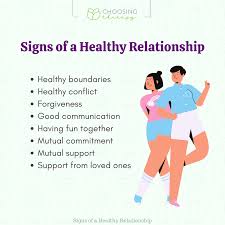
Maintaining Trust Over Time
Building trust isn’t a one-time event. It’s a steady process. It happens over days, weeks, and years.
When trust breaks, it feels terrible. You want to fix it. You want to feel secure again.
This guide helps you understand how trust grows. It also shows you how to keep it strong.
Maintaining trust over time involves consistent, honest actions and clear communication. It requires showing reliability, empathy, and accountability in all interactions, fostering a strong foundation for enduring relationships and mutual respect.
The Building Blocks of Trust
Trust is a feeling. It’s a belief in someone. You believe they are good.
You believe they will do the right thing. This belief doesn’t appear from nowhere. It’s built from small things.
These small things add up. They create a strong picture. This picture shows reliability.
It shows good intent.
Think about a friend. You trust them. Why?
Maybe they always listen. Maybe they keep your secrets. Maybe they show up when they say they will.
These are the tiny bricks. Each brick is a good deed. Each brick is honest talk.
Together, they build a wall. This wall is your trust.
On the flip side, trust can be lost. One bad action can shake it. A lie can crack it.
Broken promises can shatter it. It’s like a delicate vase. Once broken, it’s hard to make it perfect again.
You can try to glue it. But the cracks often show. They remind you of what happened.
So, how do we build this strong wall? It starts with knowing yourself. What are your values?
What do you stand for? When you know this, your actions match. This consistency is key.
People see you’re real. They see you mean what you say.
Why Trust Matters So Much
Trust is the glue. It holds everything together. Think about your life.
Your family, your job, your friendships. All these rely on trust. Without it, things fall apart.
Imagine working with someone you don’t trust. It’s stressful. You watch everything they do.
You doubt their motives.
In families, trust means you feel safe. You know you’re loved. You know you can share your fears.
You know you can make mistakes. Your family will still support you. This deep safety comes from trust.
It allows for open hearts. It allows for real connection.
At work, trust is vital. It helps teams work well. When you trust your boss, you’re more likely to follow their lead.
When you trust your colleagues, you share ideas freely. You help each other. This makes the whole team better.
It makes the work more enjoyable too.
Even in small interactions, trust matters. When you buy something, you trust the seller. You trust the product will work.
You trust they won’t cheat you. This trust makes life easier. It lets us move forward without constant worry.
The absence of trust is heavy. It breeds suspicion. It creates distance.
It makes everything harder. It drains energy. People spend a lot of time and effort dealing with mistrust.
This energy could be used for good things. It could be used for growth. It could be used for happiness.
My Own Experience: The Coffee Shop Mishap
I remember one time, I was meeting a new client. It was a big deal. I arrived early to a coffee shop.
I ordered my usual black coffee. The barista seemed new. She seemed a bit flustered.
I paid and sat down. I waited. And waited.
My coffee never came. The shop got busy. My client arrived.
I felt my stomach drop. I had to go back to the counter. I saw my unmade coffee sitting there.
I felt a wave of annoyance. And a bit of embarrassment. I’d been there for ages.
I’d trusted them to make my drink. It wasn’t a huge problem, right? Just coffee.
But it stuck with me. For a while, I avoided that shop. It felt like a small betrayal.
They let me down. Even though they probably just forgot. This showed me how quickly trust can slip.
Even in small things. It made me think about my own habits. Do I ever “forget” things?
Do I let people down, even a little?
That small event made me more aware. I started paying more attention. To how I communicate.
To how I follow through. I wanted to be the person people could count on. Even for small things.
Because those small things build up. They build the big things.
Key Actions for Building Trust
Be Honest: Always tell the truth. Even when it’s hard.
Be Reliable: Do what you say you will do. Show up on time.
Be Consistent: Your actions should match your words, every time.
Be Open: Share your thoughts and feelings when appropriate.
Be Accountable: Own your mistakes. Apologize sincerely.
The Role of Communication in Trust
Communication is not just talking. It’s also listening. Good communication builds bridges.
Bad communication builds walls. When you talk with someone, do you really hear them? Or are you just waiting to speak?
Active listening is key. This means paying full attention. It means nodding.
It means asking questions. It means not interrupting. You show the other person they matter.
You show you care about their words. This builds immense trust. They feel understood.
Clear communication is also vital. Avoid fuzzy words. Be direct but kind.
Say what you mean. And mean what you say. If you promise something, be specific.
“I’ll get that done soon” is weak. “I’ll have that report to you by Friday afternoon” is strong. It sets clear expectations.
Honesty in communication is non-negotiable. If you made a mistake, say so. Don’t try to hide it.
Don’t blame others. Taking responsibility shows maturity. It shows integrity.
This builds far more trust than trying to pretend everything is perfect.
Vulnerability in communication helps too. Sharing your own struggles or fears can make others feel closer to you. It shows you’re human.
It gives them permission to be human too. This deepens connection. It strengthens bonds.
The opposite of this is also true. If you are vague, if you never admit fault, if you always interrupt, people won’t trust you. They will feel confused.
They will feel ignored. They will feel unsafe sharing things with you.
Consistency: The Unsung Hero of Trust
Imagine a friend who is kind one day. Then grumpy and mean the next. You wouldn’t know how to act.
You’d feel uncertain. This is what happens when someone is inconsistent.
Consistency is about predictability. People feel safe when they know what to expect. If you are always helpful, people trust you to be helpful.
If you always return calls promptly, people trust you to do so. This creates a sense of stability.
This applies to promises too. If you make a promise, and you keep it, your reliability grows. If you break promises, even small ones, your reliability shrinks.
It’s like chipping away at a sculpture. Each broken promise removes a piece. Eventually, there’s not much left.
Consistency also means your values stay the same. If you stand for honesty, you must act honestly always. If you care about people, you must show that care often.
When your actions align with your stated values, people see you as genuine. They see you as someone they can rely on.
In the workplace, this is huge. A manager who is fair today and unfair tomorrow creates chaos. An employee who works hard one week and slacks off the next erodes confidence.
Consistency builds a foundation of dependable performance and character.
This can be hard work. Life throws curveballs. We all have bad days.
But the effort to be consistent, to show up as your best self most of the time, is what builds lasting trust. It shows dedication. It shows commitment.
Building Trust: A Quick Scan Table
| Action | Impact on Trust | Example |
|---|---|---|
| Keeping a promise | Builds strong trust | Returning a borrowed tool on time |
| Admitting a mistake | Increases trust | Saying “I’m sorry, I missed that deadline” |
| Being reliable | Deepens trust | Always being on time for meetings |
| Gossiping | Destroys trust | Sharing private information about a coworker |
| Being vague | Weakens trust | Saying “I’ll help when I can” without details |
The Power of Empathy and Understanding
Empathy is the ability to feel what another person feels. Or at least, to understand their feelings. When you show empathy, you’re saying, “I see you.
I understand your pain.” This is a powerful trust-builder.
Imagine you’re upset about something at work. Your colleague just says, “Oh, get over it.” That’s not empathy. Now imagine a colleague says, “That sounds really tough.
I can see why you’re upset.” That’s empathy. It makes you feel heard and validated.
Understanding someone’s perspective is part of empathy. Even if you don’t agree, you can try to see where they’re coming from. “I understand you feel that way because of X.
I see your point.” This doesn’t mean you’re agreeing with them. It means you’re respecting their viewpoint. This respect builds trust.
In parenting, empathy is crucial. When a child is crying, understanding their fear or frustration is key. Simply telling them to stop crying doesn’t work.
Validating their feelings does. “I know you’re sad because your toy broke.” This builds trust with the child.
In customer service, empathy can turn a bad experience around. A customer is angry. The service person listens.
They say, “I understand this has been very frustrating for you.” They show they get it. This can defuse anger. It can rebuild trust.
Empathy requires you to step outside yourself. You have to think about the other person’s world. It takes practice.
It takes patience. But the rewards in terms of trust and connection are enormous. People want to be around those who “get” them.
Accountability: Owning Your Actions
Mistakes happen. Everyone makes them. What separates people is how they handle them.
Accountability is taking ownership. It’s not making excuses. It’s not blaming others.
When you mess up, the best thing to do is own it. Say, “I made a mistake. I’m sorry.” A sincere apology goes a long way.
It shows you respect the other person. It shows you value the relationship more than being right.
Think about a time you apologized and meant it. How did that feel? It probably felt better than being angry or defensive.
And the other person likely felt respected. They saw you were willing to be vulnerable and admit fault.
Accountability also means fixing the mistake if possible. If you broke something, offer to repair or replace it. If you missed a deadline, work extra hard to catch up.
Actions speak louder than words. Showing you’re willing to make amends is powerful.
When someone consistently avoids accountability, trust erodes fast. You learn you can’t count on them. You learn they will always look for a way out.
This makes you wary. You stop relying on them. You stop confiding in them.
It’s about integrity. Integrity means doing the right thing, even when no one is watching. It means standing by your actions.
It means being a person of your word. This is the bedrock of lasting trust.
When Trust is Tested: Scenario Insights
Scenario 1: A Missed Deadline
Normal Response: Buyer remorse, slight worry.
Concerning Response: Constant avoidance, blaming others, no apology.
Scenario 2: Miscommunication
Normal Response: Clarification, seeking understanding.
Concerning Response: Anger, assuming bad intent, shutting down dialogue.
Scenario 3: Small Error
Normal Response: Quick correction, apology.
Concerning Response: Defensiveness, denial, making it a bigger issue.
Navigating Trust in Different Relationships
Trust looks a little different in different areas of life. But the core principles remain the same. It’s about building a foundation and keeping it strong.
Friendships: In friendships, trust often grows from shared experiences. Hanging out, having fun, supporting each other through tough times. It’s about loyalty and being there.
A friend you can always call, no matter what, is a trusted friend.
Family: Family trust can be complex. It often starts from childhood. It’s built on a sense of belonging and unconditional love.
But it can be damaged by conflict or broken promises. Rebuilding family trust requires patience and a willingness to forgive and be forgiven.
Work: At work, trust is about competence and reliability. Can your colleagues count on you to do your job? Do you work well with others?
It’s also about professional integrity. Do you share credit? Do you speak respectfully about others?
Romantic Relationships: This is where trust is often the most intense. It involves honesty about feelings, fidelity, and shared goals. Open communication and vulnerability are paramount.
Betrayal in romantic relationships can be devastating.
Online Interactions: In the digital world, trust is harder to build. We rely on reputation, reviews, and cautious communication. We must be more vigilant about verifying information and people.
Trust takes longer to earn online and can be lost instantly.
No matter the relationship, trust is a choice. It’s a choice we make every day through our actions. It’s a choice others make about us, based on those actions.
When Trust is Broken: The Path to Repair
Sometimes, trust breaks. It might be a small crack or a total collapse. The desire to repair it is strong.
But it’s a journey, not a quick fix.
The first step is often acknowledging the hurt. If you are the one who broke trust, you must see the damage. You need to understand how your actions affected the other person.
This takes listening without getting defensive.
Then comes a sincere apology. This isn’t saying “I’m sorry if you were offended.” It’s saying “I’m sorry for what I did. I know it hurt you.” It’s taking full responsibility.
It’s showing remorse.
Next is consistent effort to rebuild. This takes time. It requires proving through your actions that you’ve changed.
It means showing you’ve learned from the mistake. The person who was hurt needs to see reliability. They need to see a new pattern of behavior.
Patience is vital. The hurt person may not trust you immediately. They may be wary.
They may test you. This is normal. You need to be patient and continue showing up.
Your consistency over time is what heals the breach.
Sometimes, despite best efforts, trust cannot be fully restored. People have different boundaries. Some hurts are too deep.
In these cases, acceptance might be the only path forward. But always try. Always strive to mend what is broken, if possible.
Signs Trust is Strong
Openness: People share freely without fear.
Comfort: You feel relaxed and safe around them.
Assumption of Good Intent: You believe they mean well.
Resilience: Minor issues don’t break the bond.
Support: They have your back, and you have theirs.
What This Means For You
So, what’s the takeaway? How do you apply this in your life?
For Yourself: Be the person you want to trust. Live your values. Be honest with yourself and others.
Own your mistakes. Be reliable. These habits build your own sense of integrity.
In Relationships: Focus on clear, honest communication. Listen more than you speak. Show empathy.
Be consistent in your actions. When you mess up, own it. Show you care about the other person’s feelings.
In Your Community: Be a dependable neighbor. Be a fair colleague. Be a supportive friend.
Small acts of kindness and reliability add up. They create a ripple effect of trust.
It’s not about being perfect. It’s about being real. It’s about making a conscious effort.
Every day, you have opportunities to build or erode trust. Choose to build. Choose connection.
Choose integrity.
Quick Tips for Maintaining Trust
Here are some simple things you can do every day:
- Keep your word. If you promise something, do it.
- Communicate openly. Share your thoughts and feelings.
- Listen actively. Hear what others are really saying.
- Be punctual. Respect others’ time.
- Own your mistakes. Apologize sincerely.
- Be predictable. Let people know what to expect from you.
- Show appreciation. Thank people for their trust and support.
- Set boundaries. Healthy boundaries protect trust.
Frequently Asked Questions About Trust
How long does it take to build trust?
Building trust takes time. There’s no set number of days. It depends on many things.
Like the depth of the relationship. And the consistency of your actions. Small, consistent positive actions build trust faster than grand gestures.
Can you ever trust someone fully again after they break your trust?
It is possible. But it’s very hard. It requires huge effort from the person who broke trust.
And a lot of patience and willingness from the person who was hurt. It depends on the nature of the breach and the individuals involved. Some people can rebuild it stronger.
Others find it impossible.
What if someone else’s lack of trust makes me feel bad?
It’s natural to feel hurt or frustrated. If you believe you’ve acted with integrity, try to understand their concern. You can calmly explain your actions.
However, you can’t force someone to trust you. Focus on your own consistent behavior. Sometimes, time and evidence are the only healers.
Is it okay to be vulnerable to build trust?
Yes, absolutely. Being vulnerable means showing your true self, including your flaws and feelings. This can deepen connection.
It shows you trust the other person. When done appropriately, it can significantly boost trust in a relationship. But choose your moments wisely.
How do I know if I am trustworthy?
Consider your actions. Do your actions match your words? Do you keep promises?
Do you admit when you are wrong? Are you reliable? Do people feel safe confiding in you?
Your reputation and how others react to you are good indicators.
What is the biggest mistake people make when trying to build trust?
Often, it’s inconsistency. People might be trustworthy for a while, then let things slide. Or they might say one thing and do another.
Another big mistake is not apologizing sincerely when they mess up. They might make excuses instead of taking responsibility. This signals they don’t value the trust.
Conclusion: Trust is a Living Thing
Trust isn’t a static object. It’s alive. It needs care and attention to thrive.
Think of it like a garden. You have to plant good seeds. You have to water it.
You have to pull weeds. With consistent care, it flourishes. Without it, it wilts.