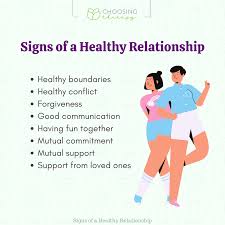
Relationship Check In Questions
Regularly asking each other thoughtful questions can significantly boost relationship connection. These check-ins help partners understand evolving needs, feelings, and dreams, fostering intimacy and preventing misunderstandings. It’s about active listening and showing genuine care.
Understanding the Need for Relationship Check-Ins
Think about it like this: a car needs regular maintenance, right? You change the oil, check the tires, and make sure everything is running smoothly. Our relationships are no different.
They need care and attention to keep them running well. Without it, small issues can grow into bigger problems over time. We change as people.
Our jobs change, our families change, our dreams can change. If we don’t communicate these changes to the person closest to us, they might not understand why we’re acting a certain way. This can lead to distance and even conflict.
Regular check-ins are your relationship’s “oil change” and “tire check” all rolled into one. They are proactive ways to keep your connection strong and healthy. They help you both feel seen, heard, and valued.
This isn’t about catching your partner doing something wrong. It’s about growing together.
When we first get into a relationship, everything is new and exciting. We want to know everything about each other. We ask tons of questions.
But over time, it’s easy to fall into a routine. We assume we know everything about our partner. We stop asking the deep questions.
We might talk about our day, but do we talk about our hopes? Do we talk about our fears? This is where relationship check-ins become vital.
They are a deliberate practice. They ensure that you continue to learn about each other. They help you navigate life’s challenges as a team.
And they help you celebrate life’s joys together, truly understanding what they mean to each other. It builds a foundation of trust and open communication that is hard to shake.
Why Simple Questions Work Wonders
It might seem too simple, but asking good questions is a powerful tool. It shows you care. It shows you are interested.
It opens up conversations that might not happen otherwise. These aren’t trick questions. They are invitations.
They invite your partner to share their inner world with you. When someone feels invited to share, they usually do. This sharing creates intimacy.
It builds a sense of closeness and belonging. Think about a time someone truly listened to you. How did that make you feel?
Probably understood and valued. That’s the magic of good questions and good listening. You’re not just asking to get information.
You’re asking to connect.
Many couples worry about “rocking the boat.” They don’t want to bring up sensitive topics. They fear it might lead to an argument. But often, not talking about things is what causes the most damage.
Small worries can fester. Unspoken needs can lead to resentment. Thoughtful questions, asked with kindness and curiosity, can actually prevent these issues.
They create a safe space. This space allows for honest sharing. It allows for vulnerability.
And vulnerability is the bedrock of true intimacy. So, don’t be afraid to ask. Be brave and open your heart to what your partner has to say.
You might be surprised by the depth of connection you uncover.
Personal Experience: The Time the Silence Got Loud
I remember one particular evening, maybe a year into my serious relationship. We were sitting on the couch, watching a show. It was a comfortable silence, the kind you’d expect after a long day.
But this time, it felt different. It felt heavy. I looked over at my partner, and while they were smiling at the TV, I felt a strange disconnect.
It was like we were in the same room, but miles apart. I realized we hadn’t had a real, deep conversation in weeks. We talked about work, about groceries, about who was picking up dinner.
But we weren’t talking about our dreams, our worries, or how we were really feeling. That silence felt so loud, and it made me feel a little scared. Was I missing something?
Was he missing something?
That night, I felt a pang of annoyance, followed by a wave of anxiety. I’d always considered myself good at communicating, but in that moment, I felt lost. We were drifting, not because of any big fight, but because of a lack of intentional connection.
The easy, everyday chat had
Connection Boosters: Quick Wins
Daily Check-In: Ask “What was the best/worst part of your day and why?” for 5 minutes each evening.
Weekly Deep Dive: Set aside 30 minutes weekly. Pick one question from our list and discuss it openly.
Active Listening: When your partner speaks, put down your phone. Make eye contact. Nod.
Try to understand, not just respond.
“I Feel” Statements: Frame your thoughts around your feelings. “I feel worried when.” instead of “You always.”
No Judgment Zone: Create a space where both of you feel safe sharing anything, without fear of criticism.
Relationship Check-In Questions: Building Deeper Bonds
The right questions can open up whole new worlds for you and your partner. They help you see each other with fresh eyes. They remind you why you fell in love in the first place.
These questions aren’t meant to be an interrogation. They’re a gentle exploration. They are an invitation to share what’s on your mind and in your heart.
Start with curiosity. Approach each question with a desire to learn, not to critique. This sets the stage for a positive and productive conversation.
Remember, the goal is to connect, not to correct.
When you ask these questions, try to do it when you both have time and energy. Don’t ask when one of you is rushing out the door or exhausted from work. Pick a relaxed moment.
Maybe over a quiet dinner, during a leisurely walk, or just while cuddling on the couch. The setting can make a big difference. It should feel comfortable and safe.
Let your partner know you’re asking because you care and want to understand them better. This small preface can make them feel more open and receptive.
Questions About Current Feelings and Well-being
These questions help you tap into your partner’s present state of mind. They are great for understanding their daily emotional landscape. They show you’re attuned to their well-being.
General Mood & Happiness
“How are you really feeling today?”
This is more than a greeting. It’s an invitation to share their deeper emotions. If they say “good,” you can follow up gently: “That’s great to hear!
What’s making you feel good today?”
“What’s bringing you joy right now?”
Focusing on joy highlights the positive aspects of their life. It helps you celebrate their happiness with them. It could be something big or small.
“Is there anything on your mind that’s bothering you?”
This is a gentle way to ask about worries or stress. It shows you’re there to listen without pressure.
Stress & Energy Levels
“How’s your energy level today?”
Understanding their energy helps you know when they might need rest or support. It also shows you’re thinking about their physical state.
“What’s one thing that would make your day easier right now?”
This question offers practical support. It lets them voice a need, and you can see if you can help meet it.
“Are you feeling overwhelmed by anything?”
This probes deeper into stress. It gives them a chance to voice concerns before they become too much.
The Power of “Why”
What it is: Asking “why” after your partner shares a feeling or thought.
Why it works: It shows genuine curiosity and a desire to understand their perspective. It moves beyond surface-level chat.
Example: Partner: “I’m feeling a bit anxious today.” You: “Oh? Why are you feeling anxious?”
Caveat: Ask kindly, not accusingly. The tone is everything!
Questions About Dreams, Goals, and Aspirations
People evolve. Their dreams can change. Asking about these helps you stay in sync with your partner’s future vision.
It shows you support their growth.
Personal Growth & Future
“What’s one thing you’ve learned recently that excites you?”
This focuses on learning and growth. It shows you value their intellectual or personal development.
“What’s a goal you’re working towards right now?”
This helps you understand their current ambitions. You can then offer support or encouragement.
“If you could do anything for a week, what would it be?”
This is a fun, imaginative question that reveals hidden desires or needs for escape and adventure.
Career & Passion
“What’s something you’re passionate about outside of our relationship?”
This acknowledges their individual interests. It shows you value them as a whole person, not just as your partner.
“Is there a skill you’d like to learn or improve?”
This can spark ideas for shared activities or personal development paths.
“How do you feel about where your career is heading?”
This addresses a significant part of many people’s lives. It allows them to share concerns or excitement about their professional path.
Goal Alignment: Quick Scan Table
| Area | Question Example | Why It Matters |
|---|---|---|
| Personal Growth | What skill do you want to learn? | Shows support for individual development. |
| Career | How do you feel about your job? | Opens dialogue on a major life aspect. |
| Fun/Hobby | What do you do for fun? | Reminds you both to prioritize enjoyment. |
| Future Vision | Where do you see yourself in 5 years? | Helps you plan and dream together. |
Questions About the Relationship Itself
These are crucial for assessing the health of your connection. They are direct but should always be asked with care and a willingness to listen to the answer.
Connection & Intimacy
“What makes you feel most loved by me?”
This is a direct way to learn your partner’s love language. It’s incredibly valuable.
“Is there anything we could do to feel closer?”
This invites them to suggest improvements or new ways to connect.
“What’s your favorite memory of us together?”
Recalling positive memories reinforces the strength and history of your bond.
Communication & Conflict
“How do you feel about our communication lately?”
This opens the door to discussing how you talk to each other, especially during tough times.
“When we disagree, what do you need from me?”
This helps you understand their needs during conflict, leading to more constructive arguments.
“Is there anything we need to talk about that we haven’t?”
This is a direct prompt for unspoken issues. It’s important to be ready to hear the answer.
Shared Life & Future
“What’s one thing you appreciate about our life together?”
Focuses on gratitude for the shared journey.
“Are there any big decisions we need to make soon?”
Checks for alignment on future plans or significant life changes.
“What does ‘success’ look like for us as a couple?”
Helps define shared values and long-term relationship goals.
Myth vs. Reality: Relationship Check-Ins
Myth: Asking questions means there’s a problem.
Reality: Asking questions is a sign of a healthy, proactive relationship. It’s about growth and connection, not just problem-solving.
Myth: We should know everything about each other already.
Reality: People change. Life happens. Regular check-ins ensure you stay updated on each other’s evolving selves.
Myth: Deeper questions will always lead to arguments.
Reality: If asked with empathy and listened to with an open heart, deeper questions build trust and understanding, often preventing arguments.
Myth: We can only do one big check-in per year.
Reality: Small, frequent check-ins throughout the week are often more effective than one big, overwhelming session.
Real-World Context: When to Ask What
The timing and context of your questions matter a lot. You wouldn’t ask someone about their deepest fears while they are driving in heavy traffic. You’d pick a calmer moment.
Think about the setting and your partner’s current mood.
Everyday Moments
During a quiet evening at home, you might ask:
“What was the most surprising thing that happened to you today?”
Or, while cooking dinner together:
“What’s one small thing I did today that you appreciated?”
These are casual and low-pressure, perfect for reinforcing daily connection.
Scheduled Time
For deeper questions about the relationship or future, it’s often best to schedule time. This shows respect for the topic and your partner’s attention. You could say:
“Hey, I was hoping we could chat for a bit this weekend. I wanted to check in about how we’re both feeling about things, and I have a few questions I’d love to ask you. Maybe Sunday afternoon?”
This gives them a heads-up and allows them to prepare mentally.
During Challenges
When facing a shared difficulty, questions can help you navigate it together. Instead of assuming, ask:
“How are you feeling about this situation?”
Or, if one partner seems distant:
“I’ve noticed you seem a bit quiet. Is everything okay? Is there anything you need from me right now?”
This shows empathy and a desire to support them through tough times.
Observational Flow: Building Connection
Start: Notice a small shift in your partner’s mood or energy.
Pause: Resist the urge to jump in with advice or your own thoughts.
Ask Gently: “Hey, you seem a little quiet. Is everything okay?”
Listen: Really hear what they say. Validate their feelings.
Offer Support: “What can I do to help?” or “I’m here for you.”
Reflect: “Thanks for sharing that with me. It means a lot.”
What This Means for You: Normal vs. Concerning
It’s important to know when a check-in reveals something normal, and when it might be a sign of a deeper issue. Most of what comes up in these conversations will be normal life experiences. Your partner might be stressed about work, excited about a new hobby, or simply tired.
When It’s Normal
If your partner expresses a desire for more alone time, that’s usually normal. Everyone needs space to recharge. If they talk about wanting to change careers, that’s a sign of growth and ambition.
If they express a fleeting worry about finances or a health concern, these are common life anxieties. The key here is how they communicate it and how you both respond. When concerns are shared openly and met with support, they strengthen the relationship.
When to Worry (and What to Do)
Persistent unhappiness, constant irritability, or a complete withdrawal from conversation can be concerning. If your partner seems consistently withdrawn, uninterested in shared activities, or express feelings of hopelessness, it’s worth paying attention. Similarly, if you notice a pattern of defensiveness, blame, or an unwillingness to communicate when you try to check in, this could signal trouble.
In these cases, it’s okay to say: “I’m worried about you. I’ve noticed , and I want to make sure you’re okay. Would you be open to talking about it more, or perhaps seeking some support together?”
If you’re consistently feeling unheard, unappreciated, or like you’re walking on eggshells, that’s a red flag. It means the communication isn’t working, and the dynamic may be unhealthy. If the issues feel too big to tackle alone, consider seeking professional help.
A therapist can provide tools and guidance to improve communication and address underlying problems. Remember, seeking help is a sign of strength, not weakness.
Simple Relationship Health Checks
Check 1: Shared Laughter. Do you still laugh together easily? If not, why?
Check 2: Future Talk. Do you talk about future plans, even small ones? Or does the future feel uncertain?
Check 3: Support System. Do you feel your partner supports your individual goals? Do they feel you support theirs?
Check 4: Conflict Resolution. When you disagree, do you feel you can work through it, or does it lead to long silences or big fights?
Check 5: Physical Affection. Is there still a comfort level with touch, hugs, or closeness?
Quick Fixes & Tips for Better Check-Ins
Making check-ins a habit doesn’t have to be a chore. Here are some simple tips to make the process smoother and more rewarding.
Make it a Routine
Schedule it. If you don’t plan it, it often won’t happen. Set a recurring reminder on your phone for a weekly “connection time.” Even 15-20 minutes can make a huge difference.
Treat it like any other important appointment.
Start Small
Don’t try to tackle every deep question at once. Begin with one or two simple questions from the “Current Feelings” section. Build up to more complex topics as you both get comfortable.
Listen More Than You Talk
This is probably the most important tip. When your partner is speaking, focus on understanding their words and emotions. Avoid interrupting.
Resist the urge to problem-solve immediately unless they ask for it. Your presence and attention are often the most valuable gifts.
Be Vulnerable Too
Share your own feelings and thoughts openly. This creates a two-way street. If you expect your partner to be vulnerable, you need to be willing to be vulnerable yourself.
This builds trust and encourages reciprocity.
Practice Active Listening
This means more than just hearing. It involves nodding, making eye contact, and summarizing what you’ve heard to ensure understanding. You can say things like, “So, if I’m hearing you right, you’re feeling.” This confirms you’re engaged.
Keep it Positive and Encouraging
Frame your questions with curiosity and love. Your tone of voice, body language, and choice of words matter. If you approach check-ins with a positive attitude, they are more likely to be productive.
Don’t Force It
If your partner is having a terrible day and just needs to vent or be quiet, don’t force a deep conversation. Sometimes, the best check-in is just being present and offering quiet support. You can always try again another time.
Quick Tips Summary
Routine: Schedule it weekly.
Start Small: One question is better than none.
Listen First: Hear them out completely.
Share Back: Be open about your own feelings.
Confirm: Repeat back what you heard.
Kind Tone: Speak with love and curiosity.
Be Flexible: Don’t force it when they’re not up for it.
Frequently Asked Questions
How often should couples check in with each other?
There’s no single answer, but frequent, shorter check-ins are often more effective than rare, long ones. Aim for daily brief check-ins (e.g., “How was your day?”) and a more dedicated weekly or bi-weekly session (15-30 minutes) for deeper questions about feelings, dreams, and the relationship itself.
What if my partner doesn’t like answering questions?
Start by explaining why you want to ask. Frame it as wanting to connect and understand them better. Begin with very light, low-pressure questions about their day.
If they are still resistant, don’t push. Instead, focus on showing them you’re interested by actively listening when they do talk and by sharing your own feelings first. Over time, they may become more comfortable.
Can I use these questions with a new partner?
Yes, but with caution and at a pace that feels natural for both of you. For new relationships, focus on lighter questions about interests, hobbies, and everyday experiences. As trust builds, you can introduce questions about values, dreams, and what they’re looking for in a relationship.
Avoid overly intense questions too early on.
What if the answers make me uncomfortable?
It’s natural to feel uncomfortable sometimes. The goal is not always agreement, but understanding. If an answer makes you uncomfortable, acknowledge your feeling and try to understand their perspective.
You can say, “That makes me feel a little , because . Can you tell me more about why you feel that way?” If it’s a recurring issue, it might require a more in-depth conversation or professional help.
How do I avoid sounding like I’m interrogating my partner?
Tone and context are key! Ask questions out of genuine curiosity and love, not suspicion or demand. Make sure the setting is relaxed and you both have time.
Use phrases like, “I was just wondering.” or “I’m curious about.” and be sure to share your own thoughts and feelings in return. It should feel like a conversation, not an interview.
What if my partner asks me questions I don’t want to answer?
It’s okay to set boundaries. You can say, “That’s something I’m not ready to talk about right now, but I appreciate you asking,” or “Can we revisit that later?” Ensure your boundaries are respected, but also reflect on why you might be hesitant to answer certain questions, as that can be a clue about your own needs or concerns.
Conclusion: The Ongoing Journey of Connection
Building and maintaining a strong, connected relationship is a continuous journey. It’s not about having perfect conversations every time, but about making the effort to understand each other. These questions are tools to help you on that path.
They are invitations to a deeper intimacy. By regularly checking in, you nurture your bond. You ensure that you and your partner continue to grow together, understanding and cherishing each other’s evolving selves.
Keep asking, keep listening, and keep connecting. Your relationship will thank you for it.