Strengthening Emotional Bonds
Strengthening emotional bonds involves consistent effort in understanding, communicating, and supporting each other. Key elements include active listening, showing empathy, spending quality time, and building trust through honesty and reliability. Focusing on shared experiences and mutual respect fosters deeper connections that endure.
What Makes Emotional Bonds Strong?
Emotional bonds are the invisible threads that tie us to others. They are feelings of closeness and connection. These bonds are vital for our well-being. They help us feel safe and loved. Strong bonds don’t just happen by chance. They are built over time with care and attention. Think of it like tending a garden. You need the right conditions and regular watering.
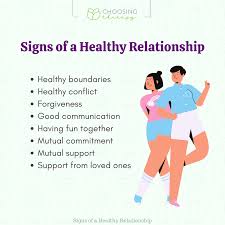
Several factors play a big role. These include trust, respect, and a sense of security. When you trust someone, you feel you can be yourself. You don’t have to pretend. Respect means valuing the other person’s thoughts and feelings. Security comes from knowing someone has your back. It’s about feeling safe to be vulnerable.
Shared experiences also create powerful bonds. Doing things together, big or small, builds a history. These memories become part of your shared story. They create a sense of “us.” This feeling of togetherness is a cornerstone of strong emotional ties. It’s what makes relationships feel special and lasting.
My First Real Scare With a Fraying Bond
I remember a time a few years back. My best friend, Sarah, and I had been inseparable since high school. We told each other everything. But then, life got hectic. I started a new, demanding job. Sarah was dealing with some family issues. Our calls became shorter. Texts replaced long talks. I didn’t think much of it at first. Life happens, right?
Then came Sarah’s birthday. I meant to get her a special gift. I spent so long at work, I ended up buying a generic gift card at the last minute. When I gave it to her, her smile felt a little strained. Later, she mentioned someone else had gotten her something she’d been wanting for months. A knot formed in my stomach. I realized I hadn’t been listening. I hadn’t been truly present in her life lately.
That night, lying in bed, I felt a pang of real fear. Was our friendship just drifting apart? The thought was unbearable. It hit me hard. I had let the daily grind erode something precious. I had taken our connection for granted. It was a wake-up call. I knew I had to actively work on strengthening emotional bonds again, starting with Sarah.
Key Ingredients for Strong Bonds
Building strong emotional connections requires more than just being around people. It needs active participation. Here are some core components:
- Trust: Believing in someone’s honesty and good intentions.
- Empathy: Understanding and sharing the feelings of another.
- Support: Being there through good times and bad.
- Open Communication: Sharing thoughts and feelings freely.
- Quality Time: Making time for meaningful interaction.
- Respect: Valuing differences and individual worth.
The Role of Communication in Connection
Communication is the lifeblood of any relationship. When we talk and listen well, our bonds grow stronger. It’s not just about speaking. It’s also about truly hearing what the other person is saying. This is often called active listening. It means paying full attention. You put away distractions. You try to understand their perspective.
When you listen actively, you show the other person they matter. You value their thoughts. This builds trust and respect. It makes them feel seen and heard. This is a huge part of strengthening emotional bonds. It shows you care enough to make an effort.
Open communication also means being able to share your own feelings. This can be hard sometimes. We might worry about being judged or misunderstood. But when you are brave enough to be open, it creates a safe space. The other person feels they can do the same. This creates a deeper level of intimacy. It fosters a real connection.
Active Listening Tips
Want to be a better listener? Try these:
- Nod and make eye contact. This shows you’re engaged.
- Avoid interrupting. Let them finish their thoughts.
- Ask clarifying questions. “Can you tell me more about that?”
- Summarize what you heard. “So, if I understand right, you’re feeling.”
- Put away your phone. Give them your undivided attention.
The Power of Shared Experiences
We often bond over shared moments. Think about inside jokes. Or memories of a trip you took together. These are the building blocks of a shared history. They create a unique connection. No one else can quite understand them like you can. This shared tapestry is incredibly powerful.
Doing new things together is also a great way to build bonds. Trying a new hobby. Or exploring a new place. These experiences create new memories. They can also reveal different sides of people. You might learn how they handle challenges. Or how they react to novelty. This understanding deepens the connection.
Even small, everyday moments can strengthen bonds. Sharing a meal. Or watching a movie together. It’s about being present with each other. It’s about creating these small pockets of connection. These moments add up. They weave a strong fabric of togetherness. This is fundamental to strengthening emotional bonds over the long haul.
Fun Shared Activities
Here are some ideas to create shared moments:
- Cook a new recipe together.
- Go for a hike or nature walk.
- Visit a museum or art gallery.
- Have a themed movie night.
- Play board games or card games.
- Volunteer for a local cause.
Navigating Conflict and Building Resilience
No relationship is without its disagreements. Conflict is normal. What matters is how you handle it. Disagreements can actually make bonds stronger. If they are handled well. They become opportunities to learn. You learn more about each other. You learn how to compromise.
When a conflict arises, try to stay calm. Focus on the issue, not the person. Avoid personal attacks. Use “I” statements. For example, say “I feel hurt when.” instead of “You always.” This helps explain your feelings without blaming. It’s about expressing your needs.
After a disagreement, it’s important to reconnect. Apologize if you were wrong. Forgive the other person. Reaffirm your commitment to the relationship. This shows that the bond is more important than the argument. This resilience is key to strengthening emotional bonds and making them last through tough times.
Conflict Resolution Steps
When you face a disagreement:
| Do This | Avoid This |
| Listen without interrupting. | Interrupting or talking over them. |
| Use “I” statements. | Using “You” statements that blame. |
| Focus on the behavior, not the person. | Making personal insults. |
| Seek understanding. | Trying to “win” the argument. |
| Find common ground. | Digging in your heels. |
| Apologize sincerely if needed. | Giving a fake or conditional apology. |
The Foundation of Trust and Vulnerability
Trust is perhaps the most critical element. It’s the bedrock upon which strong emotional bonds are built. Trust means believing in the other person’s integrity. It means knowing they will act with your best interests at heart. This trust is earned over time. It’s built through consistent actions.
Being reliable is a big part of trust. If you say you’ll do something, do it. If you promise to be somewhere, be there. These small acts of dependability add up. They show you are a person of your word. This builds a sense of security in the relationship. It helps foster strengthening emotional bonds.
Vulnerability is closely linked to trust. To truly connect, we need to be willing to show our true selves. This means sharing our fears, our doubts, and our imperfections. It’s about letting someone see the real you, not just the polished version. When someone trusts you enough to be vulnerable with you, it’s a huge gift. You should honor that by being kind and supportive.
Building Trust: Small Steps, Big Impact
Focus on these actions:
Be Honest
Always tell the truth, even when it’s difficult.
Be Reliable
Follow through on your commitments.
Be Transparent
Share your intentions and feelings openly.
The Importance of Empathy and Support
Empathy is the ability to understand and share the feelings of another person. It’s like stepping into their shoes for a moment. When you show empathy, you validate their experience. You let them know they aren’t alone. This is a powerful way to deepen a connection.
Imagine a friend is going through a tough time. Simply saying “I understand” might not be enough. True empathy comes from trying to feel what they are feeling. It might involve acknowledging their pain. Or recognizing their struggle. “That sounds incredibly difficult,” you might say. Or, “I can see why you’re feeling so upset.”
Support goes hand-in-hand with empathy. It’s about being there for someone. It can be emotional support, like listening and offering comfort. It can also be practical support, like helping with tasks. Knowing you have someone to rely on during hard times is a huge comfort. It makes relationships feel secure and robust. It’s a crucial part of strengthening emotional bonds.
Showing Support: Simple Gestures
Here are some ways to show you care:
- Offer a listening ear. Just be there to hear them out.
- Ask how you can help. Don’t assume what they need.
- Be present. Sometimes just your company is enough.
- Offer encouragement. Remind them of their strengths.
- Respect their space. If they need time alone, give it to them.
Nurturing Bonds in Different Relationships
The principles for strengthening emotional bonds apply across various relationships. But the way we express them might look different.
Family Bonds
Family ties are often the first ones we experience. They can be complex. We share a history, sometimes a lot of history. Nurturing these bonds involves understanding family dynamics. It means accepting family members for who they are. Even when they are different from us. Regular contact is important. Shared traditions also play a big role.
For parents, showing consistent love and support is key. For adult children, showing respect and making time for parents matters. Even when living far apart, a phone call or video chat can make a difference. Recognizing each other’s needs as people, not just family roles, helps.
Friendships
Friendships are built on choice. We choose who we want in our lives. This makes them special. To strengthen friendships, prioritize quality time. Make an effort to stay in touch. Be a reliable friend. Celebrate their successes and be there for their struggles. Friendships thrive on mutual effort and genuine care.
Don’t let distance or busy schedules be an excuse. A quick text, a funny meme, or a planned video call can keep the connection alive. Being a good listener and offering honest, kind advice is also crucial. Friends are the family we choose, so cherish them.
Romantic Partnerships
Romantic relationships require deep commitment. They involve a unique blend of friendship, intimacy, and partnership. Open, honest communication is paramount. Regularly expressing affection, both verbally and physically, is vital. Make time for dates and shared activities. Work through challenges as a team.
Understanding your partner’s needs and showing appreciation for them is essential. Remember the things you first fell in love with. Keep the spark alive by trying new things together. Show that you value their presence in your life every day.
Relationship Check-Up
Ask yourself these questions about your important relationships:
- Do I feel heard and understood?
- Do I feel safe and supported?
- Do we spend meaningful time together?
- Do we communicate openly and honestly?
- Do I appreciate this person?
What Does This Mean for You?
Understanding how to build strong emotional bonds isn’t just academic. It has real impact on your life. Strong connections bring happiness. They provide support during tough times. They make life richer and more meaningful. You don’t need to be a psychologist to foster these bonds.
It’s about consistent effort. It’s about choosing to be present. It’s about showing you care. Even small actions can make a big difference. A kind word. A thoughtful gesture. Making time for someone. These are the bricks and mortar of lasting relationships.
When you invest in strengthening emotional bonds, you’re investing in your own well-being. You’re creating a network of support. You’re building a life filled with love and connection. It’s a worthwhile endeavor for anyone seeking a fulfilling life.
Quick Tips for Stronger Bonds
Here are some simple things you can start doing today:
- Practice active listening. Really hear what others are saying.
- Express appreciation. Tell people you value them.
- Be reliable. Keep your promises.
- Show empathy. Try to understand others’ feelings.
- Make time for connection. Even short interactions count.
- Be present. Put away distractions when you’re with others.
- Offer sincere compliments. Acknowledge their good qualities.
- Be forgiving. Let go of minor grievances.
Frequently Asked Questions
What is the fastest way to strengthen an emotional bond?
While there’s no true “fast” track for deep bonds, consistent, authentic effort is key. Focusing on active listening, showing genuine empathy, and being reliably supportive can accelerate the process. Shared vulnerability and open communication also create rapid closeness when done with trust.
Can you strengthen emotional bonds after a big fight?
Absolutely. Conflicts can be turning points. If handled constructively, they offer opportunities for growth. Focus on sincere apologies, understanding each other’s perspectives, and reaffirming commitment. This process can often lead to even stronger, more resilient bonds than before.
How important is physical touch in strengthening bonds?
Physical touch can be very important, especially in romantic partnerships and close family relationships. Hugs, holding hands, and other forms of affection release hormones like oxytocin. This “bonding hormone” promotes feelings of trust and connection. However, the comfort level with touch varies, so it’s important to be mindful of personal boundaries.
What if I feel like I’m always the one trying to strengthen the bond?
It’s a common concern. While relationships require effort from both sides, sometimes one person might naturally be more proactive. If you consistently feel like you’re the only one trying, it’s worth exploring with the other person. Openly and kindly express your feelings and needs. If the imbalance persists, it may indicate a deeper issue in the relationship.
How can I strengthen bonds with people I only see online?
Building bonds online requires different approaches. Prioritize regular, meaningful communication. Engage in video calls to get a better sense of non-verbal cues. Share personal thoughts and experiences, and be genuinely interested in theirs. Participating in shared online activities or games can also foster a sense of connection and create shared memories.
Is it possible to strengthen an emotional bond with someone I used to dislike?
Yes, it is possible, though it requires a significant shift and genuine effort from both sides. Begin by finding common ground or shared interests. Practice active listening and strive to understand their perspective without judgment. Small, consistent acts of kindness and respect can slowly chip away at past animosity and build a new foundation for a stronger bond.
Conclusion: The Ongoing Journey of Connection
Building and maintaining strong emotional bonds is a continuous, rewarding process. It’s not a destination but a journey. By focusing on empathy, trust, open communication, and shared experiences, you can nurture deep, meaningful connections. Remember that every small effort counts. Your relationships are worth the investment of your time and heart.