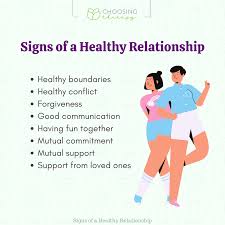
Daily Habits For Happy Couples
Happy couples often share simple, consistent daily routines. These habits aren’t grand gestures. They are small, everyday actions.
They show care, build trust, and deepen connection. They focus on communication, appreciation, and quality time. These practices help relationships thrive through life’s ups and downs.
The Foundation: Understanding What Makes Relationships Thrive
What really makes a relationship last and feel good? It’s not just about big events. It’s about the daily small stuff.
Think of it like building a house. You need a strong base. Then you add the walls, the roof.
Each piece matters. In a relationship, those small daily actions are like the bricks and mortar. They hold everything together.
They make the home feel safe and warm.
Many people think love is enough. Love is a wonderful feeling. It’s the start of something great.
But love needs to be shown. It needs to be nurtured. That’s where daily habits come in.
They are the proof of love. They show your partner they are valued. They show they are seen.
They show they are important.
When you build these habits, you create a cycle. You do something kind. Your partner feels good.
They respond with kindness. You both feel closer. This makes you want to do more kind things.
It’s a positive loop. It strengthens your bond over time. It’s not always easy.
Life happens. But the effort is worth it.
The goal is to create a relationship that feels good to be in. It should feel like a safe harbor. It should be a place of joy.
It should be where you can be yourselves. Daily habits are the pathway to this. They are practical tools.
They help you navigate challenges. They help you celebrate the good times.
We’ll look at things you can actually do. Things that fit into a busy life. No need for grand, expensive gestures.
Just simple, consistent actions. They focus on connection. They focus on mutual respect.
They focus on making each other feel loved. This is the heart of a happy relationship.
My Own “Uh Oh” Moment with Daily Habits
I remember a time, a few years back. My partner and I were going through a rough patch. Nothing huge, no big fights.
But it felt… off. We were living like roommates. We’d talk about chores.
We’d talk about schedules. But the warm, fuzzy connection was fading. I felt this creeping loneliness, even though they were right there.
One evening, I was sorting through mail. My partner came into the room. They just sighed.
They looked tired. I said something like, “Long day?” They just nodded. We sat in silence.
It wasn’t comfortable silence. It was heavy silence. I felt a pang of panic.
Was this it? Was this what our future looked like?
Later that night, I was scrolling online. I stumbled upon an article about relationship habits. It talked about small things.
Like a good morning text. Or a quick check-in during the day. Or just holding hands while watching TV.
It sounded so simple. Almost too simple. I felt a bit silly.
Were these really the keys?
But then I thought about it. How many days went by without a real “how are you?” How many times did we just text “got milk?” instead of a sweet message? It hit me.
We had let the small moments slip away. We were so busy doing life, we forgot to connect in life. That night, I decided to try.
Just one thing. A simple good morning text. The next morning, I sent it.
Their reply came back quickly. It had a smiley face. It felt like a tiny spark.
It was a start.
The Power of Small Daily Connections
Why do these small daily acts matter so much? They are like tiny deposits in your relationship bank account. Each one adds a little bit of value.
Over time, this account grows strong. It can handle withdrawals. Life will throw curveballs.
Work stress happens. Family issues arise. A strong relationship bank account helps you weather those storms.
Think about it. When someone notices something small you did and says “thank you,” how does that feel? It feels good, right?
It means you were seen. Your effort was recognized. This is true in relationships.
When your partner says “I appreciate you making dinner” or “Thanks for listening,” it means a lot. It shows they are paying attention. They see your contributions.
These acts also build trust. When you consistently show up for your partner, even in small ways, they learn they can count on you. This creates a sense of security.
They know you have their back. They know you care. This security is vital for intimacy.
It allows you both to be vulnerable.
Moreover, small daily habits prevent small issues from becoming big ones. If you can talk openly about your day, even for a few minutes, you can catch misunderstandings early. You can address minor annoyances before they fester.
This keeps the relationship healthy. It stops resentment from building up.
And let’s not forget about fun! Small daily moments can be fun. A silly joke.
A shared laugh over a meme. A quick dance in the kitchen. These moments break up the routine.
They remind you that you enjoy each other’s company. They keep the playfulness alive. This is a key ingredient for a happy, long-term partnership.
Daily Connection Boosters: Quick Wins
Morning Rituals: A simple “good morning” or a quick hug. It sets a positive tone for the day.
Midday Check-ins: A short text. “Thinking of you.” or “How’s your day going?”
Evening Unwind: Spend 10 minutes talking about your day. No phones. Just connecting.
Physical Touch: A hand squeeze. A pat on the back. A hug when you pass by.
Acts of Service: Doing a small chore for them. Making their coffee.
Morning Moments: Starting the Day Right
The first moments of the day can really shape how the next several hours feel. For couples, this is a prime opportunity. It’s a chance to connect before the world rushes in.
It doesn’t need to be long. Just a few intentional minutes.
One simple habit is a genuine “good morning.” Not just a mumbled sound. But looking at your partner. A smile.
A warm tone. Saying “Good morning, I love you” or “Hope you have a great day.” It’s basic, but powerful. It tells them they are the first thing on your mind.
Or at least one of the first.
Another idea is a brief touch. It could be a hug. A kiss on the forehead.
A hand squeeze. This physical connection releases oxytocin. This is the “bonding hormone.” It makes you feel closer.
It makes you feel more secure. Even a quick hug as you both get out of bed can make a difference.
Some couples like to share one good thing. It could be something small. “I’m excited about that coffee I’m going to have.” Or “I’m looking forward to seeing the dog later.” It starts the day on a positive note.
It trains your brain to look for the good.
What about a quick question? Something other than “Did you sleep well?” Maybe, “What are you looking forward to today?” Or “Is there anything I can do to help make your morning easier?” This shows you care about their well-being. You are a team.
Avoid starting the day with problems. Don’t bring up work stress or household issues immediately. Save those for later.
The morning is for connection. It’s about setting a positive, loving tone. It’s a small investment that pays big dividends throughout the day.
Morning Habit Ideas (Choose What Fits!)
- Eye Contact & Smile: Just see each other.
- Verbal Affirmation: “Good morning, beautiful/handsome.”
- Gentle Touch: Hug, kiss, or hand hold.
- Shared Gratitude: “I’m thankful for.” (one quick thing).
- Intentional Question: “What’s one good thing on your mind today?”
Midday Memos: Staying Connected When Apart
Many couples spend a good chunk of their day apart. Work, errands, family. It’s easy to feel disconnected.
But you can use technology. You can send little messages. These are like small anchors.
They keep you tethered to each other.
A simple text message can go a long way. “Thinking of you!” or “Hope your meeting went well!” or “Can’t wait to see you tonight.” These are brief. They take seconds to send.
But they signal that your partner is on your mind. They show you care even when you’re not together.
Some couples like to share a photo. It could be something funny you saw. Or a picture of your lunch.
Or just a quick selfie. It’s a way of saying, “This is my world, and I want you to be a part of it.” It bridges the distance.
Another idea is a quick phone call. If you have a break, call for a minute. Just to say hi.
To hear their voice. It’s more personal than a text. It can lift your spirits.
It can remind you of your connection.
What about planning something small for later? “Let’s grab ice cream after work.” Or “I’ll pick up your favorite snack on the way home.” This gives you both something to look forward to. It shows you’re thinking about making them happy.
It’s important that these messages feel genuine. Don’t send them just because you feel you should. Send them because you genuinely want to connect.
The intent behind the message matters. It’s about keeping the emotional warmth alive throughout the day. It’s about reminding each other that you’re a team.
Quick Midday Connection Ideas
Text Time: Send a quick “Thinking of you” message.
Photo Share: Send a picture of something interesting or funny.
Voice Note: Leave a short, sweet voice message.
Future Fun: Plan a small treat or activity for later.
Shared Song: Send a link to a song that reminds you of them.
Evening Engagement: Winding Down Together
The end of the day is another critical time. You’re both likely tired. Your energy levels are low.
This is when small habits can feel like too much effort. But they are also the most needed. This is when you reconnect after the day’s separation.
A dedicated time to talk is essential. Even just 10-15 minutes. Sit down.
Put your phones away. Ask each other, “How was your day?” Listen actively. Try to understand their experience.
Share your own. This is not about solving problems. It’s about sharing your lives.
It’s about empathy.
What if you’re too tired to talk much? That’s okay. Sometimes, just being in the same space is enough.
Read side-by-side on the couch. Watch a show together. Hold hands.
The physical presence can be comforting.
Expressing appreciation is also key. “Thank you for making dinner tonight.” Or “I really appreciate you taking care of that chore.” Or “You handled that difficult situation at work really well.” Acknowledging your partner’s efforts and strengths makes them feel valued. It reinforces their positive contributions.
It’s also a good time to address small conflicts. If something minor bothered you, bring it up gently. “Hey, I felt a little upset when X happened.
Can we talk about it?” Doing this early prevents bigger fights. It shows you value open communication.
And don’t forget about intimacy. This doesn’t always mean sex. It can be a long hug.
Cuddling in bed. A deep conversation. Physical closeness, in whatever form it takes, reinforces your bond.
It reminds you that you are partners. You are lovers.
The goal for the evening is to transition from individual days to shared partnership. It’s about winding down together. It’s about creating a sense of calm and connection before sleep.
This can significantly improve the quality of your rest and your overall relationship satisfaction.
Evening Wind-Down Strategies
Dedicated Talk Time: 10-15 minutes of sharing your day, phones off.
Comfortable Co-existence: Sit together, read, watch TV, or just be near each other.
Verbal Appreciation: “I appreciate you.” followed by a specific action or quality.
Gentle Conflict Resolution: Address small issues before they grow.
Affectionate Touch: Hugs, cuddles, or simply holding hands.
The Art of Active Listening
Active listening is more than just hearing words. It’s about truly understanding what your partner is saying. It’s about showing them you are engaged.
It’s a skill. And like any skill, it gets better with practice. For happy couples, it’s a non-negotiable habit.
What does active listening look like? First, you give your full attention. This means turning off the TV.
Putting down your phone. Turning to face your partner. Making eye contact.
It signals that they are your priority in that moment.
Second, you listen to understand, not to reply. This is a big one. Often, we listen for our turn to speak.
We plan our response. Active listening means you absorb their words. You try to get their perspective.
You don’t interrupt.
Third, you use verbal and non-verbal cues. Nod your head. Say “uh-huh” or “I see.” These signals show you are following along.
They encourage your partner to keep talking.
Fourth, you can ask clarifying questions. “So, if I understand correctly, you felt X when Y happened?” or “Can you tell me more about that?” This shows you are trying to grasp the full picture. It also helps avoid misunderstandings.
Fifth, you summarize what you’ve heard. “It sounds like you’re feeling frustrated because.” This confirms you’ve understood. It gives your partner a chance to correct you if you’re off track.
Finally, empathize. Try to feel what they are feeling. Say things like, “That must have been really hard” or “I can see why you’d be upset.” This validates their emotions.
It makes them feel understood and supported.
Active listening builds immense trust and intimacy. When your partner feels truly heard, they feel respected. They feel loved.
This creates a safe space for deeper connection. It’s a cornerstone of any healthy relationship.
Showing Appreciation Consistently
Everyone wants to feel appreciated. It’s a fundamental human need. In relationships, consistent appreciation is like sunshine.
It helps the relationship grow and flourish. When appreciation is rare, the relationship can start to wither.
Appreciation isn’t just for big things. It’s for the everyday. Your partner took out the trash?
Thank them. They remembered to pay a bill? Acknowledge it.
They made you laugh? Tell them you appreciate their humor. These are the small gestures that matter.
Make it specific. Instead of just “Thanks,” try “Thanks for making that amazing dinner, I really enjoyed the .” Specificity shows you noticed. It shows you paid attention.
It makes the compliment more meaningful.
Saying “I love you” is important. But showing why you love them is also crucial. “I love how you always know how to cheer me up.” Or “I love your passion for .” These link your feelings to their actions or traits.
Keep a mental note, or even a physical one, of things you appreciate about your partner. When you feel the urge to complain, try to balance it with an appreciation. This conscious effort shifts your focus.
You start to see more of the good.
Sometimes, appreciation can be shown through small acts. Doing a chore they dislike. Leaving a sweet note.
Making their favorite snack. These actions speak volumes. They demonstrate your care and your recognition of their value.
The key is consistency. It’s not a one-time thing. It’s a daily practice.
Regularly expressing what you value about your partner creates a positive emotional climate. It makes your relationship a source of strength and happiness. It’s one of the most powerful habits you can cultivate.
Appreciation Action Plan
Daily Gratitude: Identify one thing you appreciate about your partner each day.
Specific Compliments: Go beyond “thanks” with details.
Verbalize Love: Link “I love you” to specific reasons.
Acts of Service: Do a small favor or chore they’d appreciate.
Written Notes: Leave little “thinking of you” or “appreciate you” notes.
Quality Time vs. Quantity Time
In today’s busy world, we often confuse spending time together with having quality time. You can be in the same room for hours, but if you’re both on your phones, it’s not quality time. Happy couples focus on making the time they do spend together count.
Quality time is about being present. It’s about focused attention on each other. It’s about engagement.
It doesn’t have to be long. A focused 20 minutes can be more valuable than two hours of distracted cohabitation.
What does this look like in practice? It means scheduling it. It might sound unromantic, but it’s practical.
Plan a weekly date night. Even if it’s just watching a movie at home, make it a dedicated time. No work talk.
No distractions.
During your quality time, engage in shared activities. Cook together. Go for a walk.
Play a board game. Work on a project together. The activity itself is less important than the shared experience.
It’s about building memories and enjoying each other’s company.
Have conversations that matter. Ask deeper questions. “What’s something you’re proud of lately?” or “What’s a dream you haven’t told me about?” Move beyond surface-level talk.
Explore each other’s inner world.
It’s also about creating tech-free zones or times. Designate certain hours or areas in your home where phones are put away. This allows for uninterrupted connection.
It allows for genuine interaction.
Remember, quality time is about nurturing the emotional bond. It’s about reinforcing your partnership. It’s about reminding yourselves why you fell in love in the first place.
It’s an investment in your relationship’s long-term health and happiness.
Quality Time Checklist
Dedicated Time: Schedule at least one focused block of time each week.
Shared Activity: Choose something you can do together.
Deep Conversation: Ask open-ended questions that go beyond daily logistics.
Tech-Free Zone: Put away devices for a set period.
Mindful Presence: Focus fully on your partner and the moment.
Managing Conflict: The Healthy Way
Conflict is inevitable in any relationship. Happy couples don’t avoid conflict. They manage it well.
They see it as an opportunity to grow closer. They don’t let it fester and cause damage.
One of the first rules is to fight fair. This means avoiding personal attacks. No name-calling.
No insults. Focus on the issue, not on attacking the person. Remember, you are a team.
You’re not enemies.
Use “I” statements. Instead of “You always make a mess,” try “I feel overwhelmed when the kitchen is messy.” This expresses your feelings without blaming your partner. It makes them less defensive.
Listen more than you speak. We talked about active listening. It’s crucial during conflict.
Understand your partner’s perspective. Try to see where they are coming from. Validate their feelings, even if you don’t agree with their point.
Take breaks when needed. If a discussion gets too heated, agree to pause. Set a time to revisit the conversation later, when you’re both calmer.
This prevents saying things you’ll regret.
Seek to understand, not to win. The goal isn’t to prove you’re right. It’s to find a solution that works for both of you.
It’s about compromise and finding common ground.
Finally, remember to forgive. Once an issue is resolved, let it go. Don’t bring up past grievances.
This allows the relationship to move forward. Healthy conflict management strengthens your bond. It builds resilience.
Healthy Conflict Tips
Fight Fair: No name-calling or personal attacks.
Use “I” Statements: Focus on your feelings, not blame.
Listen Actively: Understand their perspective.
Take Breaks: Step away if emotions run too high.
Seek Solutions: Aim for compromise, not victory.
Forgive & Forget: Let go of past issues once resolved.
Building Shared Goals and Dreams
Couples who have shared goals tend to be more aligned. They feel like they are moving forward together. This shared vision creates a powerful sense of partnership.
It gives your relationship a purpose beyond just day-to-day living.
What kind of goals? They can be big or small. Saving for a down payment on a house.
Planning a vacation. Learning a new skill together. Starting a family.
Or even just agreeing to get healthier together.
Discuss your individual dreams first. What do you each hope for in life? What are your aspirations?
Understanding each other’s personal goals is the first step. It shows respect for individual desires.
Then, find where your dreams overlap. Where can you support each other’s individual goals? Where can you create new, shared goals?
It’s about blending your futures.
Break down big goals into smaller, actionable steps. This makes them feel less daunting. It also allows for celebrating small wins along the way.
Each step achieved brings you closer together and closer to your dream.
Regularly check in on your progress. Are you on track? Do you need to adjust your plan?
This keeps you accountable to each other. It also allows you to celebrate successes together.
Having shared goals creates a sense of teamwork. It fosters mutual support. It builds anticipation for a shared future.
This common purpose is a strong glue that holds a relationship together, especially through challenging times.
Shared Goal Setting Steps
Individual Dreams: Discuss personal aspirations first.
Find Overlap: Identify common interests and desires.
Create Shared Goals: Formulate objectives together.
Actionable Steps: Break down goals into manageable tasks.
Progress Check-ins: Regularly review and adjust plans.
Celebrate Milestones: Acknowledge and reward achievements.
Making Time for Fun and Playfulness
Life can get serious. Work, bills, responsibilities. It’s easy to forget to have fun.
But playfulness is vital for a happy, lasting relationship. It keeps things light. It reduces stress.
It brings you closer.
What does fun and playfulness look like for couples? It can be anything that makes you both smile and laugh. It’s about not taking yourselves too seriously.
Go on spontaneous adventures. Take a drive to a new town. Visit a park you’ve never been to.
The element of surprise can be exciting.
Share inside jokes. Develop your own language or silly sayings. These create a unique bond that only you two understand.
It’s a private world of fun.
Engage in hobbies together. Whether it’s hiking, painting, or playing video games, shared interests can be a source of fun and connection.
Be silly. Dance in the kitchen. Have a pillow fight.
Tell silly jokes. Let go of inhibitions. It’s about embracing your inner child.
Surprise each other. Leave a funny note. Plan a surprise date.
Small, unexpected acts of fun can bring a lot of joy.
Playfulness is not about avoiding problems. It’s about having a healthy way to cope with life’s stresses. It’s about creating positive memories.
It’s about enjoying the journey together. Don’t let the fun fade. Make it a priority.
Playfulness Prompts
Surprise Outing: Plan a small, spontaneous trip or activity.
Inside Jokes: Develop and cherish your unique humor.
Shared Hobbies: Find activities you both enjoy doing together.
Silly Moments: Embrace laughter and lightheartedness daily.
Creative Dates: Plan fun and unusual date nights.
When These Habits Are Not Enough
While daily habits are incredibly powerful, they are not always enough to fix deeper relationship issues. If you are experiencing consistent conflict, lack of intimacy, disrespect, or serious trust issues, it’s important to seek professional help. These habits are foundational, but they can’t replace therapy when needed.
If communication has broken down completely, or if you feel unheard and unvalued on a regular basis, these simple practices might feel impossible to implement. That’s a sign that the underlying issues are more significant.
Signs that you might need more than just daily habits include:
- Constant criticism or contempt from one or both partners.
- Frequent, intense arguments that are never resolved.
- Significant emotional distance and lack of connection.
- Issues with infidelity or trust that haven’t been addressed.
- Feeling unsafe or disrespected in the relationship.
- One or both partners feeling consistently unhappy or resentful.
In these situations, a qualified marriage counselor or therapist can provide tools and guidance. They can help you understand the root causes of your problems. They can teach you effective communication strategies.
They can help you rebuild trust and intimacy.
Remember, seeking help is a sign of strength, not weakness. It shows you are committed to your relationship and willing to put in the work to make it healthy and happy. These daily habits are a wonderful complement to professional support, helping to maintain progress and foster a positive environment.
Frequently Asked Questions
What’s the most important daily habit for a happy relationship?
While many habits contribute, consistent, effective communication is often cited as the most crucial. This includes active listening, expressing needs clearly, and resolving conflict constructively. It’s the foundation upon which other habits are built.
How can we find time for daily habits if we both work long hours?
Focus on making small moments count. A quick text during lunch, a 10-minute chat before bed, or a shared hug in the morning can be very impactful. It’s about quality over quantity.
Schedule these brief connection times if necessary.
What if my partner isn’t interested in adopting new habits?
Start by implementing habits yourself. Your positive changes might inspire them. Also, communicate your needs gently and explain why these habits are important to you and the relationship.
Focus on “I” statements. If they are resistant, couples counseling can help facilitate discussion.
Are daily habits enough to keep the romance alive?
Daily habits are essential for building a strong, connected foundation. They foster intimacy and trust, which are key to romance. However, occasional grand gestures or special date nights can also add to the romance.
Habits keep the everyday connection strong, while special moments can add sparkle.
How do I know if my daily habits are actually making a difference?
Pay attention to how you both feel. Do you feel more connected? Is communication smoother?
Do you feel more appreciated? Are arguments less frequent or less intense? Observe positive shifts in your emotional climate and interactions.
Can these habits help if we’re in a long-distance relationship?
Absolutely. For long-distance couples, these habits are even more vital. Prioritize video calls for quality time, send frequent thoughtful texts, and make sure to express appreciation and love verbally.
Consistent effort to connect emotionally can bridge the distance.
Conclusion: Building Your Happier Relationship, One Day at a Time
Creating a happy, lasting relationship isn’t a secret recipe. It’s built through consistent, loving effort. The daily habits we’ve discussed are your tools.
They are simple, practical steps. They can transform your connection. Start small.
Choose one or two habits. Practice them daily. You’ll notice a difference.
Your relationship will become stronger. It will feel more joyful. It will be a true partnership.
Your happy relationship is within reach.