Conflict Resolution Strategies
Conflict resolution is about finding ways to solve disagreements. It involves understanding different views. It also means talking and listening well.
The goal is to find solutions. These solutions should work for everyone. It helps make relationships stronger.
What is Conflict Resolution?
Conflict resolution is the process of finding a peaceful solution. It’s for arguments or disagreements. Think of it like a special set of tools.
These tools help you fix problems between people. It’s not about winning. It’s about understanding.
It’s about helping everyone feel heard. And finding a way forward together. This is important in many parts of life.
It happens at home. It happens at work. It even happens with friends.
Why do people disagree? Many things can cause arguments. Often, it starts with different ideas.
People see things in their own way. They have their own needs and wants. Sometimes, people don’t understand each other.
Words can get mixed up. Feelings can get hurt. Stress can make people grumpy.
Money problems are a common cause. Or maybe there’s a difference in values. What one person thinks is right, another might not.
These differences can lead to friction.
Understanding how conflict starts helps a lot. It’s like knowing why you have a headache. You can then figure out what to do about it.
If you know it’s from too much screen time, you can rest your eyes. Conflict is similar. When you know the root cause, you can find the right fix.
It’s not always easy. But it’s always worth trying. It’s about making things better, not worse.
My Own Messy Moment: The Great Remote Control War
I remember one evening clearly. My roommate, Alex, and I were settling in to watch a movie. I’d had a super long day.
I just wanted to zone out. Alex was excited about a new documentary. We both reached for the remote at the same time.
Suddenly, the mood shifted. My hand was already on it. I felt a jolt of annoyance.
“I had it first,” I said, maybe a little too sharp.
Alex pulled back. “But I wanted to pick the movie,” they replied, sounding a bit hurt. The air got thick.
The movie plans suddenly seemed unimportant. I felt a knot in my stomach. This was silly.
But it felt big right then. I could feel my shoulders tense up. It was such a small thing.
But it was a moment of real conflict. We were both tired. We both wanted different things.
And neither of us wanted to give in easily.
That feeling of being misunderstood is awful. I felt Alex wasn’t seeing how tired I was. Alex probably felt I wasn’t respecting their excitement.
We stood there for a moment. The TV screen showed a colorful menu. But we weren’t watching it.
We were stuck in our own little disagreement. It was a classic case of two people wanting different things. And not knowing how to talk about it without sparks flying.
Understanding Different Needs
Goal: What each person wants.
Feeling: How each person feels.
Belief: What each person thinks is true.
Past Experience: What happened before.
Often, conflicts start from these things.
We ended up awkwardly watching two shows on different screens. It wasn’t fun. It was a clear sign that we needed to talk.
Not just about the remote. But about how we handled these moments. We needed to find a way to communicate better.
So little things didn’t blow up. It taught me a lot. It showed me that even small issues can cause big feelings.
And that talking it out is key.
Common Causes of Conflict
Why do arguments pop up so often? It’s usually not just one thing. It’s a mix of reasons.
Let’s look at some common culprits. These are things that often start a disagreement.
Quick Scan: Why We Argue
- Misunderstandings: Saying one thing, hearing another.
- Different Goals: Wanting different outcomes.
- Limited Resources: Fighting over money, time, or attention.
- Unmet Needs: Feeling like your needs are ignored.
- Personality Clashes: Simply having very different styles.
- Stress: When people are tired or worried, they snap.
- Past Hurts: Old arguments can resurface.
Think about the remote control example. It wasn’t just about who held the remote. Alex wanted to pick the documentary.
That was their goal. I wanted to relax. That was my need.
We both felt our wants were being ignored. Stress from our long days made us less patient. It was a perfect storm of conflict starters.
When you can spot these causes, you can start to fix them.
Sometimes, the problem is about information. One person might not know what the other is thinking. Or they might not have all the facts.
This is where clear talking comes in. Other times, it’s about how people treat each other. If someone feels disrespected, they might get angry.
This is a big one. Everyone wants to feel valued.
The Power of Listening
This is a huge part of sorting out fights. Truly listening is hard. Most of the time, we’re just waiting to talk.
We think about what we’ll say next. We don’t actually hear the other person. It’s like they’re talking in a fog.
And you’re just trying to break through.
Active listening is different. It means you focus fully on the speaker. You try to understand their message.
Not just the words. But the feelings behind them. It’s about showing you care.
You nod your head. You make eye contact. You might say things like “I see” or “Uh-huh.” This shows you’re paying attention.
You also want to listen to understand. Ask questions. “Can you tell me more about that?” is a great phrase.
Or, “So, if I understand right, you feel…” This helps clear up any confusion. It shows you’re making an effort. It makes the other person feel heard.
And that’s a big step in resolving things. It calms the waters.
Listening Skills in Action
1. Pay Attention: Put away distractions. Look at the person.
2. Show You’re Listening: Nod, smile, use small verbal cues.
3. Ask Questions: Seek to understand more deeply.
4. Summarize: Repeat what you heard in your own words.
This makes others feel valued.
When Alex and I had our remote control spat, I wasn’t listening. I was focused on my own tired feelings. I didn’t hear Alex’s excitement.
Alex probably felt I wasn’t listening either. We were both stuck in our heads. If I had taken a breath and truly listened to Alex, things might have gone differently.
I could have said, “Wow, you sound really excited about that documentary! I’m just super wiped out tonight. Can we find a movie that works for both of us?”
This might have opened the door for Alex to say, “Oh, I didn’t realize you were so tired. Maybe we can watch your movie tonight and mine tomorrow?” Or we could have found a compromise. Listening helps you see the other person’s side.
It builds a bridge. It helps you move past the anger or frustration.
Effective Communication Tactics
Talking about problems can feel scary. But using the right words makes it easier. It’s like giving clear directions.
Everyone knows where to go. Poor communication leads to more fights. Good communication fixes them.
Here are some ways to talk effectively.
First, use “I” statements. Instead of saying, “You always leave your socks on the floor!” try, “I feel frustrated when I see socks on the floor because it makes the room messy.” See the difference? The first one sounds like an attack.
The second one talks about your feelings. It doesn’t blame the other person. It focuses on the behavior and your reaction to it.
This is super important. Blaming makes people defensive. They stop listening.
They want to prove you wrong. When you use “I” statements, you invite them to understand. You explain your experience.
It’s less confrontational. It opens the door for dialogue. It’s a gentle way to start a tough talk.
“I” Statements vs. “You” Statements
| “You” Statement (Blaming) | “I” Statement (Expressing Feelings) |
|---|---|
| You never help with chores. | I feel overwhelmed when I do most of the chores. |
| You always interrupt me. | I feel unheard when I’m interrupted. |
| You make me angry. | I feel angry when this happens. |
Use “I” statements for clearer talks.
Another tip is to be specific. Don’t say, “You’re being difficult.” Say, “When you change the plan at the last minute, I find it hard to adjust my schedule.” Specifics give clear information. They tell the other person exactly what the problem is.
This helps them understand. It helps them know what to change. Vague complaints just lead to confusion.
Timing is also key. Don’t try to have a serious talk when someone is rushing out the door. Or when they’re stressed about work.
Find a calm moment. When both people can focus. A good time is after dinner.
Or on a quiet weekend morning. Make sure you both have enough time. So the conversation doesn’t feel rushed.
This respect for timing shows you value the other person. And the conversation.
Strategies for Finding Solutions
Once you’ve talked and listened, what next? You need to find a way to fix things. This is where conflict resolution strategies really shine.
It’s about teamwork. It’s about finding a win-win. This means both people get something they need.
Or at least, neither person feels like they lost everything.
One common strategy is compromise. This is when each person gives up a little. You both meet in the middle.
Think of it like splitting a cookie. If one person wants a whole cookie and the other wants a whole cookie, nobody gets it. But if they agree to split it, both get a piece.
It’s not the whole cookie. But it’s something.
In my remote control fight, a compromise might have been. I could have said, “How about we watch your documentary tonight? Then tomorrow, we watch a movie I pick?” Or, “Let’s watch your documentary for an hour.
Then we switch to something I want to see.” This shows I’m willing to give a little. It makes the other person feel like you care about their wants too.
Compromise in Real Life
- Decision: Where to eat dinner.
- Person A wants: Italian food.
- Person B wants: Mexican food.
- Compromise: Find a restaurant that serves both. Or alternate nights.
Both people get some of what they want.
Another strategy is collaboration. This is more advanced. It means you work together.
You brainstorm ideas. You try to find a solution that meets everyone’s needs fully. It’s not about giving things up.
It’s about finding a new answer. Imagine you both want to go on vacation. But to different places.
Collaboration would be finding a new place you both love. Or a trip that includes parts of what each of you wants.
This takes more effort. But it often leads to the best outcomes. It builds stronger bonds.
It shows you can solve tough problems together. It’s about being a team. Looking for creative answers.
Thinking outside the box. This is the highest level of conflict resolution. It makes people feel truly heard and understood.
Sometimes, you might need a third person to help. This is called mediation. A mediator doesn’t take sides.
They help you talk. They guide the conversation. They make sure everyone gets a chance to speak.
They help you find your own solution. They don’t tell you what to do. They help you figure it out yourselves.
This is useful when arguments are really stuck. Or when emotions are very high.
When is Conflict Normal?
It’s easy to think that conflict is always bad. Like a sign that something is wrong. But that’s not true.
Conflict is actually a normal part of life. Especially when people are close. Think about it.
If you never disagreed, would you really know each other well? Would you understand different viewpoints? Probably not.
Conflict can be a sign of growth. It shows that people are engaged. They care enough to voice their opinions.
It means you’re not just going along to get along. You have your own thoughts. Your own feelings.
And you’re willing to share them. That’s a good thing!
So, when is it okay? It’s okay when people can still respect each other. Even when they disagree.
It’s okay when the argument doesn’t last for days. Or weeks. It’s okay when people can talk it out.
And move on. It’s okay when it doesn’t involve yelling. Or insults.
Or threats. Those are signs that things are not okay.
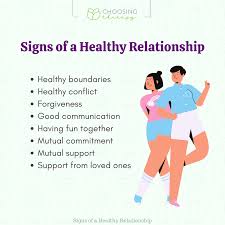
Signs of Healthy Conflict
- Respectful Disagreement: You can disagree without being mean.
- Open Communication: You can talk about the problem.
- Focus on the Issue: You argue about the problem, not the person.
- Willingness to Compromise: You look for solutions together.
- Quick Resolution: The argument doesn’t drag on forever.
- Learning Opportunity: You learn more about each other.
Think about a team working on a project. They might have different ideas about the best way to do things. One person might want to move faster.
Another might want to be more careful. These are different approaches. They can lead to a disagreement.
But if they talk it through, they might combine ideas. They might create a plan that’s both fast and thorough. That’s healthy conflict in action.
The key is how you handle it. Are you using conflict resolution strategies? Or are you just letting it get out of hand?
Healthy conflict can actually make relationships stronger. It builds trust. It shows you can overcome challenges together.
It’s like working out a muscle. The more you use it in a healthy way, the stronger it gets.
When to Seek Help
Most of the time, you can sort out disagreements on your own. Using good listening and communication skills is usually enough. But sometimes, problems become too big.
They get stuck. Or they start to really hurt the relationship. That’s when it’s okay to ask for help.
There’s no shame in it. It shows you are serious about fixing things.
If arguments are happening all the time, that’s a red flag. If they’re always about the same things, and never get resolved, that’s a sign. If the fights involve yelling, name-calling, or threats, you definitely need help.
These are not healthy ways to handle disagreements. They can be very damaging.
Who can you ask? If it’s a family problem, a family therapist can help. They are trained to guide families through tough times.
For couples, marriage counseling is an option. If it’s a work issue, your HR department can offer guidance. Or a supervisor.
Sometimes, a trusted friend or mentor can offer advice. But be careful here. You want someone who is neutral.
And who won’t just take your side.
When to Get Outside Help
- Constant Arguing: Fights happen very often.
- No Resolution: Problems never get solved.
- Emotional Abuse: Yelling, insults, threats.
- Physical Threats: Feeling unsafe.
- Relationship Breakdown: The relationship is severely damaged.
- Feeling Hopeless: You see no way out.
I remember a friend who was having serious trouble with their partner. They were constantly fighting. Nothing they said seemed to help.
They were both miserable. Finally, they decided to see a counselor together. It was hard at first.
But the counselor helped them understand each other. They learned new ways to talk. It took time.
But it made a huge difference. Their relationship is much stronger now because they sought help. It wasn’t a sign of failure.
It was a sign of strength.
Don’t wait until things are completely broken. If you feel like you’re stuck in a cycle of conflict, think about getting help. A professional can offer new tools.
They can provide a safe space to talk. They can guide you toward a better way of relating to each other. It’s an investment in your relationships.
And in your own peace of mind.
Putting It All Together: Your Toolkit
So, we’ve talked a lot about how to handle disagreements. It can seem like a lot. But break it down.
Think of it like building a toolbox. You add tools as you learn them. The more tools you have, the more problems you can fix.
Your toolbox starts with empathy. Trying to understand how the other person feels. Even if you don’t agree.
Then add active listening. Really hearing what they say. And showing them you hear them.
Next, fill it with clear communication. Use “I” statements. Be specific.
Pick a good time to talk.
Then, add your solution strategies. Like compromise. Or collaboration.
Remember, the goal isn’t to win. It’s to find a way forward that works for everyone. And know when to ask for help.
That’s a vital tool too.
Your Conflict Resolution Checklist
Before You Talk:
- Calm down first.
- Think about what you need.
- Think about what they might need.
During the Talk:
- Listen more than you speak.
- Use “I” statements.
- Be specific.
- Stay respectful.
- Look for common ground.
Finding a Solution:
- Be open to compromise.
- Brainstorm together if possible.
- Agree on a plan.
After the Talk:
- Follow through on your agreement.
- Check in later to see how things are going.
These skills take practice. You won’t be perfect overnight. There will be times you slip up.
Times you get frustrated. That’s okay. The important thing is to keep trying.
To learn from each situation. Every disagreement is a chance to get better at resolving conflict. It’s a chance to build stronger connections.
Remember my remote control war? We learned from it. We talked about how we could have handled it better.
We agreed to check in with each other if we were tired or stressed. We made a plan for who picks the movie on movie nights. It wasn’t a magic fix.
But it was a step. A step toward better understanding. And a more peaceful home.
You can do this too.
Frequently Asked Questions about Conflict Resolution
What is the first step in resolving a conflict?
The very first step is to try and calm down. It’s hard to think clearly when you are upset. Once you are calmer, try to understand your own feelings and what you want.
Then, it’s important to listen to the other person.
How can I avoid conflict altogether?
It’s not really possible or even healthy to avoid all conflict. Disagreements are a normal part of life. The goal isn’t to never argue.
It’s to learn how to handle arguments in a way that is respectful and productive. It’s about building better relationships, not avoiding people.
What’s the difference between compromise and collaboration?
A compromise is when each person gives up a little bit to meet in the middle. A collaboration is when you work together to find a new solution that meets everyone’s needs fully. Collaboration is often a stronger outcome.
How do I know if I’m listening actively?
Active listening means you are fully focused on the speaker. You show them you are listening by nodding, making eye contact, and using small verbal cues. You also try to understand their feelings and summarize what they said to make sure you got it right.
When should I consider mediation?
Mediation is helpful when you and the other person are stuck. You can’t seem to find a solution on your own. Or when emotions are very high.
A neutral mediator can help guide the conversation.
Can conflict resolution skills help my work life too?
Absolutely! Conflict resolution skills are very important at work. They help you get along with colleagues, manage disagreements with your boss, and work better on team projects.
Good communication and problem-solving are key in any job.
Final Thoughts on Handling Disagreements
Dealing with disagreements is a skill. Like learning to ride a bike. It takes practice.
And it’s okay to wobble. The key is to keep trying. Use your listening skills.
Speak with respect. Look for solutions together. These strategies can help.
They can make your relationships stronger. And your life more peaceful. You’ve got this.