Healthy Relationship Habits
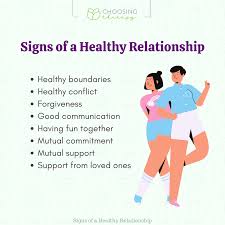
Healthy relationship habits are the small, consistent actions couples take to build trust, foster connection, and navigate challenges. They involve open communication, mutual respect, shared goals, and mindful appreciation, creating a strong foundation for lasting love and happiness.
The Heart of a Strong Bond
What makes a relationship feel truly good? It’s more than just liking someone. It’s about feeling safe and understood.
It’s about knowing you have a partner to lean on. This feeling doesn’t just happen by magic. It’s built through daily actions.
These actions become habits. They shape how you both feel about each other and the future you share.
Think about the people you know who have amazing relationships. What do they do differently? It’s likely not one big thing.
It’s a collection of many small things. They listen well. They show they care.
They work through problems without blame. These are the signs of healthy habits at play. They are the unseen threads weaving a strong tapestry of love.
Why Habits Matter in Relationships
Habits are powerful. They shape our lives without us always realizing it. In relationships, they are the bedrock.
They create a sense of predictability and security. When you know your partner will listen when you talk, it feels good. When you know they will support your dreams, you feel stronger.
These aren’t grand gestures. They are reliable actions.
If habits are unhealthy, they can chip away at trust. Constant criticism, for example, wears down a person. If someone always forgets important dates, it can feel like they don’t care.
These negative patterns are also habits. That’s why understanding good habits is so important. We can consciously build the ones that help us grow together.
My Own Wake-Up Call with Habits
I remember a time when my partner and I were struggling. We were arguing more. We felt disconnected.
I couldn’t pinpoint one huge issue. Everything felt small and annoying. One evening, I was feeling particularly down after a silly disagreement.
I sat by myself and just thought. What were we actually doing every day? I realized we had fallen into some bad habits.
We stopped saying “good morning” and “good night” with real meaning. We spent evenings scrolling on our phones, not talking. When one of us was upset, the other often got defensive right away.
It felt like a slow drift apart. The air in our home felt heavy. It was a hard realization, but it was the start of something better.
I knew we had to change our daily routines.
The Foundation: Communication Habits
Communication is often called the most important part of a relationship. But what does that really mean in terms of habits? It means more than just talking.
It’s about how you talk and how you listen.
One key habit is active listening. This means when your partner speaks, you are fully present. You make eye contact.
You don’t interrupt to plan your reply. You try to understand their feelings. You might nod or say “I see.” This shows you are engaged.
It makes your partner feel heard and valued.
Another habit is speaking with kindness. Even when you disagree, your words can be gentle. Instead of saying, “You always do this wrong,” try “I feel worried when this happens.” This focuses on your feelings, not blame.
It opens the door for understanding.
Regular check-ins are also vital. This doesn’t have to be a formal meeting. It could be a few minutes each day to ask, “How was your day?” or “Is there anything on your mind?” These small moments prevent issues from growing larger.
They keep you connected.
Good Communication Habits Checklist
Listen More Than You Speak: Focus on understanding, not just responding.
Use “I” Statements: Express your feelings without blaming.
Choose the Right Time: Discuss tough topics when you’re both calm.
Ask Clarifying Questions: Make sure you understand what they mean.
Give Non-Verbal Cues: Nodding, smiling, and eye contact show you’re listening.
Many couples miss this. They assume their partner knows what they are thinking or feeling. But we aren’t mind readers.
Sharing your inner world is a gift. It builds intimacy. It stops small misunderstandings from becoming big rifts.
The Power of Appreciation Habits
It’s easy to take our partners for granted. We get used to them being there. We notice when things go wrong, but do we notice when things go right?
Cultivating habits of appreciation can change everything.
This means saying “thank you.” It means acknowledging the little things. Did your partner make you coffee? Say thanks.
Did they do a chore without being asked? Acknowledge it. These small thank-yous add up.
They create a positive atmosphere.
It also means expressing compliments. Tell your partner what you admire about them. “I love how you handle that stressful situation.” “You look great today.” These words are powerful.
They boost confidence and strengthen the bond.
Surprise gestures, even small ones, also fall under appreciation. It could be leaving a sweet note. It could be bringing home their favorite snack.
These show you were thinking of them. They are concrete ways to say “I care.”
Appreciation in Action
- Verbal Thanks: “Thank you for taking out the trash.”
- Written Notes: A sticky note on the mirror saying “Have a great day!”
- Acts of Service: Filling their car with gas.
- Thoughtful Gestures: Picking up a book they mentioned wanting.
- Public Praise: Telling a friend something nice about your partner.
When people feel appreciated, they feel motivated to give more. They feel seen and valued. This is a powerful cycle.
It fuels more positive habits and a happier relationship.
Building Trust Through Consistent Actions
Trust is a cornerstone of any healthy relationship. It’s not built in a single moment. It’s forged through consistent, reliable actions over time.
If trust is broken, it’s incredibly hard to rebuild.
One of the most important trust-building habits is honesty. This means being truthful, even when it’s difficult. It also means being transparent.
If you say you’ll be home at a certain time, be home. If you make a promise, keep it.
Reliability is another key habit. Can your partner count on you? Do you follow through on your commitments?
Being dependable shows respect for your partner and the relationship. It says, “You matter to me, and your needs are important.”
Respecting boundaries is also crucial for trust. This means understanding and honoring your partner’s limits. It means not pushing them to do things they are uncomfortable with.
It means giving them space when they need it.
When partners consistently demonstrate these behaviors, trust grows. It becomes an unspoken understanding. You know you can rely on each other.
This security is priceless.
Navigating Conflict with Healthy Habits
Conflict is inevitable in any relationship. No two people will agree on everything. The goal isn’t to avoid conflict.
It’s to handle it in a way that strengthens the bond, not weakens it. This requires specific habits.
One crucial habit is taking breaks when emotions run high. If you feel yourself getting too angry or upset, it’s okay to say, “I need a moment to calm down. Can we talk about this in 20 minutes?” This prevents saying things you regret.
Another habit is focusing on the problem, not the person. Avoid personal attacks or name-calling. Instead, describe the behavior that bothers you and how it affects you.
“When the dishes aren’t done, I feel overwhelmed by the mess.” This is much more productive than “You’re so lazy!”
Seeking to understand your partner’s perspective is also vital. Even if you don’t agree, try to see where they are coming from. Ask questions like, “What makes you feel that way?” or “Can you tell me more about your concern?”
Finally, the habit of apologizing sincerely and forgiving is essential. When you make a mistake, own it. Say “I’m sorry” and mean it.
And when your partner apologizes, be open to forgiving them. Holding onto grudges poisons a relationship.
Conflict Resolution Toolkit
- Cool-Down Period: Step away when heated.
- Problem-Focused Talk: Discuss actions, not character.
- Seek Understanding: Ask questions to grasp their viewpoint.
- Compromise: Find solutions that work for both.
- Active Forgiveness: Let go of past hurts.
Learning to fight fair is a skill. It takes practice. But the rewards are immense.
It means you can face challenges together and come out stronger on the other side.
Shared Goals and Dreams: Habitual Alignment
Long-term happiness in a relationship often comes from having a shared vision for the future. This isn’t about dictating every step. It’s about aligning on the big picture.
This alignment is best built through consistent habits.
One habit is discussing your dreams and goals regularly. What do you want for your careers? Your finances?
Your family life? What do you want to achieve together?
Making time to plan together is also important. This could be planning a vacation. It could be setting a budget.
It could be deciding on future home renovations. These planning sessions reinforce that you are a team moving in the same direction.
Celebrating each other’s individual goals is also a key habit. Your partner’s dreams are important, even if they are separate from yours. Showing support and enthusiasm for their personal pursuits shows you are invested in their happiness.
When couples have shared goals, they feel a deeper sense of purpose. They have something bigger to work towards. This shared purpose is a powerful glue.
Quality Time: Making it a Habit, Not a Chore
In our busy lives, finding quality time can feel like a challenge. But making it a habit is essential for maintaining closeness. It’s about focused connection, not just being in the same room.
Schedule it if you have to. It sounds unromantic, but if it doesn’t get scheduled, it often doesn’t happen. This could be a weekly date night.
It could be a 15-minute conversation before bed. The key is consistency.
During this time, be present. Put away distractions. Turn off the TV.
Put down your phones. Give your partner your full attention. This is where active listening and genuine connection happen.
Explore new activities together. Trying new things keeps the relationship exciting. It creates shared memories.
It could be a new restaurant, a hiking trail, or a dance class.
Even small, everyday moments can be quality time. Cooking dinner together. Going for a walk.
Playing a board game. These are chances to connect and talk.
Quality Time Ideas
- Weekly Date Night: A dedicated evening for just the two of you.
- Morning Coffee Chat: Discuss plans or dreams before the day starts.
- Shared Hobbies: Pursue an interest together, like gardening or painting.
- Tech-Free Evenings: Designate times with no phones or screens.
- Weekend Adventures: Plan a day trip or explore your local area.
Quality time is like watering your plants. You need to do it regularly for them to stay healthy and vibrant. It nurtures the emotional intimacy in your relationship.
Personal Growth Habits: Supporting Each Other
A healthy relationship doesn’t mean two people become one identical entity. It means two individuals who support each other’s growth. This mutual support is a vital habit.
This involves encouraging your partner’s personal development. If they want to learn a new skill, take a class, or pursue a passion project, cheer them on. Offer help and encouragement.
It also means respecting each other’s need for space and individuality. Everyone needs time for themselves. Supporting this need shows you value their well-being as a person, not just as a partner.
Celebrate each other’s successes, big or small. When your partner achieves something, be their biggest fan. This amplifies their joy and strengthens your bond.
When partners grow together, the relationship stays dynamic and interesting. It prevents stagnation. It shows a deep commitment to each other’s happiness and fulfillment.
The Habit of Physical Affection
Physical touch is a powerful way to communicate love and connection. For many couples, this is a crucial habit. It’s not always about grand romantic gestures.
Often, it’s about small, everyday touches.
This could be holding hands while walking. It could be a hug when you greet each other. It could be a gentle touch on the arm during a conversation.
These small acts release oxytocin, the “bonding hormone.”
Intimacy is also a key part of physical connection. Openly discussing your needs and desires around intimacy is vital. Making time for physical closeness, whatever that looks like for your relationship, is important.
Pay attention to your partner’s preferences. Some people love lots of cuddles. Others prefer less frequent but more intense physical connection.
Understanding and respecting these differences is key.
The habit of showing physical affection reinforces love and commitment. It’s a non-verbal language that speaks volumes.
Mindfulness and Presence: Being Where You Are
In today’s world, we are constantly bombarded with distractions. Our minds often wander to the past or the future. Practicing mindfulness, both individually and as a couple, can bring you back to the present moment.
This presence is a powerful habit.
Being mindful means paying attention to the here and now. When you are with your partner, try to be fully present. Notice their expressions.
Listen to their tone of voice. Be aware of the shared space.
This can involve simple practices. Taking a few deep breaths together before a conversation. Going for a mindful walk, noticing the sights and sounds.
Or simply sharing a quiet moment of presence without needing to fill it with talk.
Mindfulness helps reduce stress and anxiety. It allows you to engage with your partner more deeply. It prevents you from living life on autopilot.
It helps you savor the good moments and navigate the tough ones with more calm.
The “Little Things” Add Up: Everyday Habits
We’ve talked about bigger habits like communication and conflict resolution. But the “little things” often make the biggest difference. These are the everyday micro-habits that create a positive environment.
Consider the habit of leaving things tidy. Putting away your own dishes, for instance. Or making the bed.
These small acts reduce friction and show respect for your shared space.
Another is remembering small details about your partner. Their favorite kind of tea. A story they told you.
Mentioning these shows you pay attention and care.
Being punctual for dates or appointments is also a sign of respect. It shows you value your partner’s time.
Even small gestures of consideration, like holding the door or offering the first bite of a treat, build goodwill. They are like small deposits into your relationship’s emotional bank account.
Daily Habits for Connection
Morning/Evening Check-in: A brief chat about your day.
Tidy-Up Routine: Spending 5 minutes tidying shared spaces.
Remember a Detail: Bring up something your partner told you.
Offer a Simple Comfort: “Can I get you anything?”
Express Gratitude: A quick “Thanks for everything you do.”
These seemingly minor habits create a comfortable and loving atmosphere. They demonstrate ongoing care and consideration. They prevent small annoyances from building up into resentment.
When Habits Become Unhealthy
It’s important to recognize that habits can go both ways. Unhealthy habits can erode a relationship just as easily as healthy ones can build it up.
One common unhealthy habit is constant criticism. Always pointing out flaws or mistakes can be deeply damaging. It creates an environment of fear and shame.
Defensiveness is another. When any feedback is met with excuses or counter-attacks, it shuts down communication. It makes problem-solving impossible.
Stonewalling is when one partner withdraws completely during conflict. They might give the silent treatment or refuse to engage. This leaves the other partner feeling alone and unheard.
Contempt is perhaps the most destructive. This involves eye-rolling, sarcasm, or dismissive comments. It communicates disrespect and superiority.
Recognizing these patterns is the first step to changing them. If you notice these habits in your relationship, it’s time to seek healthier alternatives.
What This Means For You and Your Partner
Understanding these habits is not about perfection. It’s about progress. No one has a perfect relationship.
All couples face challenges. The difference lies in how they handle them.
When your relationship is filled with healthy habits, you will likely feel more secure. You’ll feel more understood and supported. Conflicts will feel like opportunities to grow, not threats to the relationship.
If you are just starting out, building these habits early is a wonderful gift to your future selves. If you’ve been together for a while, it’s never too late to introduce new, positive habits.
Start small. Pick one habit to focus on. Maybe it’s saying “thank you” more often.
Maybe it’s scheduling a short daily check-in. Small changes, done consistently, lead to big results.
Consider discussing these habits with your partner. Talk about what works well now and what you’d like to improve together. Making it a team effort is key.
Quick Tips for Cultivating Healthy Habits
Here are some simple ways to start building better habits in your relationship:
- Be Intentional: Decide which habit you want to focus on.
- Start Small: Don’t try to change everything at once.
- Be Patient: Habits take time to form.
- Be Kind to Yourself and Your Partner: There will be slip-ups.
- Celebrate Successes: Acknowledge when you do well.
- Communicate About It: Talk with your partner about your efforts.
These are not complex strategies. They are simple, actionable steps that can create profound change over time.
Frequently Asked Questions About Relationship Habits
How many healthy habits should we aim for at once?
It’s best to start with one or two habits at a time. Trying to implement too many changes at once can feel overwhelming. Once those habits feel natural, you can introduce more.
What if my partner doesn’t want to work on habits?
This can be challenging. You can only control your own actions. Focus on consistently practicing healthy habits yourself. Sometimes, seeing your positive changes can inspire your partner. If it remains a significant issue, couples counseling might offer a way to discuss it together.
Are some habits more important than others?
While all healthy habits contribute to a strong relationship, communication and trust are often considered foundational. Without them, other habits are harder to maintain. However, the importance can also depend on the specific needs of your relationship.
How long does it take to form a new habit?
The time it takes to form a habit varies from person to person and depends on the habit’s complexity. For some, it might take a few weeks, while for others, it could be several months. Consistency is more important than speed.
What is the most common unhealthy relationship habit?
While it’s hard to pick just one, constant criticism, defensiveness, contempt, and stonewalling are often cited as the most damaging habits, sometimes referred to as “The Four Horsemen” by relationship researcher John Gottman.
Can healthy habits fix a relationship that’s seriously struggling?
Healthy habits are incredibly powerful and can significantly improve a struggling relationship. However, if the issues are deep-seated or involve severe problems like abuse or addiction, professional therapy is often necessary to address the core problems alongside habit building.
Putting It All Together
Building and maintaining healthy relationship habits is a continuous journey. It’s about showing up for each other, day in and day out. It’s the consistent, conscious effort that truly makes love last.
Focus on the small actions that speak volumes. Your relationship will blossom.